

Introduction to Apex Wheels and Their Role in Modern Automotive Culture
Apex Wheels has become one of the most recognized names in the global performance wheel industry, especially among driving enthusiasts who care about precision engineering rather than just appearance. The brand is strongly associated with motorsport-inspired design, lightweight construction, and vehicle-specific fitment development. In today’s aftermarket automotive world, Apex Wheels represents a balance between track-level performance and everyday usability, making them a preferred choice for drivers who want measurable improvements in handling and responsiveness.
The term “Apex wheels” generally refers to high-performance alloy wheels manufactured by Apex Wheels, a company that built its reputation by focusing on engineering-first development rather than mass-market styling trends. These wheels are widely used in tuning communities across Europe, Asia, and North America, particularly on platforms such as BMW, Porsche, Subaru, and Volkswagen. The popularity comes from their consistent performance benefits, including reduced unsprung weight, better steering response, and improved braking efficiency.
In modern automotive culture, Apex Wheels are often seen as a “driver’s upgrade” rather than a cosmetic modification. This reputation has been built through years of track testing, data-driven design, and strong engagement with motorsport communities. As a result, the brand has become a benchmark in the performance wheel segment, influencing how enthusiasts evaluate aftermarket wheel quality.
History and Evolution of Apex Wheels in the Performance Industry
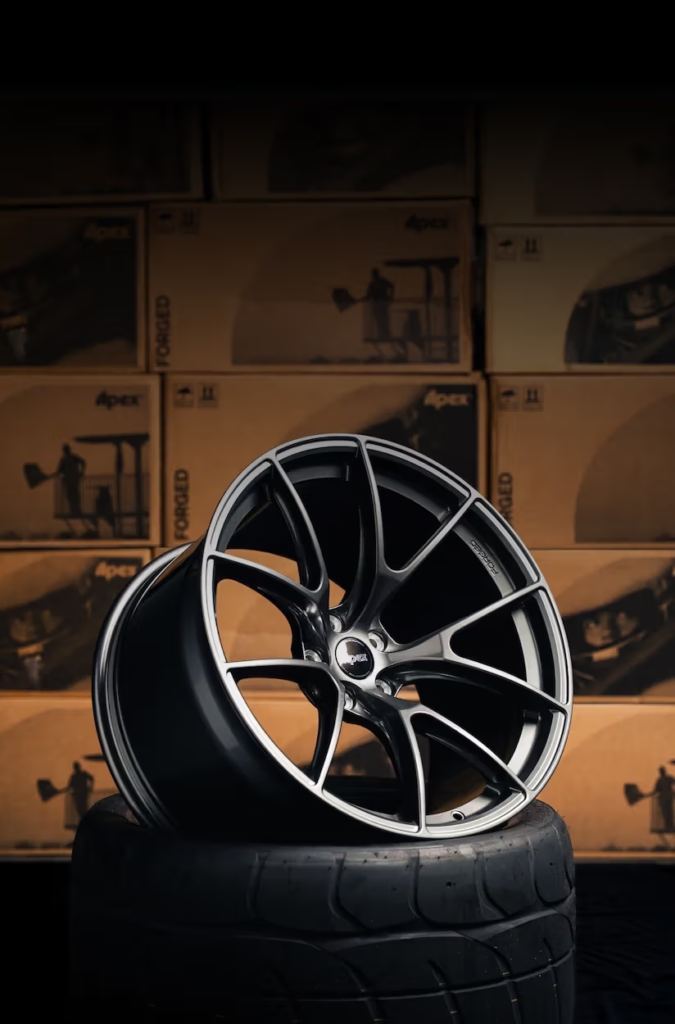
Apex Wheels was founded in 2007 in California with a clear mission to create lightweight, high-strength wheels specifically designed for performance driving. At the time, the aftermarket wheel industry was heavily divided between expensive forged wheels and low-quality cast alternatives. Apex entered the market to bridge this gap by offering engineering-driven products that were both accessible and track-capable, without compromising safety or performance.
In its early years, the company focused heavily on BMW applications, especially chassis like the E46, E90, and F30. This specialization helped Apex establish credibility in enthusiast communities because BMW owners are known for their strong motorsport culture and attention to handling dynamics. Over time, the brand expanded into other performance platforms, gaining recognition across multiple automotive segments.
As the company evolved, it also developed a reputation for transparency and education. Unlike many wheel manufacturers, Apex provided detailed fitment guides, technical explanations, and real-world testing data. This approach helped the brand build trust and authority in the automotive industry, positioning it as more than just a wheel manufacturer but also an engineering-focused knowledge source.
Engineering Principles and Manufacturing Process Behind Apex Wheels
Apex Wheels are engineered using advanced materials science and manufacturing techniques designed to optimize strength-to-weight ratio. The most commonly used material is aerospace-grade aluminum alloy, typically 6061-T6 in forged applications. This material is known for its excellent structural integrity and resistance to deformation under high stress, making it ideal for performance driving conditions.
The manufacturing process depends on the wheel type, but all Apex products follow strict quality control standards. Flow-formed wheels are created using a hybrid process that combines casting with high-pressure roller forming. This technique strengthens the wheel barrel, improves grain structure, and reduces overall weight compared to traditional cast wheels. The result is a product that performs closer to forged wheels while remaining more affordable.
Forged Apex wheels undergo an even more advanced process where a solid aluminum billet is compressed under extreme pressure. This aligns the internal grain structure of the metal, significantly increasing strength while allowing the wheel to be made thinner and lighter. This manufacturing method is commonly used in motorsport applications where durability and performance under extreme loads are essential.
Types of Apex Wheels and Their Performance Characteristics
Apex Wheels produces multiple categories of wheels, each designed for different levels of performance demand. Flow-formed wheels are among the most popular because they offer a strong balance between affordability, durability, and weight reduction. These wheels are widely used for daily driving and occasional track use, making them a versatile option for enthusiasts who want performance without extreme cost.
Forged wheels represent the highest tier of Apex engineering. These wheels are significantly lighter and stronger than cast alternatives, making them ideal for competitive motorsport environments. Drivers who participate in track racing, time attacks, or high-performance driving events often choose forged Apex wheels because of their ability to withstand high heat, lateral forces, and aggressive driving conditions.
Standard cast wheels are also part of the Apex lineup, designed primarily for styling upgrades and light performance improvement. While not as strong or lightweight as forged or flow-formed options, they still maintain better quality control and structural integrity than many generic aftermarket wheels. This makes them suitable for drivers who want aesthetic enhancement with moderate performance benefits.
Motorsport-Inspired Design Philosophy and Aesthetic Engineering
The design philosophy behind Apex Wheels is deeply rooted in motorsport engineering principles rather than visual trends. Every spoke design, barrel shape, and offset configuration is developed with functional performance in mind. This includes optimizing airflow for brake cooling, reducing weight in non-critical areas, and maintaining structural rigidity under stress.
A key element of Apex design is brake clearance optimization. Many performance vehicles use large brake calipers and rotors, especially in track applications. Apex Wheels are designed with precise spoke geometry to ensure compatibility with performance braking systems, reducing the need for spacers or modifications. This engineering-first approach enhances both safety and usability.
Another important aspect is concavity and stance balance. Apex carefully engineers wheel profiles to match specific vehicle platforms, ensuring proper offset and fitment. This allows drivers to achieve a performance-oriented stance without compromising suspension geometry or tire wear patterns. The result is a wheel that looks aggressive but remains functionally correct for performance driving.
Vehicle Fitment Engineering and Precision Compatibility Standards
One of the strongest advantages of Apex Wheels is its advanced fitment engineering system. The company invests heavily in vehicle-specific research to ensure that each wheel design is compatible with factory suspension setups and aftermarket modifications. This reduces the guesswork for customers and helps prevent common issues like rubbing, clearance problems, or incorrect offset selection.
Fitment specifications include bolt patterns, center bore dimensions, and offset calculations tailored for specific vehicles. Common patterns include 5×114.3, 5×112, and 5×120, which cover a wide range of Japanese, European, and American performance cars. These precise measurements are critical for maintaining proper wheel alignment and ensuring safe load distribution.
Apex also provides detailed fitment data that accounts for tire sizing, suspension drop levels, and brake system compatibility. This level of detail is especially important for performance enthusiasts who modify their vehicles for track use or aggressive street driving. By offering engineered fitment solutions, Apex reduces risk and improves overall driving confidence.
Performance Benefits of Apex Wheels in Real Driving Conditions
One of the most significant advantages of Apex Wheels is the reduction of unsprung mass. Unsprung weight refers to components not supported by the vehicle’s suspension, including wheels, tires, and brakes. Reducing this weight improves how quickly the suspension responds to road irregularities, leading to better grip and stability during cornering.
Lighter wheels also improve acceleration and braking performance. Because the engine does not need to rotate heavy wheel assemblies, power delivery becomes more efficient. This results in faster throttle response and shorter braking distances. In performance driving environments, even small reductions in wheel weight can produce noticeable improvements in lap times and vehicle control.
Another important benefit is improved steering feedback. Apex Wheels enhance the driver’s connection to the road by reducing rotational inertia, allowing the steering system to react more directly. This creates a more precise and engaging driving experience, which is highly valued among enthusiasts and professional drivers alike.
Real-World Applications in Street Driving and Motorsport Environments
Apex Wheels are widely used across multiple driving environments, from daily commuting to professional motorsport events. Many enthusiasts install them on vehicles such as BMW M series, Subaru WRX/STI, Porsche Cayman, and Volkswagen Golf GTI. These applications demonstrate the versatility of Apex Wheels across different performance platforms.
In track environments, Apex Wheels are valued for their durability and ability to handle repeated heat cycles. High-speed cornering, heavy braking, and continuous stress can cause inferior wheels to fail or deform. Apex Wheels, particularly forged and flow-formed variants, are designed to withstand these extreme conditions while maintaining structural integrity.
On the street, Apex Wheels provide both aesthetic and functional improvements. Drivers often report better ride quality, improved fuel efficiency due to reduced weight, and a more responsive driving feel. This combination of benefits makes them a popular choice for enthusiasts who want a dual-purpose upgrade that works in both daily and performance scenarios.
Durability, Maintenance, and Long-Term Reliability of Apex Wheels
Apex Wheels are engineered for long-term durability, but like all performance components, they require proper care and maintenance. Regular cleaning helps prevent brake dust buildup, which can affect both appearance and surface integrity over time. Using appropriate wheel cleaners and avoiding harsh chemicals is important for preserving the finish.
Durability also depends on driving style and road conditions. While forged wheels offer exceptional strength, even flow-formed wheels perform reliably when used within their intended limits. Damage typically occurs only under extreme impacts, such as hitting large potholes at high speed or improper installation practices.
Long-term reliability is further supported by Apex’s quality control systems and warranty policies. The brand conducts extensive testing, including impact resistance and fatigue analysis, to ensure consistent performance. This engineering validation helps reinforce consumer trust and positions Apex Wheels as a reliable investment for performance enthusiasts.
Buying Considerations, Market Position, and Common User Expectations
When purchasing Apex Wheels, buyers typically consider factors such as vehicle compatibility, driving style, and performance goals. Enthusiasts focused on track performance often choose forged models, while daily drivers may prefer flow-formed options for their balance of cost and capability. Understanding these differences is essential for making the right choice.
In the global aftermarket industry, Apex Wheels occupies a strong mid-to-premium position. It is not the cheapest option on the market, but it offers significantly better engineering quality than budget brands. At the same time, it is more accessible than ultra-high-end motorsport wheel manufacturers, making it a popular “best value performance” option.
Customer expectations for Apex Wheels are generally high due to the brand’s reputation. Users expect precise fitment, noticeable performance improvement, and long-term durability. In most cases, these expectations are met when the wheels are used correctly and installed according to specifications, reinforcing the brand’s strong market reputation.
Future Innovations and the Evolving Role of Apex Wheels in Performance Engineering
The future of Apex Wheels is closely tied to the rapid evolution of automotive performance technology. As modern vehicles continue to advance with electric drivetrains, adaptive suspension systems, and higher torque outputs, wheel engineering must also adapt to meet new performance demands. Apex Wheels is expected to continue refining its lightweight flow-formed and forged technologies to support these next-generation vehicles while maintaining structural integrity under increasing power loads.
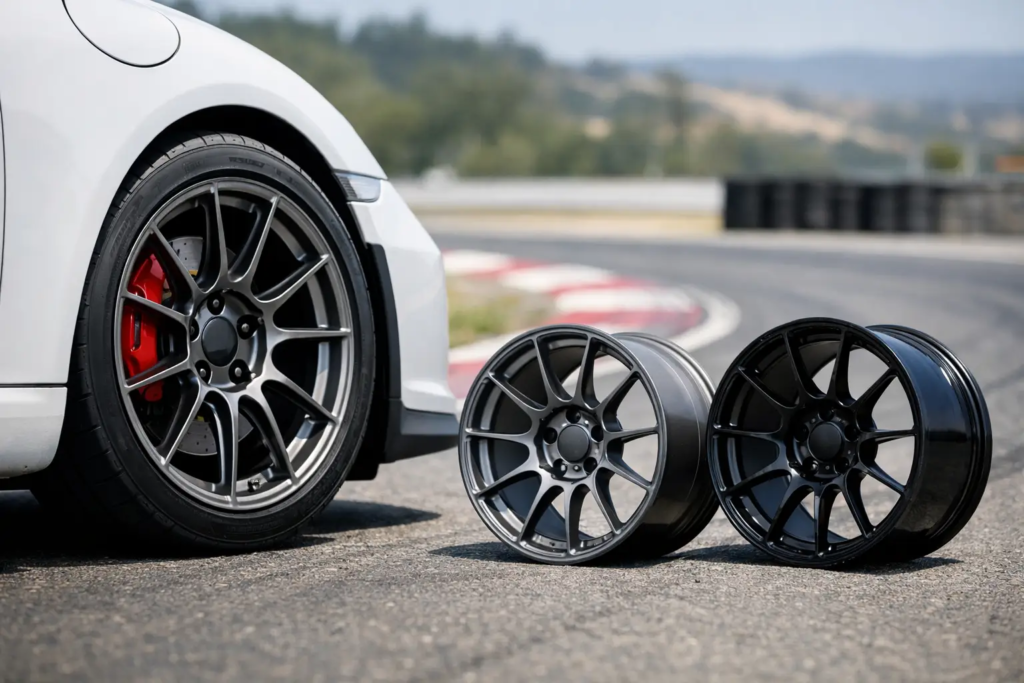
Another major direction in the future of Apex Wheels is material optimization and weight reduction without compromising durability. With growing interest in track-focused street cars and electric performance vehicles, reducing unsprung weight has become even more important. Lighter wheels help improve range in EVs and enhance responsiveness in both electric and internal combustion platforms, making Apex’s engineering approach increasingly relevant in the evolving automotive landscape.
As automotive customization trends continue to grow worldwide, Apex Wheels is also likely to expand its compatibility across more global platforms. This includes broader fitment options, improved brake clearance designs, and even more data-driven development processes. The brand’s commitment to research-based engineering ensures that it remains competitive in an industry where precision and performance are becoming more important than visual styling alone.
Conclusion: Why Apex Wheels Remain a Leading Performance Choice
Apex Wheels has established itself as a trusted name in the performance automotive industry by combining engineering precision, motorsport inspiration, and real-world usability. The brand’s focus on lightweight construction and fitment accuracy has made it a preferred choice for drivers who prioritize performance over appearance alone.
Across street, track, and enthusiast applications, Apex Wheels consistently deliver improvements in handling, responsiveness, and driving feel. Their ability to bridge the gap between affordability and high-level engineering ensures their continued relevance in a competitive aftermarket industry.
Ultimately, Apex Wheels represent more than just an upgrade; they reflect a performance philosophy centered on precision, balance, and driving engagement. This commitment to quality and innovation is what keeps the brand at the forefront of modern wheel engineering.
Frequently Asked Questions (FAQs)
What are Apex Wheels?
Apex Wheels are high-performance aftermarket wheels designed for enthusiasts who want improved handling, reduced weight, and motorsport-inspired engineering. The brand is known for producing flow-formed and forged wheels that prioritize strength, durability, and precise vehicle fitment.
Are Apex Wheels good for daily driving?
Yes, Apex Wheels are suitable for daily driving. Many drivers use them on their everyday vehicles because they offer a combination of lightweight construction, durability, and attractive design while maintaining excellent road manners and reliability.
What is the difference between Apex forged wheels and flow-formed wheels?
Forged Apex wheels are manufactured from a solid aluminum billet under extreme pressure, making them lighter and stronger than most alternatives. Flow-formed wheels use a specialized casting and rolling process that improves strength while keeping costs lower, making them a popular option for both street and occasional track use.
Do Apex Wheels improve vehicle performance?
Yes, Apex Wheels can improve performance by reducing unsprung weight and rotational mass. This often results in better acceleration, sharper steering response, improved braking performance, and enhanced handling characteristics.
Which vehicles are compatible with Apex Wheels?
Apex Wheels are available for many popular performance vehicles, including BMW, Porsche, Subaru, Volkswagen, Toyota, Honda, and other enthusiast-focused platforms. Compatibility depends on wheel size, bolt pattern, offset, and brake clearance requirements.