
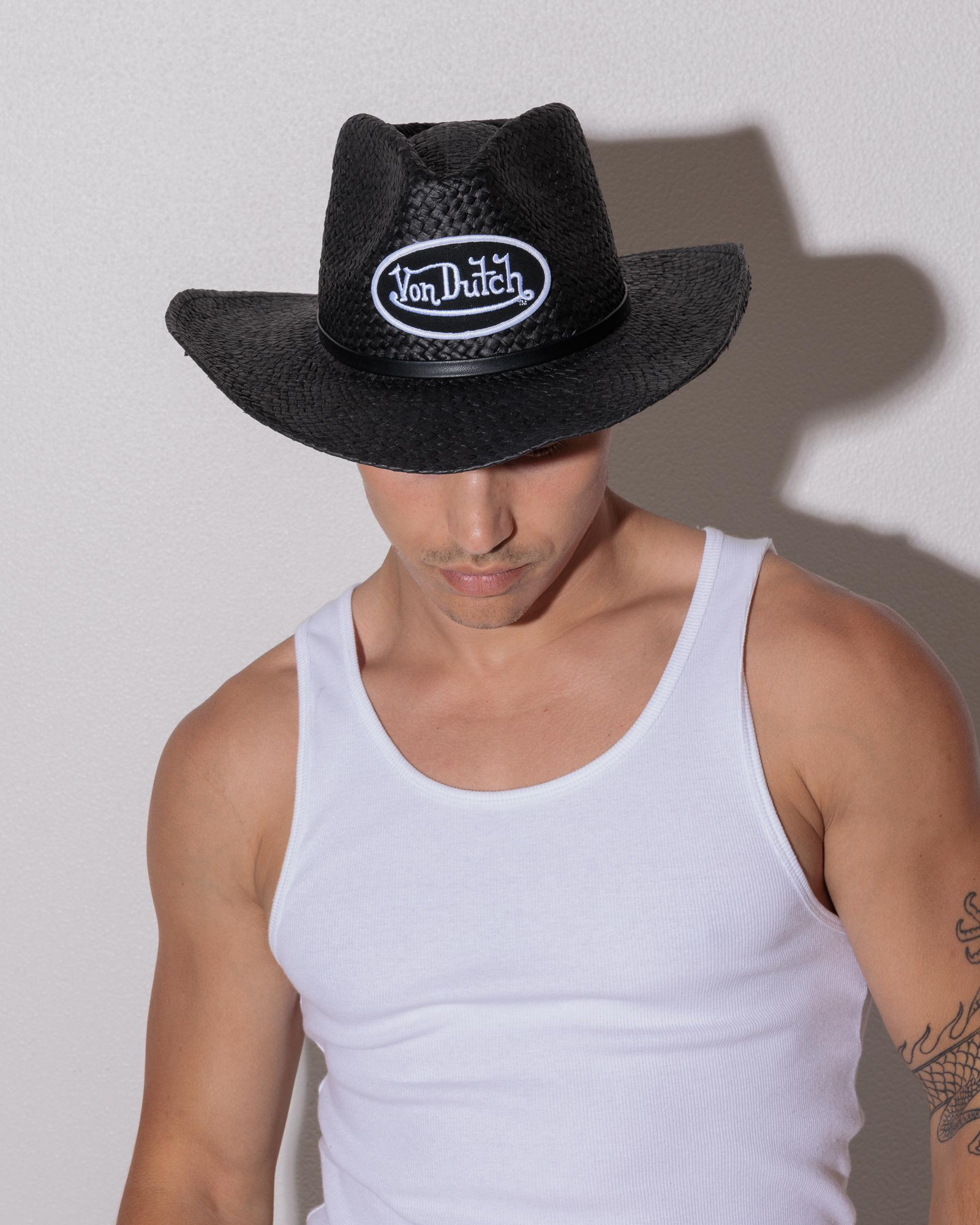
The Origins of Von Dutch and Kenneth Howard’s Artistic Legacy
Von Dutch is a fashion brand rooted in the legacy of Kenneth Howard, an American artist and pinstriper who became a major figure in the Kustom Kulture movement. His nickname “Von Dutch” came from his German-Dutch heritage and later became one of the most recognizable names in modern streetwear history. Howard’s work in the 1950s and 1960s focused on custom hot rods, motorcycles, and detailed pinstriping designs that influenced generations of automotive and art enthusiasts.
Kenneth Howard was known for his rebellious personality and unmatched technical skill in pinstriping, which is the art of painting thin decorative lines on vehicles. His work was not just decoration but a form of cultural expression tied to American post-war youth identity. This creative legacy made his name valuable long after his death in 1992.
After his passing, Howard’s name and artistic identity were licensed and transformed into a commercial brand. This shift marked the beginning of Von Dutch as a fashion label rather than just an artistic identity, blending authentic counterculture roots with commercial streetwear ambitions.
The Transformation from Art Identity to Fashion Brand
The Von Dutch fashion brand officially began taking shape in the late 1990s when the rights to Kenneth Howard’s name were sold and repurposed for apparel. Multiple entrepreneurs saw commercial potential in the strong visual identity of his artwork and rebranded it into a lifestyle fashion label focused on Americana-inspired streetwear aesthetics.
The early direction of the brand emphasized rebellious design language, combining garage culture, mechanic-inspired visuals, and bold graphics. This helped Von Dutch stand out in a crowded fashion market where minimalism had not yet fully taken over youth culture.
By the early 2000s, the brand had evolved into a full clothing line producing hats, t-shirts, jackets, and accessories. However, one product would eventually define its entire identity and global fame, pushing it into pop culture history.
The Rise of Kustom Kulture and Its Influence on Von Dutch
Von Dutch is deeply connected to the American Kustom Kulture movement, which emerged from hot rod and motorcycle customization scenes in the mid-20th century. This culture represented individuality, mechanical creativity, and rebellion against mainstream conformity, shaping a strong underground identity.
Kenneth Howard’s pinstriping art became one of the most influential visual styles within this movement. His designs were not just decorative but symbolic expressions of freedom, craftsmanship, and personal identity, which later became central to the branding philosophy of Von Dutch.
As retro aesthetics gained popularity in fashion decades later, this cultural foundation allowed Von Dutch to position itself as an authentic heritage brand rooted in American subculture rather than a purely commercial label.
The Early 2000s Explosion and Celebrity Influence
Von Dutch experienced massive global popularity in the early 2000s, becoming one of the defining fashion brands of the era. Its growth was heavily influenced by celebrity culture, which played a major role in shaping consumer trends at the time.
Celebrities such as Paris Hilton, Britney Spears, Justin Timberlake, Ashton Kutcher, and Gwen Stefani frequently wore Von Dutch apparel, especially its iconic trucker hats. These appearances turned the brand into a symbol of Hollywood lifestyle and early 2000s pop culture excess.
The visibility of the brand in paparazzi photos, music videos, and television appearances created a powerful cultural association between Von Dutch and fame. Wearing the brand became a status symbol that represented access to celebrity-driven fashion trends.
The Trucker Hat Phenomenon and Global Streetwear Impact
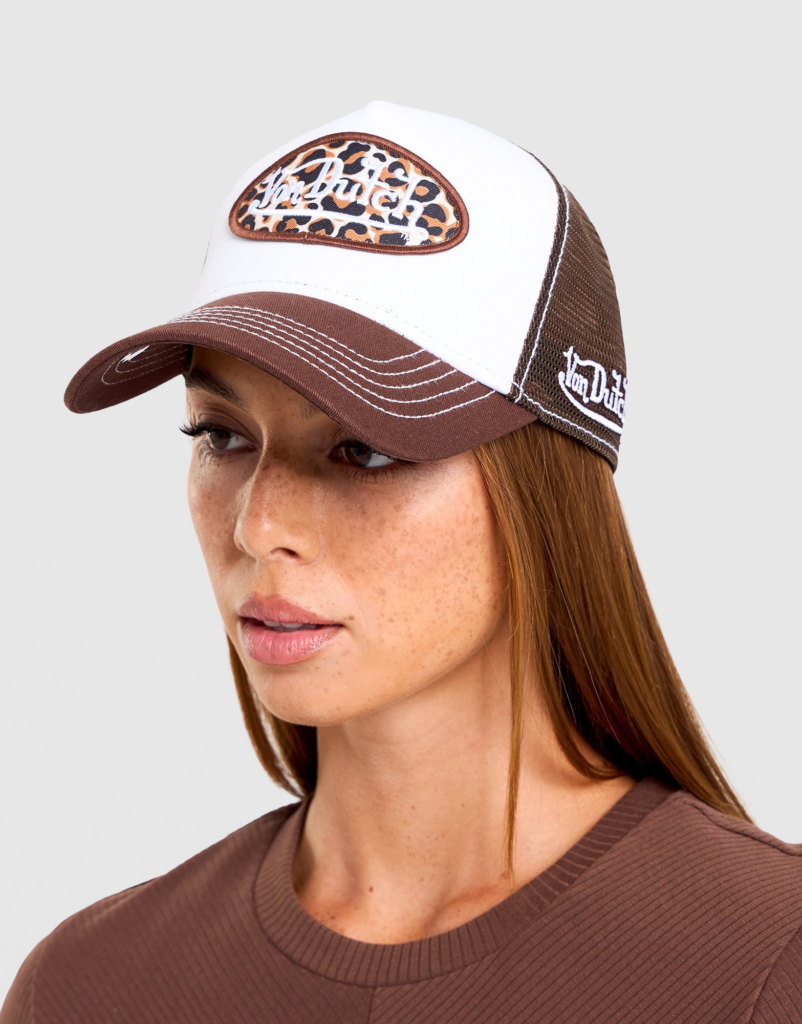
The Von Dutch trucker hat became the most recognizable product of the brand and one of the most iconic accessories of the 2000s. Originally a functional workwear item, it was transformed into a fashion statement through bold branding and celebrity endorsement.
Its mesh back, foam front, and embroidered logo created a distinctive design that stood out in both casual and high-profile settings. The hat became a visual shortcut for early 2000s culture, appearing in entertainment media, red carpet events, and everyday street style.
This phenomenon also helped establish logo-centric fashion as a dominant trend in streetwear and luxury branding. Many modern fashion movements can trace their early influence back to the global popularity of Von Dutch accessories.
Overexposure, Controversies, and Internal Brand Struggles
As demand for Von Dutch skyrocketed, the brand expanded aggressively, leading to overexposure in global markets. The rapid production of merchandise made the brand widely accessible, which weakened its exclusivity and premium appeal.
At the same time, counterfeit products flooded the market, further damaging the brand’s reputation and contributing to consumer confusion. The once-exclusive identity of Von Dutch began to fade as it became more common in everyday fashion.
Internally, the company also faced significant controversies and ownership disputes. Multiple stakeholders struggled over control of the brand’s direction, while media attention later revealed complicated aspects of its history, including controversies tied to Kenneth Howard’s personal legacy. These combined issues created instability that contributed to the brand’s decline.
The Decline of Von Dutch in Late 2000s Fashion Culture
By the late 2000s, Von Dutch had largely disappeared from mainstream fashion relevance. The cultural shift toward minimalism and cleaner aesthetics reduced demand for bold, logo-heavy designs that defined early 2000s style.
The trucker hat, once a symbol of celebrity culture, became associated with outdated fashion trends. As new streetwear brands emerged with fresh identities and stronger cultural narratives, Von Dutch struggled to maintain its position.
Over time, the brand transitioned from a global trendsetter to a nostalgic reference, remembered more for its cultural moment than its ongoing influence in fashion innovation.
The Modern Revival and Y2K Nostalgia Movement
In the 2020s, Von Dutch experienced a surprising revival driven by the return of Y2K fashion trends. Social media platforms such as TikTok and Instagram played a major role in reintroducing early 2000s aesthetics to younger audiences.
This new generation embraced vintage-inspired clothing, including trucker hats, low-rise jeans, and bold graphic designs. Von Dutch naturally fit into this revival due to its strong association with early 2000s pop culture identity.
Modern celebrities and influencers have also contributed to its comeback by wearing archival and reissued pieces. This renewed attention has helped reposition the brand as a nostalgic yet relevant fashion label.
Additional Paragraph for “Origins of Von Dutch and Kenneth Howard’s Artistic Legacy”
Kenneth Howard’s influence on custom culture extended far beyond pinstriping, as he was also involved in shaping the visual language of American hot rod communities. His spontaneous, freehand drawing style made his work stand out in an era where precision and mechanical design were becoming increasingly important. This balance between art and machinery helped establish a visual identity that later became central to the Von Dutch brand storytelling.
Additional Paragraph for “The Transformation from Art Identity to Fashion Brand”
When the brand transitioned into fashion, it borrowed heavily from nostalgia-driven marketing, even though Kenneth Howard himself had no direct involvement in the clothing company. This disconnect between original artistry and commercial branding created debates among fashion historians about authenticity versus commercialization, especially as the brand gained rapid mainstream attention.
Additional Paragraph for “The Rise of Kustom Kulture and Its Influence on Von Dutch”
Kustom Kulture was not only a design movement but also a lifestyle that valued handcrafted creativity over industrial uniformity. This philosophy later became an emotional selling point for Von Dutch, as consumers were drawn to the idea of wearing something connected to real artistic rebellion and underground culture rather than mass-produced fashion identity.
Additional Paragraph for “The Early 2000s Explosion and Celebrity Influence”
The early 2000s was a time when paparazzi culture and reality television heavily influenced fashion consumption. Von Dutch benefited directly from this media environment, as celebrity outfits were instantly broadcast to global audiences. This created a feedback loop where public curiosity drove demand, and demand further increased media coverage of the brand.
Additional Paragraph for “The Trucker Hat Phenomenon and Global Streetwear Impact”
The success of the trucker hat also marked a shift in how fashion trends could emerge from unexpected everyday items. What was once considered a utility accessory used by truck drivers and workers became a luxury fashion statement, showing how branding and cultural positioning can completely redefine product perception in global markets.
Additional Paragraph for “Overexposure, Controversies, and Internal Brand Struggles”
As internal conflicts intensified, creative direction became inconsistent, which weakened the brand’s long-term identity. Fashion analysts often point out that Von Dutch lacked a unified vision during its peak expansion phase, which contributed to its inability to evolve beyond a single trend-driven product category.
Additional Paragraph for “The Decline of Von Dutch in Late 2000s Fashion Culture”
Another major factor in the decline was the rapid evolution of youth culture, which moved from flashy logo-based fashion to more curated and minimalist styles. Brands that survived this transition were those that adapted their identity, while Von Dutch remained strongly tied to its early 2000s aesthetic, limiting its flexibility in a changing market.
Additional Paragraph for “The Modern Revival and Y2K Nostalgia Movement”
The revival of Von Dutch is also closely linked to the digital resale and vintage fashion economy, where old pieces gain new value on platforms like Depop and Instagram thrift markets. This secondary market has helped re-establish the brand as a collectible fashion item rather than just a retail clothing label.
Additional Paragraph for “Von Dutch Today: Legacy, Identity, and Cultural Influence”
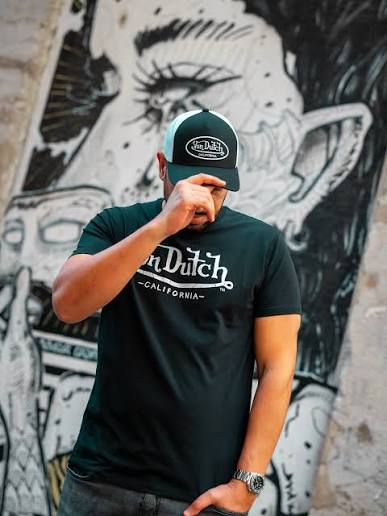
Modern fashion designers often reference Von Dutch when discussing the impact of branding on cultural memory. The brand is frequently used as an example in fashion studies to explain how identity, nostalgia, and celebrity endorsement can shape the lifecycle of a global trend.
Conclusion: The Legacy and Cultural Importance of Von Dutch
Von Dutch remains one of the most influential examples of how a cultural identity can evolve into a global fashion phenomenon. Its journey from Kenneth Howard’s artistic legacy to a worldwide streetwear sensation reflects the powerful connection between subculture and commercial fashion.
The brand’s rapid rise, dramatic decline, and modern revival highlight the cyclical nature of fashion trends. It demonstrates how celebrity influence, mass marketing, and cultural timing can elevate a brand to global fame while also making it vulnerable to overexposure.
Today, Von Dutch stands as a symbol of early 2000s pop culture, Y2K nostalgia, and the lasting impact of Kustom Kulture on modern streetwear. Its legacy continues to influence designers and consumers, proving that even faded trends can return with new meaning in a changing fashion landscape.
FAQs About Von Dutch
What is Von Dutch and why is it famous?
Von Dutch is a fashion brand inspired by the artistic legacy of Kenneth Howard, a legendary pinstriper and key figure in American Kustom Kulture. The brand became globally famous in the early 2000s, mainly due to its trucker hats and strong celebrity influence in pop culture.
Its popularity was not just about clothing but about identity. Wearing Von Dutch represented early 2000s celebrity lifestyle, rebellion, and streetwear culture combined into one trend.
Who created the Von Dutch brand?
The Von Dutch brand was created after Kenneth Howard’s death when investors and business partners licensed his nickname and artistic identity. Howard himself did not directly design or manage the fashion brand.
Instead, entrepreneurs built a clothing label around his cultural legacy, turning his name into a commercial streetwear identity that later became a global fashion phenomenon.
Why did Von Dutch trucker hats become so popular?
Von Dutch trucker hats became popular because they were heavily promoted by celebrities in the early 2000s. Public figures like Paris Hilton, Britney Spears, and Justin Timberlake were frequently seen wearing them in media and public appearances.
This celebrity exposure turned a simple trucker hat into a luxury fashion statement. The bold logo and distinctive design made it instantly recognizable and highly desirable among young consumers.
Is Von Dutch still popular today?
Von Dutch is not as dominant as it was in the early 2000s, but it has made a comeback due to Y2K fashion trends. Social media platforms and vintage fashion culture have helped reintroduce the brand to a younger audience.
Today, it exists more as a nostalgic and revived streetwear brand rather than a mainstream fashion leader, but it still holds cultural relevance in fashion circles.
Why did Von Dutch lose popularity?
Von Dutch lost popularity due to overexposure, mass production, and changing fashion trends. As the brand became widely available, it lost its exclusivity, which reduced its appeal as a status symbol.
Additionally, fashion shifted toward minimalism in the late 2000s, making bold logo-heavy designs feel outdated. Internal business conflicts and market saturation also contributed to its decline.
What is the cultural importance of Von Dutch?
Von Dutch represents one of the most important examples of early 2000s fashion culture. It shows how celebrity influence, branding, and media exposure can rapidly turn a niche product into a global trend.
The brand is also a symbol of how fashion trends rise and fall quickly in pop culture, making it a key case study in modern streetwear and branding history.