The rapid growth of artificial intelligence has transformed the way creative professionals work. Designers, marketers, content creators, social media managers, agencies, and businesses now rely on AI-powered tools to produce content faster than ever before. As the demand for visual content continues to increase, professionals need solutions that can help them organize projects, automate repetitive tasks, collaborate with teams, and maintain creative quality. This growing need has led to the development of innovative platforms such as Freepik Spaces.
Freepik Spaces is one of the most exciting additions to the AI-powered creative ecosystem. Built as part of the broader Freepik platform, it offers users a visual environment where ideas, workflows, assets, AI models, and creative processes can be managed in one place. Instead of moving between different tools for brainstorming, designing, editing, and project management, creators can bring everything together within a single workspace.
The platform represents a significant step forward in the evolution of creative workflows. Rather than treating AI as a standalone tool, Freepik Spaces integrates artificial intelligence directly into the creative process. This allows users to build complete systems for content production while maintaining flexibility and creative control. Whether someone is creating social media graphics, marketing campaigns, advertising materials, videos, product images, or digital artwork, Freepik Spaces provides an environment designed to simplify and accelerate the entire workflow.
As businesses increasingly depend on visual content to engage audiences online, platforms like Freepik Spaces are becoming more valuable. The combination of AI automation, collaboration features, workflow management, and visual organization makes it an attractive option for professionals looking to improve productivity without sacrificing creativity.
Understanding Freepik Spaces
Freepik Spaces is a visual workspace that enables users to organize and automate creative workflows using artificial intelligence. Unlike traditional design platforms that focus mainly on creating graphics, Spaces focuses on the entire creative journey. It allows users to build connected workflows that combine image generation, video creation, editing processes, prompt engineering, brainstorming, and project management into one environment.
The concept behind Freepik Spaces is simple but powerful. Creative work often involves multiple stages. A designer may begin with brainstorming, move to concept generation, refine images, edit visuals, create variations, gather feedback, and finally export assets for publication. Normally, these tasks require different tools and software platforms. Freepik Spaces brings these stages together into one visual canvas.
The platform uses a node-based structure where each step of a workflow is represented visually. Users can connect tasks together and create repeatable systems that help streamline production. This approach transforms creative projects from isolated tasks into organized processes that can be improved, expanded, and reused over time.
One of the most appealing aspects of Freepik Spaces is its accessibility. Users do not need advanced technical knowledge to start building workflows. The visual nature of the platform makes it easier to understand how different components interact, allowing both beginners and experienced professionals to take advantage of automation and AI-assisted creativity.
The Evolution of Creative Workflows
The creative industry has undergone significant changes during the last decade. In the past, designers relied primarily on desktop software and manual processes. Every project required extensive hands-on work, from concept development to final production. While this approach offered maximum control, it often required considerable time and resources.
The introduction of cloud-based tools improved collaboration and accessibility. Teams could work remotely, share files more efficiently, and communicate in real time. However, creative professionals still faced challenges related to workflow fragmentation. Projects were often scattered across multiple applications, leading to inefficiencies and communication difficulties.
Artificial intelligence introduced a new phase of transformation. AI tools began assisting with image generation, content creation, video editing, and design enhancement. These tools significantly reduced production time, but they also created new challenges. Managing multiple AI applications became complicated, and creators often struggled to maintain organized workflows.
Freepik Spaces addresses these challenges by combining workflow management with AI-powered creativity. Instead of treating AI as an isolated feature, the platform integrates it into a structured environment where every stage of production can be visualized and managed. This represents a natural evolution of modern creative workflows and reflects the growing demand for integrated creative ecosystems.
How the Infinite Canvas Changes Creative Organization
One of the most distinctive features of Freepik Spaces is its infinite canvas design. Traditional project management tools often limit users to predefined layouts, pages, or boards. While these systems can be effective for simple projects, they may become restrictive when handling large-scale creative workflows.
The infinite canvas removes these limitations by providing a workspace that can expand as needed. Users can place workflow components anywhere on the canvas, connect them visually, and create structures that reflect their specific creative processes. This flexibility makes it easier to organize complex projects involving multiple content types and production stages.
The visual layout also improves understanding. Instead of viewing workflows as disconnected tasks, users can see the entire creative journey in one place. This perspective helps identify opportunities for optimization and allows creators to understand how individual components contribute to the final result.
For teams managing multiple campaigns, the infinite canvas becomes even more valuable. Different workflows can exist within the same project environment, making it easier to coordinate activities and maintain consistency across content initiatives. The ability to zoom in on details or view the broader project structure provides a level of control that many traditional systems cannot match.
Another advantage is creative freedom. Since the workspace is not restricted by rigid layouts, users can experiment with different structures and approaches. This encourages innovation and allows teams to adapt workflows to changing requirements.
AI-Powered Creativity Inside Freepik Spaces
Artificial intelligence is at the heart of Freepik Spaces. The platform incorporates multiple AI capabilities designed to support different aspects of content creation. Users can generate images, create visual concepts, develop marketing materials, produce video content, and refine creative assets without leaving the workspace.
The integration of AI tools directly into workflows provides significant advantages. Rather than manually transferring files between applications, creators can move seamlessly from one stage to another. AI-generated outputs become part of the workflow itself, reducing friction and improving efficiency.
Image generation is one of the most popular uses of AI within Freepik Spaces. Users can create custom visuals from text prompts, explore different artistic styles, and generate multiple variations of a concept. This capability helps accelerate brainstorming and enables rapid experimentation.
Video creation and enhancement also play an important role. As video content becomes increasingly important across digital platforms, creators need efficient ways to produce engaging visual media. AI-powered workflows can help streamline production while maintaining creative quality.
The platform also supports prompt refinement and content optimization. Since the effectiveness of AI-generated outputs often depends on prompt quality, having tools that assist with prompt development can improve results significantly. This creates a more accessible experience for users who may be new to AI-assisted content creation.
Workflow Automation and Efficiency Improvements
One of the primary reasons organizations adopt creative technology is the potential for increased efficiency. Freepik Spaces delivers this benefit through workflow automation. Many creative tasks involve repetitive actions that consume valuable time and resources. By automating these activities, teams can focus more on strategy and innovation.
Automation can be applied to numerous aspects of content production. Users can create workflows that automatically generate variations of images, process files, organize assets, or perform sequential creative tasks. Once established, these workflows can be reused across multiple projects.
The impact of automation extends beyond time savings. Consistency is another major advantage. Repetitive manual tasks are prone to errors, especially when dealing with large volumes of content. Automated workflows help maintain standards and ensure that outputs remain aligned with project requirements.
For agencies and marketing departments, workflow automation can significantly improve scalability. As content demands increase, automated systems make it possible to produce larger quantities of material without proportionally increasing workload. This efficiency can provide a competitive advantage in fast-moving digital markets.
Automation also supports experimentation. Since workflows can be duplicated and modified easily, creators can test different approaches without rebuilding processes from scratch. This encourages continuous improvement and helps teams discover more effective methods of content production.
Collaboration Features for Modern Teams
Creative work rarely happens in isolation. Most projects involve collaboration among designers, marketers, writers, managers, clients, and other stakeholders. Effective communication is essential for maintaining quality and meeting deadlines. Freepik Spaces is designed to facilitate this collaboration through a shared visual environment.
When team members work within the same workspace, they gain visibility into the entire creative process. Rather than exchanging files through email or messaging platforms, collaborators can interact directly within the project environment. This reduces confusion and helps ensure everyone remains aligned with project goals.
The visual structure of workflows also improves communication. Stakeholders can understand project progress more easily when workflows are represented graphically. This transparency makes it easier to identify issues, provide feedback, and coordinate activities across departments.
Collaboration becomes particularly valuable when working with AI-generated content. Creative teams often need to evaluate multiple concepts before selecting the best option. Shared workspaces allow team members to review variations, discuss creative directions, and make informed decisions collectively.
Remote work trends have further increased the importance of collaborative platforms. As distributed teams become more common, having a centralized environment for creative production helps maintain efficiency and strengthens teamwork regardless of geographic location.
Templates and Reusable Creative Systems
Starting a complex workflow from scratch can be intimidating, especially for users who are new to visual workflow platforms. Freepik Spaces addresses this challenge through templates and reusable systems that simplify onboarding and accelerate project creation.
Templates provide pre-built workflow structures designed for common use cases. These workflows can serve as starting points for social media content, marketing campaigns, product photography, video production, and many other creative tasks. Users can customize templates according to their specific requirements while benefiting from established best practices.
Reusable workflows offer long-term value. Once a creator develops an effective process, it can be saved and applied to future projects. This reduces setup time and helps maintain consistency across recurring content initiatives.
For organizations with standardized production requirements, reusable workflows can become an important operational asset. Teams can establish approved processes and ensure that content creation follows consistent guidelines. This supports brand integrity and improves quality control.
Templates also serve an educational purpose. By examining pre-built workflows, users can learn how different components interact and gain a deeper understanding of workflow design. This makes Freepik Spaces accessible to creators with varying levels of technical expertise.
Real-World Applications Across Industries
The versatility of Freepik Spaces makes it useful across a wide range of industries. Marketing teams can use the platform to manage campaign development, generate promotional assets, and coordinate content production. The ability to automate repetitive tasks helps marketers respond quickly to changing market demands.
E-commerce businesses can benefit from workflows designed for product imagery and advertising content. AI-generated visuals, automated editing processes, and reusable templates can significantly accelerate the creation of product-focused materials.
Creative agencies often manage multiple clients simultaneously, each with unique requirements and branding standards. Freepik Spaces provides a centralized environment where agencies can organize workflows, collaborate with clients, and maintain project visibility across teams.
Social media managers can use the platform to streamline content production and maintain consistent posting schedules. Since social media success often depends on a steady flow of engaging visuals, efficient workflows become essential.
Educational institutions, startups, freelancers, and content creators can also leverage the platform to improve productivity. The flexibility of the system allows it to adapt to different creative goals and operational structures.
As digital content continues to expand across industries, platforms that simplify production processes are likely to become increasingly valuable. Freepik Spaces is positioned to support this growing demand through its combination of AI capabilities and workflow management tools.
Advantages, Limitations, and Future Potential
Freepik Spaces offers numerous advantages for modern creative professionals. Its visual workflow system improves organization, while AI integration accelerates content creation. Collaboration tools enhance teamwork, and automation reduces repetitive workloads. Together, these features create a comprehensive environment for managing creative projects.
The platform also addresses a common challenge in the AI era: tool fragmentation. Many creators use separate applications for image generation, editing, project management, and communication. Bringing these functions together within a unified workspace simplifies operations and reduces inefficiencies.
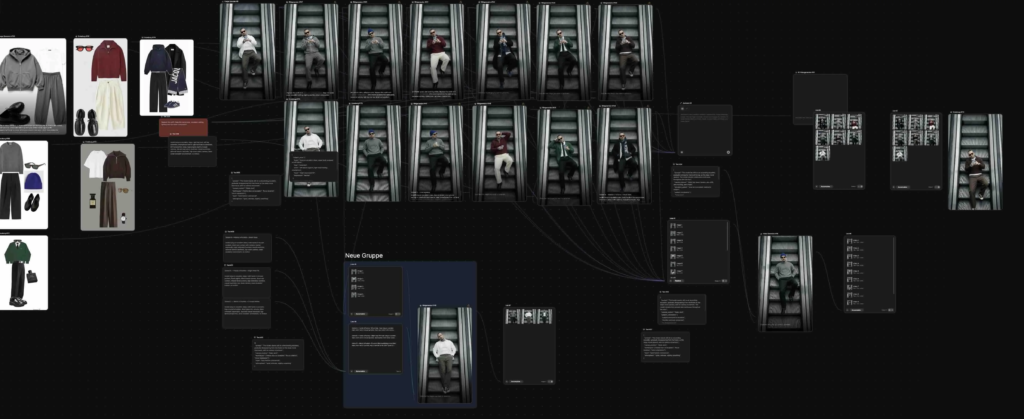
Like any emerging technology, Freepik Spaces has areas for continued improvement. Complex workflows may require a learning period for new users, and some advanced projects can become intricate as workflows expand. However, the visual nature of the platform helps reduce these challenges and makes workflow management more intuitive than traditional automation systems.
The future potential of Freepik Spaces is particularly exciting. As AI models become more sophisticated, the platform can evolve alongside them, offering new capabilities and deeper integrations. Future developments may include enhanced automation features, expanded AI tools, improved collaboration systems, and additional workflow customization options.
The broader trend toward AI-powered creative ecosystems suggests that platforms like Freepik Spaces will play an increasingly important role in content production. Organizations are seeking solutions that combine creativity, efficiency, and scalability, and integrated environments are well positioned to meet these needs.
Conclusion
Freepik Spaces represents a major advancement in the way creative professionals approach content production and workflow management. By combining artificial intelligence, visual organization, collaboration tools, workflow automation, and reusable systems within a single environment, the platform offers a modern solution for the challenges of digital creativity.
Its infinite canvas approach provides flexibility that traditional project management tools often lack, while integrated AI capabilities streamline the creation of images, videos, and other visual assets. The ability to automate repetitive tasks, collaborate in real time, and build reusable workflows makes the platform valuable for individuals and organizations alike.
As the demand for digital content continues to grow, efficient creative workflows will become increasingly important. Freepik Spaces addresses this need by transforming isolated creative tasks into connected, scalable processes. Whether used by designers, marketers, agencies, freelancers, or businesses, the platform provides a framework for faster, smarter, and more organized content creation.
The future of creativity is increasingly tied to artificial intelligence and workflow automation. Freepik Spaces demonstrates how these technologies can work together to empower creators, improve productivity, and support innovation. For anyone interested in the next generation of AI-powered creative workspaces, Freepik Spaces stands out as one of the most promising developments in the evolving digital landscape.