
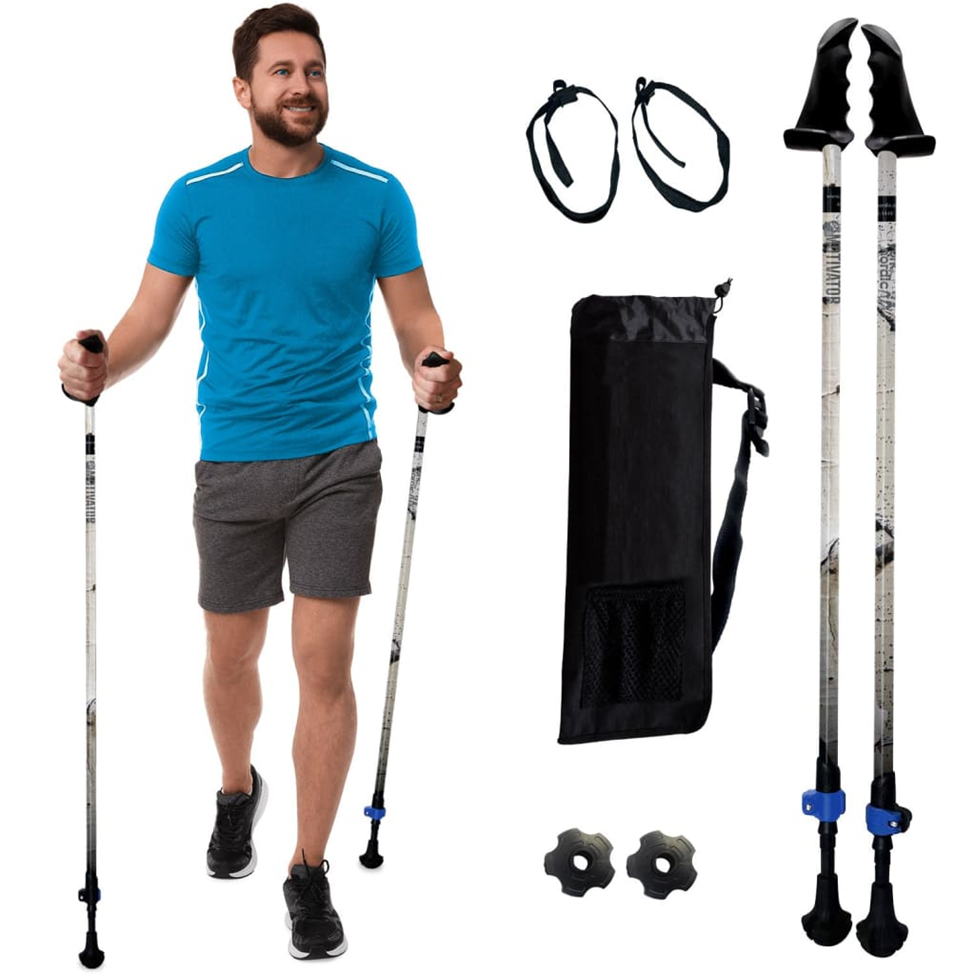
Understanding Walking Sticks for Balance and Their Real-World Purpose
Walking sticks for balance are widely used mobility aids designed to support people who experience difficulty maintaining steady posture while standing or walking. They are often recommended for older adults, individuals recovering from injury, and those with mild to moderate mobility challenges. The primary purpose of a walking stick is to increase stability by expanding the user’s base of support, giving the body an additional point of contact with the ground.
In practical use, a walking stick helps reduce the risk of imbalance during everyday movement such as walking on uneven pavements, climbing stairs, or standing for extended periods. Unlike complex mobility devices, a walking stick offers a simple yet highly effective solution that supports independence. Many users rely on walking sticks for balance not only for physical stability but also for increased confidence in movement, which is equally important in preventing hesitation-related falls.
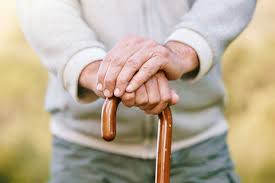
The Science Behind Balance, Gait, and Walking Stability
During a normal gait cycle, weight shifts from one leg to the other in a continuous rhythm. A walking stick for balance helps stabilize this transition by sharing part of the body weight, especially during the stance phase when one leg is fully loaded. This support reduces sudden swaying and helps users maintain a more controlled walking pattern. Over time, this can encourage safer movement habits and reduce the physical strain associated with instability.
Types of Walking Sticks for Balance and Mobility Support
Walking sticks come in different designs to match varying levels of support needs. The most commonly used type is the single-point walking stick, which is lightweight and easy to maneuver. It provides mild support and is ideal for individuals who only need assistance with occasional imbalance or fatigue during walking.
For users requiring stronger stability, multi-point or quad walking sticks are often recommended. These have a wider base, offering greater ground contact and improved balance support. Folding walking sticks are also popular for people who need portability and convenience, especially when traveling. Each type serves a specific mobility purpose, allowing users to choose based on their lifestyle and physical condition.
Materials, Construction, and Durability of Walking Sticks
Walking sticks for balance are made using various materials, each offering different advantages. Wooden walking sticks are traditional and valued for their strength and natural feel. Aluminum walking sticks are lightweight, adjustable, and widely used in modern mobility support due to their practicality and ease of handling. Carbon fiber models are more advanced, offering high strength while remaining extremely light.
The construction quality of a walking stick plays a major role in safety and performance. A well-designed stick includes reinforced joints, a stable shaft, and a reliable grip connection to ensure durability under daily use. The base often features a rubber anti-slip tip, which increases traction on smooth or wet surfaces. This small but essential component significantly improves safety by preventing sudden slipping during movement.
Ergonomic Handles and User Comfort in Walking Sticks
The handle design of a walking stick is crucial for long-term comfort and usability. Ergonomic handles are shaped to match the natural curve of the hand, reducing pressure on the palm and wrist. This is particularly important for individuals who rely on their walking stick for extended periods throughout the day. Poor handle design can lead to discomfort and even strain in the upper limbs over time.
Different handle styles are designed for different needs, including straight handles, contoured grips, and offset handles. Each style influences how weight is distributed through the arm and wrist. A well-designed ergonomic walking stick improves grip stability, reduces fatigue, and enhances control during movement. This ensures that users can walk more comfortably and confidently, even over longer distances.
Proper Technique for Using Walking Sticks for Balance
Using a walking stick correctly is essential for maximizing its benefits. The general principle is to hold the stick in the hand opposite the weaker or less stable leg. This technique helps distribute body weight more evenly and supports natural walking rhythm. When stepping forward, the walking stick and the weaker leg should move together to maintain synchronized balance.
Posture also plays a key role in effective use. Standing upright with relaxed shoulders ensures that the body remains aligned while walking. The walking stick should touch the ground at the same time as the opposite foot, creating a stable triangular support system. With consistent practice, this movement becomes natural and significantly improves walking confidence and stability in daily activities.
Safety, Fall Prevention, and Environmental Adaptation
Walking sticks for balance are widely recognized as effective tools for reducing fall risk, especially in environments where surfaces are uneven or unpredictable. Falls often occur due to sudden loss of balance, and a walking stick provides immediate corrective support by offering an additional point of stability. This is particularly important in public spaces, outdoor paths, and areas with slippery flooring.
Environmental adaptation is also an important consideration. Users often adjust their walking stick usage depending on terrain conditions such as wet surfaces, gravel paths, or stairs. Rubber tips on walking sticks are designed to improve grip and reduce slipping hazards. By improving stability in different environments, walking sticks help users maintain independence and reduce anxiety associated with movement.
Walking Sticks in Rehabilitation and Health Conditions
Walking sticks are commonly used in rehabilitation settings to support recovery from injuries or surgeries affecting the lower body. They allow individuals to gradually regain strength and balance without placing excessive pressure on healing joints or muscles. In many rehabilitation programs, walking sticks are introduced as part of mobility training to encourage safe movement patterns.
They are also beneficial for individuals with chronic conditions that affect balance, such as joint disorders, muscle weakness, or neurological challenges. In these cases, walking sticks provide consistent support that helps users maintain daily activities with greater ease. Beyond physical assistance, they also offer psychological reassurance, which plays a significant role in improving mobility confidence and reducing fear of falling.
Choosing the Right Walking Stick for Balance Needs
Selecting the right walking stick depends on the level of support required, physical condition, and daily lifestyle. A lightweight single-point stick is often sufficient for mild balance issues, while more stable designs are better suited for individuals who need stronger support. Comfort, grip type, and adjustability are also important factors that influence long-term usability.
It is also important to consider where the walking stick will be used most frequently. Indoor use may require a lighter and more compact design, while outdoor use benefits from stronger materials and enhanced grip features. A properly chosen walking stick not only improves physical stability but also enhances independence, allowing users to move safely and confidently in their daily lives.
Conclusion
Walking sticks for balance are more than simple mobility aids—they are essential tools that support safety, independence, and confidence in everyday life. By improving stability, reducing strain on the body, and helping users maintain proper posture, they play a key role in preventing falls and enhancing overall mobility. Whether used temporarily during recovery or as a long-term support solution, a well-chosen walking stick can significantly improve quality of life.
As mobility needs vary from person to person, selecting the right walking stick and using it correctly is crucial for achieving the best results. With the right fit, proper technique, and thoughtful design features, walking sticks empower individuals to move more freely and securely. In the long run, they not only provide physical support but also restore confidence, allowing users to stay active and engaged in their daily routines.