
San Pedro de Atacama: The Ultimate Guide to Chile’s Desert Paradise
San Pedro de Atacama is one of the most breathtaking destinations in South America and a place that continues to attract travelers from all over the world. Located in northern Chile, this small desert town sits in the heart of the Atacama Desert, which is widely recognized as the driest non-polar desert on Earth. Surrounded by volcanoes, salt flats, geysers, lagoons, and rocky valleys, San Pedro de Atacama offers a travel experience unlike any other. The town combines natural beauty, indigenous culture, adventure tourism, and world-famous stargazing, making it one of Chile’s most visited tourist destinations.
Although San Pedro de Atacama is relatively small, it serves as the gateway to countless natural attractions spread across the desert landscape. Visitors travel here to experience Valle de la Luna, El Tatio Geysers, Laguna Cejar, the Atacama Salt Flat, and the Altiplanic Lagoons. The region also attracts photographers, astronomers, backpackers, luxury travelers, and eco-tourists because of its extraordinary scenery and peaceful environment. Over the years, San Pedro de Atacama has developed a strong reputation as one of the best adventure and nature travel destinations in Latin America.
The town itself maintains a charming atmosphere with adobe-style buildings, sandy streets, local craft shops, and traditional Chilean restaurants. Despite growing tourism, San Pedro de Atacama still preserves its desert identity and indigenous cultural roots. Travelers who visit often describe the experience as magical because of the silence of the desert, the intense colors of the landscape, and the incredibly clear skies that reveal millions of stars each night.
The History and Cultural Importance of San Pedro de Atacama
San Pedro de Atacama has a long and fascinating history connected to the indigenous Atacameño people, also known as the Likan Antai. Long before Spanish colonization, indigenous communities survived in this harsh desert climate by developing advanced irrigation systems and agricultural techniques. These communities learned how to manage scarce water resources while adapting to high-altitude living conditions. Archaeological discoveries throughout the region continue to provide evidence of ancient civilizations that existed here for thousands of years.
The area later became an important route for trade between the Andes and surrounding regions. During the colonial period, Spanish influence introduced Christianity and new architectural styles while also changing the social and economic structure of local communities. Today, traces of this history remain visible in churches, traditional adobe homes, and cultural practices preserved by local families.
Modern San Pedro de Atacama reflects a blend of indigenous traditions and international tourism. Visitors can explore museums and archaeological sites that showcase ancient tools, pottery, textiles, and mummies discovered in the desert. The local culture also survives through traditional handicrafts, music, and cuisine. Travelers interested in cultural tourism often appreciate the opportunity to learn about Atacameño heritage while experiencing the unique desert environment.
Geography and Climate of the Atacama Desert
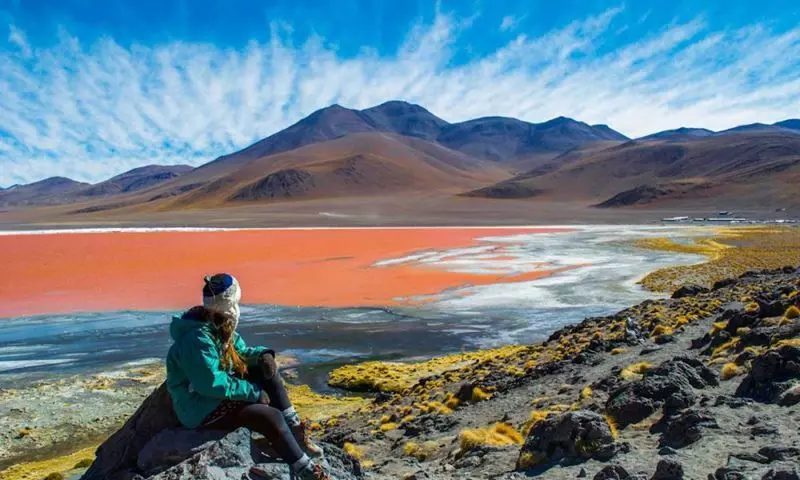
The Atacama Desert is one of the most unique geographic regions in the world. Stretching across northern Chile, it is known for its extreme dryness, dramatic landscapes, and high-altitude terrain. San Pedro de Atacama sits at an elevation of more than 2,400 meters above sea level, surrounded by volcanic mountains and vast desert plains. The landscape includes salt flats, rocky valleys, sand dunes, thermal fields, and mineral-rich lagoons that create constantly changing colors throughout the day.
Scientists often study the Atacama Desert because of its extreme conditions. Some areas have received almost no measurable rainfall for decades, creating an environment that resembles parts of Mars. This unusual climate makes the desert an important location for scientific research, astronomy, and even space exploration testing. The dry atmosphere and minimal cloud cover also contribute to the region’s exceptional visibility for observing the night sky.
The climate in San Pedro de Atacama is generally sunny and dry throughout the year. Days are often warm and pleasant, while nights can become very cold because of the altitude and desert conditions. Travelers frequently underestimate the temperature difference between daytime and nighttime, so layered clothing is essential. Hydration is also extremely important because the dry air and high elevation can quickly lead to dehydration and altitude-related discomfort.
Why San Pedro de Atacama Is Famous for Stargazing
One of the biggest reasons travelers visit San Pedro de Atacama is its world-class stargazing opportunities. The Atacama Desert has some of the clearest skies on Earth due to its high altitude, dry atmosphere, and extremely low levels of light pollution. On clear nights, visitors can see the Milky Way stretching brightly across the sky along with countless stars, planets, and constellations that are often invisible in urban areas.
Astronomy tourism has become a major part of the local economy. Many professional observatories are located in northern Chile because the conditions are ideal for scientific observation. Travelers can join guided stargazing tours that include telescopes, astrophotography sessions, and educational presentations about the universe. Some tours also explain how indigenous communities interpreted the stars and used astronomy in their daily lives.
The best stargazing conditions usually occur during new moon periods when the sky is darkest. During these nights, visibility becomes extraordinary, making the experience unforgettable for photographers and astronomy enthusiasts. Many travelers rank stargazing in San Pedro de Atacama among the best experiences in South America because the desert environment creates such a peaceful and immersive atmosphere.
Valle de la Luna and the Desert Landscapes
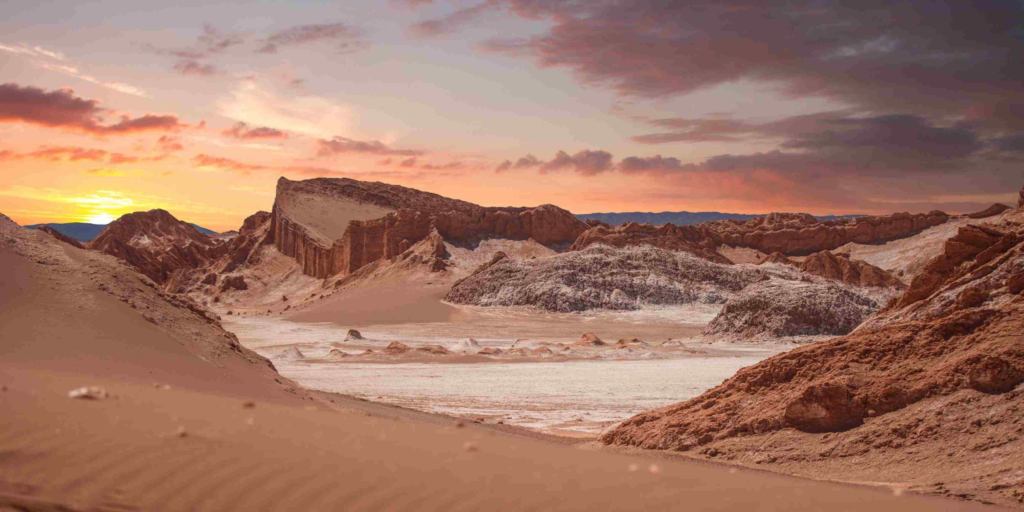
Valle de la Luna, or Moon Valley, is one of the most iconic attractions near San Pedro de Atacama. The valley earned its name because the landscape resembles the surface of the moon, with jagged rock formations, giant sand dunes, salt-covered terrain, and dramatic desert cliffs. Wind and erosion have shaped the valley over thousands of years, creating unusual geological formations that attract photographers and nature lovers from around the world.
Sunset is the most popular time to visit Valle de la Luna because the changing sunlight transforms the desert into shades of orange, red, gold, and purple. As the sun lowers behind the mountains, the colors become increasingly intense, creating one of the most spectacular desert sunsets in Chile. The silence and emptiness of the valley also give visitors a sense of isolation and tranquility rarely found in modern travel destinations.
Beyond Valle de la Luna, the surrounding desert contains many other impressive landscapes. Rainbow Valley is famous for its colorful mineral-rich hills, while the Atacama Salt Flat stretches across vast areas filled with white salt formations and shallow lagoons. These diverse environments make San Pedro de Atacama a paradise for outdoor exploration, photography, and adventure travel.
El Tatio Geysers and High-Altitude Adventures
El Tatio Geysers are among the most famous geothermal attractions in South America. Located at more than 4,000 meters above sea level, this geothermal field contains dozens of active geysers, steam vents, and boiling pools. Travelers usually leave San Pedro de Atacama before sunrise to reach the geysers during the coldest part of the morning when the steam columns become most visible against the dark sky.
The journey to El Tatio is part of the adventure because visitors travel through high-altitude desert landscapes surrounded by mountains and volcanic scenery. Temperatures before sunrise can be extremely cold, especially during winter months, so warm clothing is essential. As sunlight reaches the geothermal field, the steam rising from the earth creates a surreal and unforgettable atmosphere.
Many tours also include visits to nearby hot springs where travelers can relax in naturally heated water surrounded by the desert landscape. Wildlife sightings are common in the area, including vicuñas, flamingos, foxes, and various bird species adapted to the harsh conditions of the Andes. These experiences make El Tatio one of the most memorable excursions in the region.
Lagoons, Salt Flats, and Natural Wonders
San Pedro de Atacama is surrounded by beautiful lagoons and salt flats that showcase the incredible diversity of the Atacama Desert. Laguna Cejar is particularly famous because of its extremely high salt concentration, which allows visitors to float effortlessly in the water. Many travelers compare the experience to floating in the Dead Sea because the dense saline water keeps the body naturally buoyant.
The Altiplanic Lagoons, including Miscanti and Miñiques, are among the most scenic locations in northern Chile. These lagoons sit at high elevations surrounded by volcanoes and snow-capped peaks, creating breathtaking panoramic views. The deep blue water contrasts sharply with the dry desert landscape, while flamingos and other wildlife add to the beauty of the environment.
The Salar de Atacama, or Atacama Salt Flat, is another major attraction in the region. It is the largest salt flat in Chile and contains unique ecosystems that support rare species of birds and microorganisms. Travelers visiting the salt flat often stop at Chaxa Lagoon, where flamingos gather in shallow waters surrounded by white salt formations and distant mountains.
Best Time to Visit San Pedro de Atacama
San Pedro de Atacama is a year-round destination, but certain seasons provide more comfortable travel conditions depending on visitor preferences. Spring and autumn are generally considered the best times to visit because daytime temperatures are pleasant and nights are not excessively cold. These seasons are ideal for hiking, sightseeing, photography, and outdoor activities.
Summer months can bring occasional rainstorms caused by weather systems from the Andes. These storms are relatively rare but may temporarily affect road conditions and tour schedules. However, summer also brings warmer nights and vibrant desert colors, making it attractive for travelers who prefer milder evening temperatures.
Winter in the Atacama Desert is known for very cold mornings and nights, particularly at higher elevations. Despite the cold, winter often provides exceptionally clear skies for stargazing and photography. Travelers visiting during this season should prepare carefully for freezing temperatures during early morning excursions such as El Tatio Geysers tours.
Accommodation, Food, and Local Experiences
Accommodation options in San Pedro de Atacama range from budget-friendly hostels to luxury eco-lodges and boutique desert hotels. Backpackers often choose affordable hostels with communal spaces that encourage social interaction, while luxury travelers prefer private lodges offering spa treatments, gourmet dining, and guided excursions. Many hotels are designed using adobe architecture that blends naturally with the desert surroundings.
The local food scene reflects both Chilean cuisine and indigenous influences. Restaurants in San Pedro de Atacama often serve dishes made with local ingredients such as quinoa, corn, llama meat, potatoes, and fresh vegetables grown in desert oases. Travelers can also enjoy empanadas, grilled meats, handmade bread, and traditional Chilean desserts. Local cafes and bakeries provide relaxing spaces for visitors after long desert excursions.
Shopping in town usually focuses on handmade crafts, textiles, jewelry, and souvenirs created by local artisans. Visitors often purchase alpaca wool products, handmade pottery, and desert-inspired artwork as reminders of their trip. Evening life in San Pedro de Atacama remains relatively calm, with many travelers choosing stargazing tours or quiet dinners instead of nightlife-focused entertainment.
Travel Tips and Practical Information
Travelers visiting San Pedro de Atacama should prepare carefully because of the desert climate and high altitude. Drinking plenty of water is essential to avoid dehydration and altitude sickness. Many attractions sit above 4,000 meters, so gradual acclimatization is strongly recommended during the first few days of the trip.
Sun protection is another important consideration because the desert sun can be extremely intense. Sunglasses, sunscreen, hats, and lightweight clothing help protect against strong UV exposure during daytime excursions. Visitors should also carry warm layers for cold mornings and evenings, especially when joining sunrise or nighttime tours.
Transportation in San Pedro de Atacama is relatively simple because the town is compact and walkable. Most visitors arrive through Calama Airport and then continue by shuttle or bus. Guided tours are widely available and remain the easiest way to explore remote desert attractions safely and efficiently.
Why San Pedro de Atacama Is One of South America’s Best Destinations
San Pedro de Atacama offers a travel experience that combines adventure, nature, science, culture, and relaxation in one extraordinary location. Few places in the world provide such a dramatic combination of volcanoes, salt flats, lagoons, geysers, desert valleys, and crystal-clear night skies. The region’s unique geography creates landscapes that feel almost unreal, leaving lasting memories for travelers of all ages.
The destination also appeals to many different types of visitors. Adventure seekers enjoy hiking, cycling, and high-altitude excursions, while photographers capture colorful sunsets and desert scenery. Astronomy enthusiasts come for the incredible stargazing conditions, and cultural travelers appreciate the indigenous heritage and historical significance of the area.
As global tourism continues to grow, San Pedro de Atacama remains one of Chile’s greatest natural treasures. Its peaceful atmosphere, remarkable landscapes, and unforgettable experiences continue to inspire travelers from around the world. Whether someone visits for adventure, photography, astronomy, or cultural exploration, San Pedro de Atacama delivers a truly unique and life-changing journey through one of the most extraordinary deserts on Earth.
Conclusion
San Pedro de Atacama stands as one of the most remarkable travel destinations in the world, where extreme natural beauty meets deep cultural history and unforgettable adventure. From the surreal landscapes of Valle de la Luna to the powerful geothermal activity of El Tatio Geysers, every corner of this desert region offers something unique and visually stunning. The combination of salt flats, high-altitude lagoons, volcanic peaks, and silent desert valleys creates an atmosphere that feels almost otherworldly.
Beyond its landscapes, the region’s rich Atacameño heritage and peaceful desert-town lifestyle give visitors a deeper sense of connection to the land and its history. The experience becomes even more unforgettable under the night sky, where San Pedro de Atacama reveals one of the clearest and most spectacular stargazing environments on Earth.
For travelers seeking adventure, photography, culture, or pure natural wonder, San Pedro de Atacama delivers a complete and unforgettable journey. It is not just a destination to visit, but a place that leaves a lasting impression long after the journey ends.