
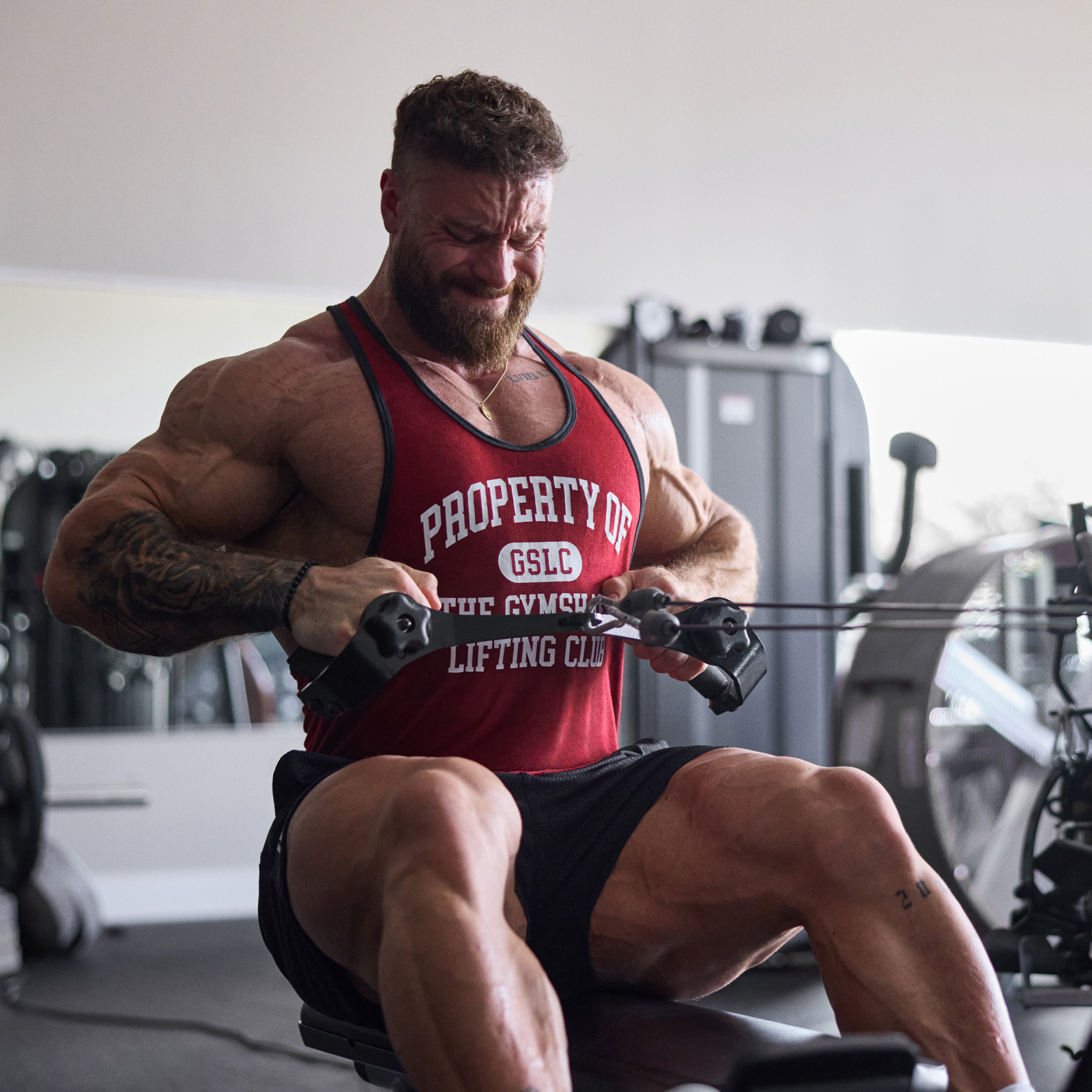
Understanding Back Muscles and Why Dumbbells Are Highly Effective
The human back is not a single muscle but a complex system of interconnected muscles including the latissimus dorsi, trapezius, rhomboids, rear deltoids, and spinal erectors. These muscles work together to pull, stabilize, and support the spine during both movement and rest. When trained properly, they not only improve physical appearance but also enhance posture, spinal health, and functional strength in daily life.
Dumbbells are particularly effective for back training because they allow a free range of motion that closely follows natural joint movement patterns. Unlike machines that lock you into fixed paths, back workouts with dumbbells require your stabilizing muscles to activate more deeply, improving coordination and balance. Recent fitness discussions and expert-backed training approaches consistently highlight that dumbbell training helps correct muscular imbalances between the left and right sides of the body, which is essential for long-term structural symmetry.
Another important advantage of dumbbell-based back workouts is accessibility. Whether training at home or in a gym, dumbbells allow you to target every part of the back with just a few movement variations. From heavy compound rows to controlled isolation exercises, dumbbells support both strength and hypertrophy while maintaining joint safety and natural movement mechanics.
The Science Behind Back Growth and Dumbbell Resistance Training
Back muscle development depends heavily on progressive overload, controlled movement, and consistent mechanical tension. Dumbbell training supports all three principles effectively. When you gradually increase weight or repetitions over time, your muscles adapt by growing stronger and denser. This is the foundation of muscle hypertrophy and is widely accepted in strength training science.
One of the key benefits of dumbbell-based training is the ability to achieve a deeper range of motion. Exercises like rows and pullovers allow the lats and upper back muscles to stretch fully before contracting, which increases muscle fiber activation. Research-based fitness sources indicate that free-weight exercises like dumbbell rows recruit a high level of stabilizing muscles, sometimes more than machine-based movements, because the body must control balance throughout the lift .
Another important concept is the mind-muscle connection, which plays a critical role in back training. Many people struggle to feel their back muscles working because the arms often take over during pulling exercises. Dumbbells help solve this problem because each arm moves independently, allowing better focus on driving the elbows backward rather than pulling with the hands. This improves activation of the lats, rhomboids, and traps, leading to more efficient and noticeable muscle development.
Single-Arm Dumbbell Row for Lat Thickness and Balanced Strength
The single-arm dumbbell row is widely regarded as one of the most effective dumbbell exercises for building a strong, thick back. It primarily targets the latissimus dorsi while also engaging the rhomboids, traps, rear delts, and biceps. Because each side works independently, it also corrects muscle imbalances that often develop from daily activities or uneven training habits.
This movement is especially valuable for developing back thickness because it allows heavy loading without placing excessive stress on the spine. With proper support from a bench or stable surface, the lower back is protected while the upper back works intensely. Fitness experts frequently emphasize that the rowing motion should be directed toward the hip rather than the chest, as this improves lat engagement and reduces arm dominance .
When performed consistently, the single-arm dumbbell row builds both strength and muscular control. It also improves posture by strengthening the stabilizing muscles around the shoulder blades. Over time, this exercise contributes significantly to a denser and more powerful back structure, making it a foundational movement in any dumbbell back workout routine.
Bent-Over Dumbbell Rows for Overall Back Mass and Strength Development
Bent-over dumbbell rows are a compound movement that activates almost every major muscle in the back simultaneously. This includes the lats, traps, rhomboids, and spinal erectors, making it one of the most complete exercises for overall back development. It is often used as a primary strength-building movement in structured training programs.
The key advantage of this exercise is its ability to build both width and thickness at the same time. By hinging at the hips and maintaining a neutral spine, back workouts with dumbbells the body engages the posterior chain while performing the pulling motion. This creates a strong foundation not only for back aesthetics but also for functional strength and injury prevention.
Proper execution is essential for maximizing results. The dumbbells should be pulled toward the lower ribcage or hips while keeping the elbows close to the body. Controlled movement, especially during the lowering phase, increases time under tension and enhances muscle fiber recruitment. Many fitness studies and expert observations highlight that bent-over dumbbell rows are among the highest-activation back exercises when performed with strict form .
Dumbbell Pullovers for Lat Expansion and Upper Body Stretch Development
Back workouts with dumbbells pullovers are a unique exercise because they target the lats through a deep stretching range of motion. Unlike rowing movements that emphasize contraction, pullovers focus on lengthening the muscle under load. This makes them especially effective for improving back width and overall upper body expansion.
The movement involves lowering a dumbbell behind the head while maintaining control through the shoulders and core. This stretch activates the latissimus dorsi while also engaging the chest and serratus anterior depending on execution. The controlled arc of motion creates constant tension, which is important for muscle growth and flexibility.
Pullovers also improve shoulder mobility and ribcage expansion over time. When included in a dumbbell back workout, back workouts with dumbbells they complement heavy rowing exercises by balancing contraction-based training with stretch-focused movement. This combination is important for developing a well-rounded and symmetrical back.
Dumbbell Reverse Flys for Rear Delts and Upper Back Definition
Back workouts with dumbbells reverse flys are an isolation exercise that targets the rear deltoids, rhomboids, and mid traps. These muscles are often underdeveloped compared to the lats and require direct attention for balanced upper body development. Weak rear delts are also commonly associated with poor posture and rounded shoulders.
This exercise is typically performed with lighter weights to maintain strict form and prevent momentum from taking over. The movement involves lifting the arms outward in a controlled motion while keeping a slight bend in the elbows. This ensures that the upper back muscles do most of the work instead of the arms.
Over time, reverse flys improve scapular control, posture alignment, and shoulder stability. They also enhance the visual definition of the upper back, back workouts with dumbbells creating a more athletic and balanced physique. When combined with compound rowing movements, they ensure that both large and small back muscles are properly trained.
Dumbbell Shrugs for Trapezius Strength and Upper Back Thickness
Dumbbell shrugs primarily target the trapezius muscles, which extend from the neck to the mid-back. These muscles play a crucial role in shoulder elevation, back workouts with dumbbells neck stability, and upper back thickness. Developing strong traps contributes significantly to a powerful and upright posture.
The movement itself is simple but requires precision for maximum effectiveness. The shoulders are lifted straight upward and briefly held at the top before being lowered slowly. This pause increases muscle tension and enhances the stimulation of the upper traps. When performed correctly, dumbbell shrugs create noticeable improvements in upper back density.
Strong trapezius muscles also support other back exercises by improving shoulder stability during heavy lifts. Over time, this exercise helps build a more complete and visually strong upper back, especially when paired with rowing and rear delt movements.
Building an Effective Dumbbell Back Workout for Long-Term Progress
An effective back workouts with dumbbells is not just about selecting a few exercises; it is about understanding how the back muscles respond to tension, recovery, and progressive overload over time. When training consistently with dumbbells, the body adapts by strengthening neural connections and improving muscle fiber recruitment, which gradually leads to noticeable improvements in size, posture, and strength. This adaptation process is what transforms basic workouts into long-term physical development.
One of the most important aspects of long-term back training is consistency in movement quality. Many people focus only on lifting heavier weights, but the real growth happens when exercises are performed with control and full range of motion. Dumbbells make this easier because they force each side of the body to work independently, back workouts with dumbbells which naturally improves symmetry and reduces reliance on dominant muscles. Over time, this creates a more balanced and aesthetically developed back structure.
Another important factor in dumbbell back training is muscle fatigue management. The back is a large muscle group, and it responds best when it is trained with sufficient intensity but also allowed proper recovery. When recovery is respected, muscle fibers repair stronger and thicker than before. This is why experienced trainers often emphasize training the back multiple times per week with moderate volume rather than exhausting it in a single session. Dumbbells support this approach because they allow variation in intensity without requiring complex equipment changes.
As training progresses, movement awareness becomes even more important. Many lifters initially struggle to properly engage their lats and upper back, back workouts with dumbbells but with repeated dumbbell training, the mind-muscle connection becomes significantly stronger. This means the body learns to activate the correct muscles during each rep, improving efficiency and reducing unnecessary strain on the arms and lower back. Over time, this leads to more targeted development and better overall control of movement patterns.
Nutrition and recovery also play an indirect but crucial role in back development. Although this article focuses on training, it is important to understand that muscle growth only happens when the body has adequate nutrients and rest. Protein intake supports muscle repair, back workouts with dumbbells while proper sleep ensures hormonal balance that promotes recovery. Without these elements, even the most effective dumbbell workouts will produce slower results.
When all these principles come together—progressive overload, controlled movement, balanced exercise selection, and proper recovery—the result is a strong and well-developed back that supports the entire body. back workouts with dumbbells training becomes not just a workout routine, but a long-term system for improving strength, posture, and physical confidence.
In conclusion, back workouts with dumbbells are one of the most efficient and accessible ways to build a powerful upper and lower back. They offer unmatched versatility, allowing you to train at home or in the gym while still achieving professional-level results. From building lat width with pullovers to increasing thickness with rows and improving posture with reverse flys, back workouts with dumbbells each movement contributes to a complete back development system. Over time, consistent dumbbell training reshapes not only your physique but also your functional strength and daily movement quality, making it one of the most valuable training approaches for long-term fitness success.
Renegade Rows for Core Stability and Full Back Engagement
Renegade rows combine back training with core stability work, making them one of the most functional dumbbell exercises available. This movement targets the lats, rhomboids, traps, and abdominal muscles simultaneously, creating full-body engagement and coordination.
Because the body must resist rotation during each rep, the core muscles are heavily activated. This improves overall stability and balance, back workouts with dumbbells which translates into better performance in other strength exercises. It also enhances control over the spine and pelvis during dynamic movement patterns.
Although challenging, renegade rows are extremely effective for building athletic strength. They help bridge the gap between pure strength training and functional fitness, back workouts with dumbbells making them valuable for individuals who want both muscle development and real-world movement capability.
Dumbbell Deadlift Variations for Lower Back Strength and Posterior Chain Development
Back workouts with dumbbells deadlift variations focus on strengthening the spinal erectors, glutes, and hamstrings while also supporting overall back development. These exercises are essential for building lower back endurance, which is critical for posture, lifting mechanics, and injury prevention.
The hip hinge pattern used in these movements teaches proper body mechanics that transfer to everyday activities such as lifting, bending, and carrying. When performed with a neutral spine, back workouts with dumbbells deadlifts distribute load evenly across the posterior chain, reducing stress on any single area while still promoting strength gains.
Consistent training with deadlift variations also improves spinal stability and reduces fatigue during other back exercises. This creates a balanced foundation that supports both upper and lower back development, ensuring long-term structural health and performance.
Building an Effective Dumbbell Back Workout for Long-Term Progress

An effective back workouts with dumbbells back workout combines compound movements, isolation exercises, and controlled stretching patterns to fully develop the back. Exercises like rows build mass and thickness, while reverse flys and pullovers refine shape and improve flexibility. Together, they create a complete training system for back development.
Progression is the most important factor for long-term results. Gradually increasing resistance, back workouts with dumbbells improving form, and maintaining consistency are more important than constantly changing exercises. Training the back two to three times per week allows sufficient recovery while promoting steady muscle growth and strength improvements.
Over time, a structured back workouts with dumbbells back program enhances posture, improves athletic performance, and builds a strong and balanced physique. It also supports everyday movement efficiency, making daily activities easier and reducing the risk of discomfort or injury.
Conclusion
Back workouts with dumbbells offer a complete and practical approach to building strength, size, and posture without relying on complex machines. When performed with proper technique and consistency, dumbbell exercises such as rows, pullovers, reverse flys, shrugs, and deadlift variations work together to develop every part of the back, including the lats, traps, rhomboids, rear delts, and lower back muscles. This balanced engagement is what leads to a strong, well-shaped, and functional physique over time.
What makes back workouts with dumbbells training especially effective is its ability to train each side of the body independently while allowing a natural range of motion. This not only improves muscle symmetry but also enhances stability and reduces the risk of injury caused by imbalances. Over time, these benefits translate into better posture, improved lifting mechanics, and stronger performance in both daily activities and other forms of training.
Ultimately, consistency and control matter more than complexity. A simple, well-structured dumbbell back routine performed regularly can deliver long-term results that rival more advanced equipment-based programs. By focusing on proper form, gradual progression, and balanced muscle activation, anyone can build a stronger, wider, and more resilient back that supports both appearance and overall physical health.