Understanding Furry Art as a Modern Creative Form
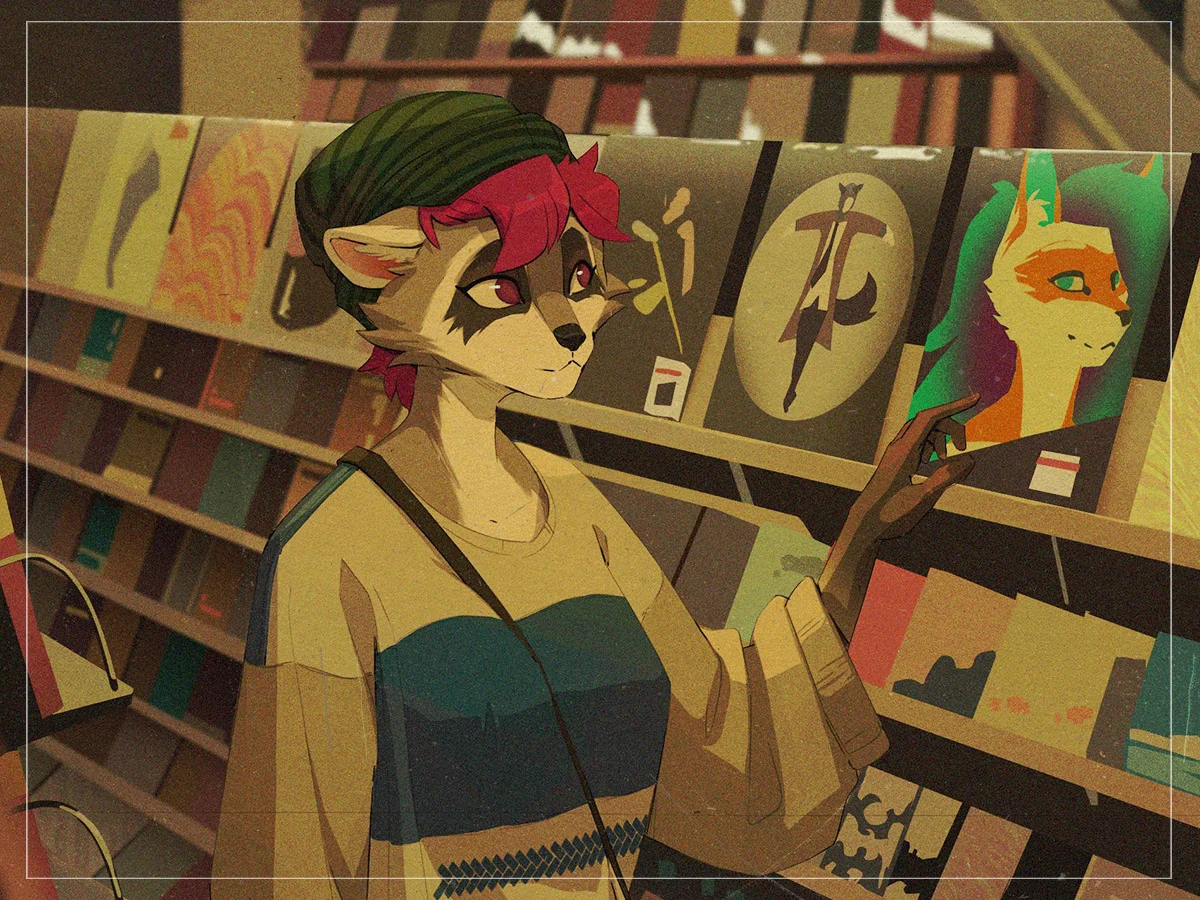
Furry art is a broad artistic genre that focuses on anthropomorphic animal characters, meaning animals that are designed with human traits such as speech, intelligence, emotions, clothing, and social behavior. These characters are not limited to simple cartoon animals; instead, they often represent detailed personalities, fictional identities, or symbolic expressions created by artists and fans. In the modern digital world, furry art has become one of the most recognizable forms of character-based illustration, widely shared across online communities and art platforms.
Unlike traditional animal illustration, furry art emphasizes storytelling and identity. Artists design characters that live in fictional worlds or represent aspects of personality and imagination. These characters are often called fursonas, and they may be used in storytelling, roleplay, or personal branding within creative communities. The flexibility of furry art allows it to exist in many visual styles, from realistic wildlife-inspired portraits to highly stylized cartoon and anime-influenced designs.
At its core, furry art is not defined by one technique or aesthetic. Instead, it is defined by its subject matter and expressive purpose. It blends imagination, identity, and visual storytelling into a unique form of modern digital art that continues to evolve with internet culture.
Historical Development and Cultural Roots of Furry Art
The origins of furry art can be traced back thousands of years to early human storytelling traditions. Ancient myths and folklore often featured animals with human-like intelligence, such as speaking beasts in fables or gods depicted in animal form. These early representations were not considered “furry art” in the modern sense, but they laid the foundation for anthropomorphic storytelling as a cultural concept.
During the 20th century, anthropomorphic characters became more common in comics, animation, and literature. Early cartoon industries, especially in Western animation, popularized animal characters with human personalities. Over time, science fiction and fantasy communities began exploring more complex versions of these characters, giving them deeper emotional and psychological traits rather than using them only for humor or moral lessons.
The modern furry art movement began to take shape in the late 1970s and 1980s within underground comic communities and early science fiction conventions. Artists and writers started creating original anthropomorphic characters with detailed backstories and emotional depth. With the rise of the internet in the 1990s, furry art expanded rapidly, as digital platforms allowed artists to share work globally and build dedicated communities. This transformation turned furry art from a niche creative interest into a global digital subculture.
The Psychology of Anthropomorphism in Furry Art
One of the most important foundations of furry art is anthropomorphism, the human tendency to assign human traits to animals or non-human entities. This psychological concept is deeply rooted in how humans interpret the world, making furry art naturally relatable and emotionally engaging. When artists design anthropomorphic characters, they are tapping into this instinctive ability to connect with non-human personalities.
Anthropomorphic characters allow for creative storytelling that blends human emotions with animal symbolism. Different animals are often associated with certain personality traits, such as wolves representing loyalty or foxes symbolizing intelligence. However, in furry art, these meanings are not fixed. Artists often use or break these associations to create unique characters that reflect complex identities and emotional depth.
This psychological flexibility is one reason furry art has gained popularity in digital communities. It provides a safe imaginative space where identity, emotion, and storytelling can be explored without strict limitations. For many creators, anthropomorphic characters serve as emotional extensions of themselves or as symbolic representations of ideas that are difficult to express in human form.
Fursonas and Personal Identity in Digital Art Culture
A central concept in furry art culture is the fursona, a personal anthropomorphic character created by an individual. Fursonas are not just drawings; they are often deeply personal creative identities that reflect personality traits, emotions, or aspirational qualities. Some fursonas are simple and stylized, while others are highly detailed with complex histories, relationships, and visual designs.
Fursonas play a significant role in online identity within furry communities. Many artists use their fursona as a digital avatar across platforms, commissions, and social interactions. This allows them to build a consistent creative identity that represents them in artistic spaces. Unlike traditional self-portraits, fursonas offer freedom from physical limitations, enabling individuals to explore identity in symbolic and imaginative ways.
In many cases, fursonas evolve over time. Artists may redesign their characters as their skills improve or as their personal identity changes. This evolving nature makes fursonas an ongoing artistic project rather than a static image. As a result, furry art becomes a deeply personal form of storytelling that connects creativity with self-expression in meaningful ways.
Artistic Styles, Techniques, and Visual Diversity in Furry Art
Furry art is not limited to a single artistic style, which is one of its defining strengths. Artists use a wide range of techniques, including realism, semi-realism, cartoon illustration, anime-inspired designs, and abstract character concepts. This diversity allows furry art to exist across different artistic traditions while maintaining its core focus on anthropomorphic characters.
Some artists focus on anatomical realism, carefully studying animal and human anatomy to create believable hybrid forms. Others prioritize expressive design, using exaggerated proportions, bright colors, and stylized features to emphasize personality over realism. Digital painting tools have also expanded the possibilities of furry art, allowing for detailed shading, lighting effects, and complex textures.
The flexibility of style also extends to storytelling. Furry characters can exist in fantasy worlds, futuristic settings, or everyday environments. This adaptability allows artists to experiment with world-building, costume design, and emotional expression without being restricted by genre rules. As a result, furry art has become a highly versatile and innovative form of modern character design.
Digital Platforms and the Economy of Furry Art Commissions
The growth of the internet has played a major role in the development of furry art as a global creative industry. Online platforms allow artists to share their work, build audiences, and participate in commission-based economies where custom artwork is created for clients. This system has become a major source of income for many digital artists within the furry art community.
Commission culture is especially important in furry art because of the personalized nature of fursonas. Many individuals commission artists to create original depictions of their characters in different poses, outfits, or scenarios. This demand has created a dynamic creative economy where artists continuously refine their skills and develop unique visual styles to attract clients.
Social media platforms, art-sharing websites, and community forums have also helped expand the reach of furry art globally. Artists can collaborate, receive feedback, and build professional portfolios. This digital ecosystem has transformed furry art into both a creative passion and a viable professional field for many digital illustrators.
Community Structure and Cultural Expression in the Furry Fandom
The furry fandom is a global community centered around the appreciation of anthropomorphic art and storytelling. It is not limited to artists alone; it includes writers, animators, designers, and fans who engage with furry characters in different ways. The community is built around creativity, collaboration, and shared artistic interest.
Within this fandom, furry art serves as a primary form of communication and identity. Artists share character designs, stories, and collaborative projects that help build interconnected creative worlds. Events, both online and offline, often focus on art showcases, commissions, and storytelling activities, reinforcing the importance of visual expression within the community.
Despite its strong creative foundation, the furry fandom is often misunderstood by outsiders. However, within the community, it functions primarily as an artistic and social space where individuals connect through shared appreciation for anthropomorphic creativity. This cultural structure highlights the importance of art as both expression and connection.
Misconceptions, Media Representation, and Public Perception
Furry art has often been subject to misconceptions due to limited understanding in mainstream media. One common misunderstanding is that furry art represents a single style or specific theme, when in reality it is a broad artistic category with diverse interpretations. Another misconception is that it is defined by behavior rather than artistic expression, which overlooks its creative and storytelling foundations.
Media representation has sometimes focused on sensational aspects of the fandom rather than its artistic contributions. This has led to stereotypes that do not accurately reflect the majority of furry artists and community members, who are primarily focused on illustration, design, and storytelling. In reality, furry art shares many similarities with other fandom-based art communities centered on character creation and world-building.
As awareness increases, more people are beginning to recognize furry art as a legitimate form of digital creativity. It is increasingly viewed alongside other character-based art forms such as comic illustration, animation design, and fantasy art, highlighting its role in modern visual culture.
The Evolution of Digital Tools and Artistic Innovation
The development of digital art tools has significantly influenced the growth of furry art. Software for illustration, painting, and 3D modeling has allowed artists to experiment with new techniques that were previously difficult or impossible in traditional media. This technological evolution has expanded the creative possibilities of anthropomorphic character design.
Artists now use advanced tools for shading, texture creation, and animation, enabling more detailed and expressive furry characters. Some creators also explore 3D modeling, bringing anthropomorphic characters into fully realized digital environments. These innovations have elevated furry art from simple illustrations to complex visual storytelling experiences.
As technology continues to evolve, furry art is likely to integrate further with animation, virtual reality, and interactive media. This progression reflects the adaptability of the genre and its ability to evolve alongside digital creativity.
The Future of Furry Art in Global Digital Culture
The future of furry art appears closely tied to the growth of digital creativity and online communities. As more artists enter the field, the diversity of styles, storytelling methods, and character designs continues to expand. This ongoing evolution ensures that furry art remains a dynamic and influential part of internet-based art culture.
With increasing acceptance of digital art forms, furry art is also gaining recognition as a legitimate creative discipline. Educational platforms, professional illustration industries, and independent creators are all contributing to its development. This suggests that furry art will continue to grow not only as a fandom-based activity but also as a respected artistic practice.
Ultimately, furry art represents more than just anthropomorphic characters. It is a reflection of human creativity, identity exploration, and storytelling in the digital age. Its future lies in its ability to adapt, innovate, and inspire new generations of artists who continue to redefine what visual expression can be.
Historical Development and Cultural Roots of Furry Art
As furry art developed through internet culture, it also began to merge with modern digital fandoms. Online forums and early art communities allowed creators to exchange ideas and refine anthropomorphic design techniques. This created a shared visual language that helped define what furry art looks like today, even though it still has no strict rules.
In recent years, furry art has also become influenced by mainstream media such as animated films, video games, and comic books. Many professional designers now use anthropomorphic concepts in entertainment industries, showing how furry-inspired creativity has moved beyond fandom spaces into global media production.
The Psychology of Anthropomorphism in Furry Art
Anthropomorphism in furry art also plays a role in emotional storytelling. Artists often use animal features to represent emotional states that are difficult to express through human characters alone. For example, fur texture, eye shape, or posture can be used to show sadness, excitement, or curiosity in visually symbolic ways.
This psychological connection also helps audiences relate to characters more deeply. Because animals are perceived as neutral or universal symbols, viewers can project their own interpretations onto furry characters. This flexibility makes furry art emotionally engaging and widely adaptable across different cultures and artistic styles.
Fursonas and Personal Identity in Digital Art Culture
Fursonas also serve as a form of creative freedom in digital identity. Many people use them to explore alternative versions of themselves that may not exist in real life. This allows for experimentation with personality traits, appearance, and storytelling without real-world limitations.
Over time, fursonas can become highly detailed characters with evolving narratives. Some artists build entire universes around their fursonas, including friendships, backstories, and fictional environments. This transforms furry art into a long-term creative journey rather than a one-time design project.
Artistic Styles, Techniques, and Visual Diversity in Furry Art
The artistic diversity in also encourages innovation in digital illustration techniques. Many artists experiment with lighting effects, fur rendering methods, and expressive anatomy to make characters feel alive and emotionally engaging. This has contributed to the development of highly advanced digital painting skills within the community.
Additionally, often blends with other genres such as cyberpunk, fantasy, and slice-of-life storytelling. This cross-genre flexibility allows artists to constantly evolve their work and avoid creative limitations. As a result, continues to grow as a dynamic and experimental form of visual storytelling.
Digital Platforms and the Economy of Furry Art Commissions
The commission-based system in has created a sustainable ecosystem for independent artists. Many creators rely on commissions as a primary income source, offering custom character designs, illustrations, and animations. This has made furry art one of the most active freelance art markets online.
Digital platforms also help artists build long-term relationships with clients. Many buyers return for repeated commissions, requesting updated versions of their fursonas or new scenes. This ongoing interaction strengthens both the creative and financial aspects of communities.
Community Structure and Cultural Expression in the Furry Fandom
The furry fandom also emphasizes inclusivity and creative freedom, allowing individuals from different backgrounds to participate. This diversity has helped the community grow into a global network of artists, writers, and enthusiasts who collaborate across cultures and languages.
Within this environment, becomes more than just visual work—it becomes a shared cultural language. Characters, stories, and artistic styles often overlap between creators, forming a collaborative storytelling ecosystem that is constantly expanding.
Misconceptions, Media Representation, and Public Perception
Public perception of has gradually improved as more people encounter it through mainstream platforms. Social media has played a key role in showcasing the artistic quality and creativity behind furry illustrations, helping reduce misunderstandings over time.
Despite this progress, misconceptions still exist due to outdated stereotypes. However, increased exposure to high-quality artwork has helped shift focus toward its artistic value. Today, many viewers recognize it as a legitimate form of digital character design rather than a misunderstood subculture.
The Evolution of Digital Tools and Artistic Innovation
The rise of AI-assisted tools, digital painting software, and 3D modeling programs has significantly expanded furry art possibilities. Artists can now create highly detailed characters with realistic textures and complex lighting that were once difficult to achieve manually.
These technological advancements also make it easier for beginners to enter the field. Tutorials, brushes, and digital resources allow new artists to learn faster and experiment with different styles. This accessibility continues to fuel the global growth of communities.
The Future of Furry Art in Global Digital Culture
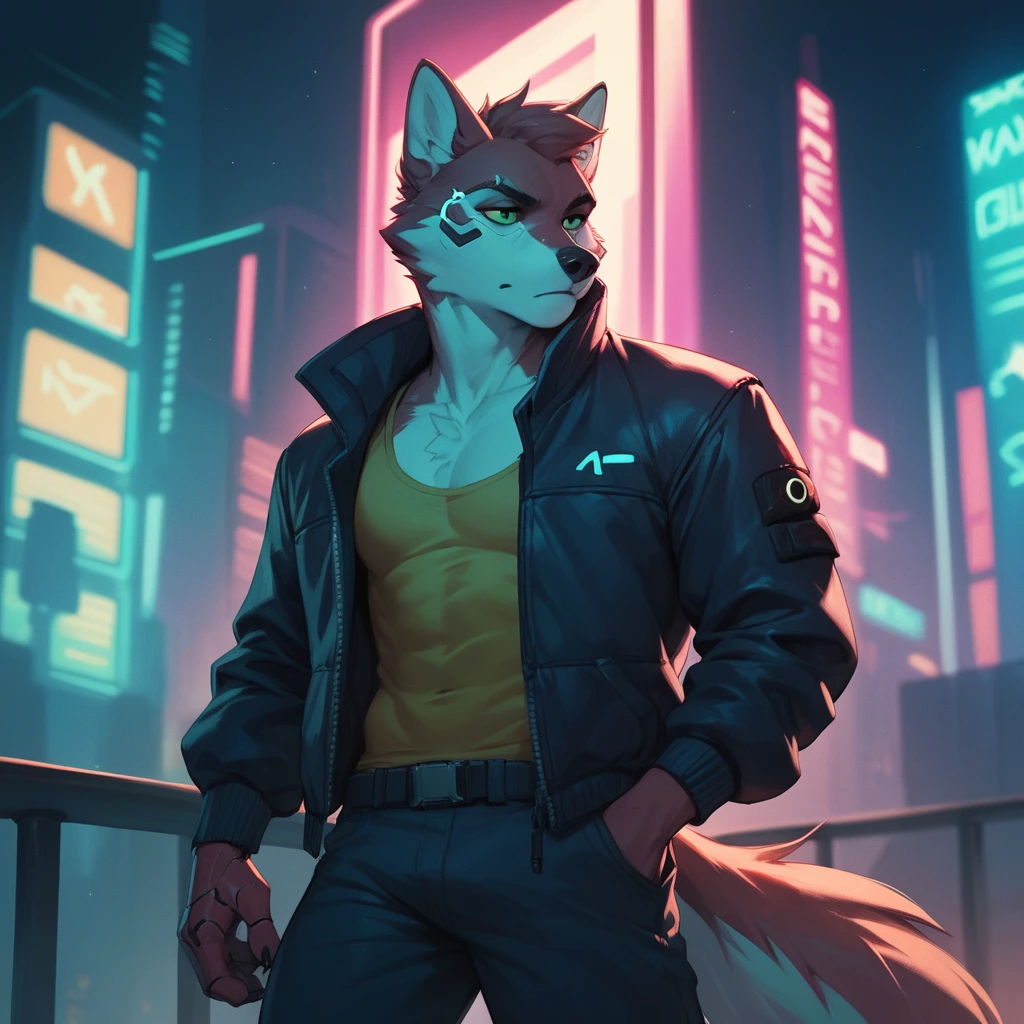
Furry art is expected to become even more integrated into mainstream digital media in the future. With the increasing popularity of virtual worlds, gaming avatars, and digital identity systems, anthropomorphic characters are likely to play a bigger role in online expression.
As technology continues to develop, may expand into immersive environments such as VR storytelling and interactive character design. This evolution will further strengthen its position as a modern and adaptable form of creative expression.
Conclusion
Is far more than a visual style—it is a global creative movement built on imagination, identity, and storytelling. From its historical roots in mythology to its modern presence in digital platforms, it has grown into a diverse and expressive form of artistic communication.
Its strength lies in flexibility, allowing artists to design characters that reflect emotions, personalities, and entire fictional worlds. With evolving technology and growing online communities, furry art continues to expand its influence across digital culture. As a result, it stands as a powerful example of how modern art can blend creativity, identity, and technology into a unified artistic experience.