
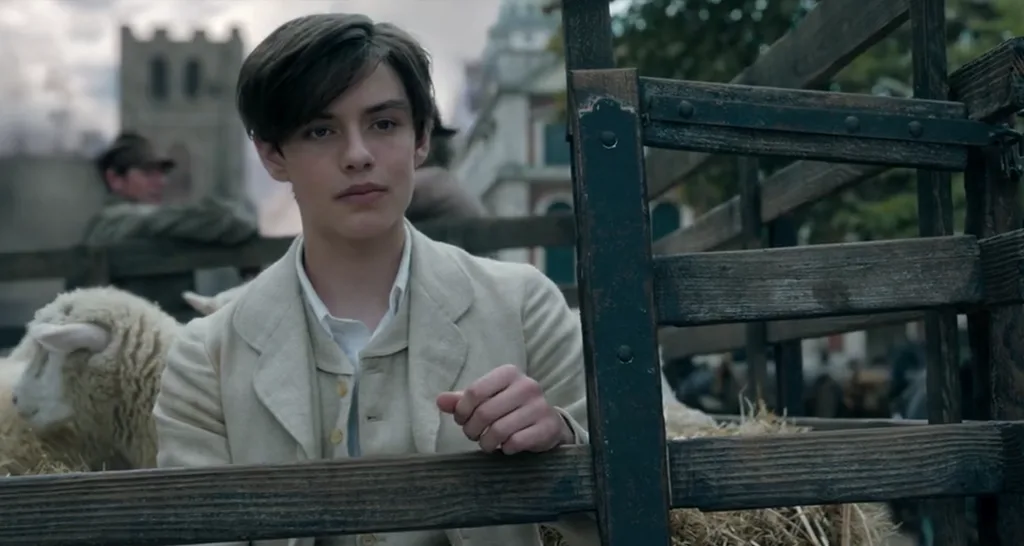
Introduction to Lord Tewksbury in the Enola Holmes Universe
Lord Tewksbury, formally known as Viscount Tewksbury, Marquess of Basilwether, is a fictional character from the Netflix film series Enola Holmes. He is introduced as a young British aristocrat whose life is shaped by tradition, privilege, and political expectation. Despite his noble status, his character is written with emotional vulnerability and independence, making him stand out in a story filled with mystery, reform politics, and detective adventure.
In the Enola Holmes narrative, Tewksbury becomes one of the central figures tied to a dangerous political conspiracy. His storyline is not just about aristocracy but also about personal freedom, identity, and moral courage. These themes connect him closely to Enola Holmes herself, who is also struggling to define her independence in a restrictive Victorian society.
The character gained wide popularity after the release of Enola Holmes (2020) on Netflix. Audiences appreciated his emotional depth, calm personality, and unexpected bravery. Over time, Lord Tewksbury has become one of the most recognizable young characters in modern streaming-era mystery films.
Background and Aristocratic Identity of Lord Tewksbury
Lord Tewksbury comes from a highly influential aristocratic family in Victorian England. As the heir to the Marquess of Basilwether, he is expected to represent the future of his family’s political and social power. This includes responsibilities tied to governance, military service, and participation in the House of Lords.
However, his upbringing is not portrayed as glamorous or fulfilling. Instead, it is restrictive and emotionally heavy. He is pressured to follow a predetermined path that does not align with his personal interests. This conflict between duty and individuality becomes a defining aspect of his character arc throughout the series.
His background also reflects the broader historical structure of British nobility, where young aristocrats were often placed into political roles at a very early age. In this context, Tewksbury’s desire for freedom is not just personal rebellion but also a critique of inherited power systems.
Lord Tewksbury’s Role in Enola Holmes (2020 Film)
In Enola Holmes (2020), Lord Tewksbury is introduced as a runaway noble boy traveling alone on a train. He quickly becomes involved in the story when Enola Holmes, who is also escaping her own family pressures, unexpectedly meets him. Their meeting marks the beginning of a shared journey filled with danger and mystery.
It is soon revealed that Tewksbury is being targeted for assassination due to his political stance. His family is involved in a crucial vote in the House of Lords regarding social reform, which places him at the center of a larger conspiracy. This makes him both a symbolic and literal target of powerful forces who want to control political outcomes.
Throughout the film, Enola becomes responsible for protecting him while also solving the mystery of her missing mother. Their intertwined journeys create a dual narrative structure where personal growth and political intrigue move side by side. Tewksbury’s presence significantly raises the stakes of the story and transforms it from a simple mystery into a high-risk political thriller.
Personality Traits, Symbolism, and Emotional Depth
Lord Tewksbury is characterized by his gentle, thoughtful, and empathetic nature. Unlike traditional depictions of aristocratic heirs, he is not arrogant or dominant. Instead, he is sensitive, observant, and deeply connected to nature, especially flowers and botanical life.
His personality symbolizes emotional freedom in a rigid society. While others around him are focused on power and control, Tewksbury represents softness and individuality. This contrast is intentional and helps highlight the restrictive nature of Victorian aristocracy.
As the story progresses, his emotional depth becomes more visible. He is not simply a passive character in danger but someone actively questioning his identity and future. His fear of becoming someone he does not want to be adds psychological realism to his role, making him relatable to modern audiences.
Relationship Between Enola Holmes and Lord Tewksbury
The relationship between Enola Holmes and Lord Tewksbury is one of the most important emotional threads in the Enola Holmes series. Their connection begins under unusual circumstances but gradually develops through shared danger, trust, and mutual understanding.
Rather than a traditional romance, their relationship is built on emotional support and partnership. Enola helps protect Tewksbury from assassination attempts, while he provides emotional grounding for her as she navigates her search for independence and identity. Their bond is shaped by equality rather than hierarchy.
This dynamic is particularly significant because it avoids stereotypical romantic storytelling. Instead, it focuses on growth, companionship, and mutual respect. Their interactions highlight how young people can influence each other’s development without necessarily following conventional romantic tropes.
Political Conspiracy and Social Themes in His Storyline
Lord Tewksbury’s storyline is deeply connected to political reform and corruption within the British aristocracy. The central conflict involving his character revolves around a vote in the House of Lords that could change labor laws and social conditions in England.
This political backdrop transforms his character from a simple noble heir into a symbol of systemic change. The attempt on his life reflects the resistance of powerful elites who fear reform. In this way, Tewksbury becomes a narrative tool to explore themes of inequality, justice, and power structures.
The film uses his character to highlight how even individuals born into privilege can become victims of political manipulation. This adds complexity to the story and reinforces the idea that social systems affect everyone, regardless of status.
Louis Partridge’s Performance and Character Interpretation
Actor Louis Partridge delivers a defining performance as Lord Tewksbury. His portrayal is subtle, emotionally controlled, and deeply expressive without relying on exaggerated dialogue or action. This acting style suits the character’s introspective personality.
Partridge’s chemistry with Millie Bobby Brown, who plays Enola Holmes, is often highlighted as one of the strongest elements of the film. Their interactions feel natural and balanced, contributing significantly to the emotional impact of the story. This performance helped establish Partridge as a rising actor in the streaming film industry.
Critics and audiences alike have praised his ability to bring softness and realism to a character that could have easily been overshadowed by the film’s mystery elements. His interpretation helps ground the story emotionally and makes Tewksbury a memorable figure in modern adaptation cinema.
Cultural Impact and Audience Reception of Lord Tewksbury
Since the release of Enola Holmes, Lord Tewksbury has gained strong popularity among global audiences. His character resonates particularly with younger viewers who appreciate emotionally expressive and non-traditional male characters.
Online fan communities have embraced him as a symbol of gentle masculinity and emotional intelligence. His personality has inspired discussions about how modern storytelling is shifting away from rigid gender stereotypes toward more emotionally open character designs.
The character’s popularity has also contributed to broader conversations about representation in period dramas. Instead of portraying aristocracy as purely dominant or harsh, Enola Holmes introduces a softer and more emotionally complex perspective through Tewksbury.
Character Development and Evolution in Enola Holmes 2
In Enola Holmes 2, Lord Tewksbury returns in a more mature and independent form. His character shows noticeable growth compared to the first film, especially in terms of confidence and emotional stability. While he is not the central focus, his presence reinforces continuity in Enola’s personal journey.
His development reflects the natural progression of adolescence into early adulthood. He is less uncertain and more aware of his responsibilities, suggesting that his earlier experiences have helped shape his understanding of leadership and identity.
Although his storyline is less central in the sequel, his continued presence indicates that his relationship with Enola remains meaningful. Both characters are shown growing in different directions while still maintaining a respectful and emotionally grounded connection.
Legacy and Importance of Lord Tewksbury in Modern Adaptations

Lord Tewksbury has become an important character in modern streaming-era storytelling because he represents a shift in how young male characters are written in historical fiction. Instead of focusing solely on strength or dominance, his character emphasizes emotional intelligence, vulnerability, and moral awareness.
His role in the Enola Holmes series also demonstrates how supporting characters can significantly enhance a narrative’s emotional and thematic depth. Through him, the story explores issues of political power, identity, and personal freedom in a way that is accessible to modern audiences.
Ultimately, Lord Tewksbury remains a memorable figure because he blends historical context with modern emotional storytelling. His journey reflects the ongoing evolution of character writing in contemporary cinema, where emotional authenticity is valued as highly as traditional heroism.
Conclusion
Lord Tewksbury stands out as one of the most compelling characters in the Enola Holmes series, not because of his noble title, but because of his emotional depth and personal journey. His story reflects the struggle between societal expectations and individual freedom, a theme that resonates strongly with modern audiences. Through his experiences, viewers see a different side of aristocracy—one that is vulnerable, thoughtful, and capable of change.
As the narrative unfolds, Tewksbury evolves from a sheltered runaway into a more self-aware and confident young nobleman. His connection with Enola Holmes adds emotional richness to the storyline, reinforcing themes of trust, independence, and growth. Together, they represent a new generation challenging outdated traditions and shaping their own identities.
Ultimately, Lord Tewksbury’s importance lies in his relatability and symbolic role within the story. He is not just a supporting character but a meaningful part of the narrative’s emotional core. His journey leaves a lasting impression, ensuring that he remains a key figure in the Enola Holmes universe and a standout character in modern mystery storytelling.