


Introduction
Whether you’re planning a vacation, working long hours, recovering from surgery, or simply need someone trustworthy to care for your furry companion, hiring a pet sitter has become one of the most reliable solutions for modern pet owners. Today’s pet parents treat their animals as family members, making it essential to find someone who offers compassionate, dependable, and professional care. A qualified pet sitter provides far more than feeding and walking—they ensure your pet remains comfortable, healthy, and emotionally secure while you’re away.
Finding the right pet sitter can feel overwhelming because every pet has unique needs and every owner’s expectations are different. Dogs require exercise and companionship, cats often need routine and quiet attention, while birds, reptiles, rabbits, and other small pets each have specialized care requirements. This complete guide explains everything you need to know before hiring a pet sitter, including services, pricing, qualifications, benefits, safety considerations, and practical tips that help you make the best decision. By the end, you’ll understand exactly how professional pet sitting works and how to choose a caregiver your beloved companion can trust.
What Is a Pet Sitter and Why Are More Americans Hiring One?
A pet sitter is a professional or experienced caregiver who looks after pets while their owners are away from home. Unlike traditional boarding facilities where animals stay in unfamiliar environments, a pet sitter often visits the owner’s home or temporarily stays there, allowing pets to remain in their familiar surroundings. This approach minimizes stress, preserves daily routines, and helps maintain the emotional well-being of animals that may struggle with changes in environment. Services commonly include feeding, fresh water, exercise, medication administration, litter box cleaning, companionship, playtime, and regular updates for owners.
The popularity of hiring a pet sitter has increased significantly across the United States because today’s lifestyles are busier than ever. Remote work, business travel, family vacations, and demanding schedules have created a growing need for dependable pet care. Many owners also recognize that pets experience less anxiety when they stay at home rather than being placed in crowded kennels. In addition, advances in technology allow sitters to send real-time photos, videos, GPS walk tracking, and daily reports, giving owners peace of mind regardless of where they are. As pets continue to be viewed as cherished family members, personalized in-home care has become the preferred choice for millions of households.
Benefits of Hiring a Professional Pet Sitter
One of the greatest advantages of hiring a professional pet sitter is the personalized attention each pet receives. Every animal has different dietary needs, exercise routines, medications, personalities, and comfort levels. Professional sitters adapt their care according to these individual requirements instead of following a one-size-fits-all routine. Dogs can enjoy familiar walking routes, cats can maintain their favorite sleeping spots, and senior pets receive the extra patience and monitoring they deserve. Personalized care contributes to reduced stress, healthier behavior, and a happier overall experience while owners are away.
Another significant benefit is increased home security. When a pet sitter visits or stays overnight, the property appears occupied, reducing the likelihood of unwanted attention from potential burglars. Many sitters also collect mail, rotate lights, water plants, take out trash bins, and monitor the home’s overall condition. If unexpected issues arise, such as plumbing leaks, power outages, or severe weather damage, the sitter can quickly notify the homeowner and take immediate action. This added level of protection makes hiring a pet sitter beneficial not only for pets but also for the entire household.
Professional pet sitters also provide peace of mind through experience and communication. Reputable caregivers understand animal behavior, recognize signs of illness, and know how to respond during emergencies. Many maintain certifications in pet first aid and CPR while carrying insurance that protects both the owner and the sitter. Frequent updates with photos, videos, and messages reassure owners that their pets are safe, active, and receiving excellent care. This level of transparency builds trust and allows travelers to focus on work or relaxation without constantly worrying about their beloved companions.
Services Offered by a Pet Sitter
A modern pet sitter offers much more than feeding and walking. Most professionals provide customized care packages designed around the unique needs of each household. Daily visits often include fresh food and water, bathroom breaks, exercise, play sessions, litter box maintenance, waste cleanup, grooming, medication administration, and affection tailored to the pet’s personality. Sitters also monitor eating habits, energy levels, and overall health, notifying owners immediately if they notice anything unusual. This proactive approach helps identify potential health concerns before they become serious problems.
Many pet sitters now offer overnight care for pets that experience separation anxiety or require frequent supervision. Overnight stays allow animals to follow their normal routines while enjoying companionship throughout the evening and early morning. Puppies, senior dogs, pets with chronic illnesses, and animals recovering from surgery often benefit greatly from this continuous care. Some sitters even provide specialized services such as puppy training reinforcement, senior pet assistance, transportation to veterinary appointments, bathing, nail trimming, enrichment activities, and extended exercise sessions.
In addition to caring for cats and dogs, experienced pet sitters frequently work with birds, rabbits, guinea pigs, reptiles, fish, ferrets, horses, and other exotic pets. Each species requires unique knowledge regarding nutrition, habitat maintenance, and behavioral needs. A qualified sitter understands these differences and follows detailed care instructions to maintain the pet’s health and comfort. This versatility allows families with multiple types of animals to rely on a single trusted caregiver instead of coordinating separate care providers for each species.
How to Choose the Best Pet Sitter for Your Needs

Selecting the right pet sitter begins with careful research rather than choosing the first available option. Start by identifying your pet’s specific needs, including feeding schedules, exercise requirements, medications, behavioral concerns, and any special accommodations. Once these requirements are clear, compare local professionals based on experience, certifications, client reviews, insurance coverage, availability, and communication style. Reading verified customer testimonials provides valuable insight into reliability, professionalism, punctuality, and the overall quality of care previous clients have received.
Scheduling a meet-and-greet before booking is one of the most important steps in the hiring process. This meeting allows both the owner and the pet to become familiar with the sitter while discussing expectations in detail. Observe how the sitter interacts with your pet, whether they remain calm, patient, and attentive, and how your pet responds to their presence. Positive body language, curiosity, and relaxed behavior often indicate a good match. The meeting also provides an opportunity to review emergency contacts, veterinary information, home access instructions, and daily routines.
It is equally important to ask thoughtful questions during the interview process. Inquire about previous experience with your pet’s breed or species, emergency procedures, medication administration, backup plans if unexpected situations occur, and how often updates will be provided. Professional pet sitters should answer confidently and transparently while demonstrating genuine enthusiasm for animal care. Choosing someone who communicates clearly and understands your concerns creates a strong foundation for a long-term relationship built on trust and reliability.
How Much Does a Pet Sitter Cost in the USA?
The cost of hiring a pet sitter varies depending on your location, the type of pet, the services requested, and the sitter’s experience. Urban areas such as New York City, Los Angeles, Chicago, and San Francisco generally have higher rates than suburban or rural communities because of increased demand and living expenses. Most professional pet sitters charge either per visit, per hour, or per overnight stay. A standard 30-minute visit often ranges from $20 to $35, while 60-minute visits typically cost between $35 and $60. Overnight pet sitting can range from $75 to over $150 per night depending on the level of care required.
Several factors influence pricing beyond the length of the visit. Households with multiple pets may pay additional fees, especially if each animal requires individual attention, medications, or separate exercise sessions. Holiday bookings are also more expensive because professional pet sitters experience peak demand during Thanksgiving, Christmas, New Year’s, spring break, and summer vacations. Specialized care for senior pets, puppies, exotic animals, or pets with medical conditions may increase costs because these situations require additional expertise and time. While pricing may seem higher than boarding in some cases, many owners find the personalized attention and reduced stress well worth the investment.
Choosing the least expensive pet sitter is not always the smartest decision. Professional experience, insurance coverage, reliability, and positive client reviews often provide greater long-term value than simply saving a few dollars. A trustworthy caregiver reduces the likelihood of emergencies, property damage, missed medications, or unnecessary stress for your pet. Many sitters also offer package discounts for recurring visits or extended vacations, making professional care more affordable over time. When evaluating costs, consider the overall quality of service rather than focusing solely on the hourly rate.
Pet Sitter vs Boarding Kennels vs Dog Daycare
Many pet owners struggle to decide whether hiring a pet sitter is better than using a boarding kennel or dog daycare facility. Each option offers distinct advantages, but the best choice depends on your pet’s personality, health, and daily routine. A pet sitter allows animals to remain in their own home, surrounded by familiar smells, favorite sleeping areas, and consistent routines. This environment significantly reduces anxiety for pets that dislike travel or become stressed around unfamiliar animals.
Boarding kennels can be an excellent option for highly social dogs that enjoy interacting with other animals under supervised conditions. Many modern facilities provide spacious accommodations, playgroups, grooming services, and professional staff available throughout the day. However, some pets struggle with loud environments, unfamiliar routines, or separation anxiety. Senior pets, anxious animals, and those recovering from illness often adjust better when cared for at home by a dedicated pet sitter who can focus entirely on their individual needs rather than dividing attention among dozens of animals.
Dog daycare serves an entirely different purpose and is generally designed for daytime supervision rather than overnight care. Owners who work long hours often use daycare several times each week to provide exercise, socialization, and mental stimulation before bringing their pets home in the evening. While daycare offers valuable enrichment for energetic dogs, it does not replace the personalized attention and overnight companionship provided by a professional pet sitter. Understanding these differences helps owners choose the solution that best matches both their schedule and their pet’s emotional and physical well-being.
Qualities Every Great Pet Sitter Should Have
An exceptional pet sitter possesses far more than a simple love for animals. Professionalism, responsibility, patience, and excellent communication skills are equally important. Every visit requires careful attention to detail because pets depend entirely on their caregiver for food, exercise, medication, companionship, and safety. Reliable sitters consistently arrive on schedule, follow written instructions accurately, and immediately report any concerns regarding a pet’s health or behavior. Their ability to remain calm during unexpected situations makes them valuable partners for pet owners seeking dependable care.
Experience with different breeds, personalities, and species also distinguishes outstanding pet sitters from inexperienced caregivers. Every animal behaves differently, and understanding body language helps prevent unnecessary stress or accidents. Confident professionals recognize signs of fear, excitement, illness, aggression, dehydration, or discomfort before they become serious problems. Many continue improving their knowledge through pet first aid courses, CPR certification, veterinary workshops, and continuing education focused on animal behavior. This ongoing learning enables them to provide safer and more effective care for pets with diverse needs.
Trustworthiness remains one of the most important qualities because pet sitters often have unrestricted access to clients’ homes. Reputable professionals value honesty, privacy, and confidentiality while respecting household rules and security procedures. They communicate clearly before, during, and after each visit, providing updates that reassure owners their pets are safe and comfortable. Strong references, verified reviews, insurance coverage, and background checks further demonstrate credibility. When these qualities are combined with genuine compassion for animals, owners gain confidence that both their pets and homes are in excellent hands.
Preparing Your Home and Pet Before the Pet Sitter Arrives
Preparing your home before the pet sitter’s first visit helps ensure a smooth and stress-free experience for everyone involved. Begin by organizing all pet supplies in one easily accessible location, including food, treats, medications, leashes, litter, cleaning supplies, toys, grooming tools, and waste bags. Label medications clearly with dosage instructions and administration times to eliminate confusion. Providing written care instructions alongside verbal explanations gives the sitter a reliable reference throughout the assignment and minimizes the possibility of overlooked details.
Creating a detailed information sheet can significantly improve communication and emergency preparedness. Include your veterinarian’s contact information, emergency veterinary clinic details, preferred emergency contacts, feeding schedules, exercise routines, favorite toys, behavioral quirks, allergies, and any commands your pet understands. Mention habits that may seem minor but are important, such as hiding spots, fears of thunderstorms, reactions to strangers, or special bedtime routines. These details allow the pet sitter to recreate your pet’s normal daily life as closely as possible, reducing stress during your absence.
Home preparation also includes ensuring the environment is safe and secure. Remove hazardous items such as toxic plants, exposed electrical cords, dangerous foods, medications, or small objects that curious pets might swallow. Verify that fences, gates, windows, and doors function properly, and explain any alarm systems or smart home devices the sitter may need to operate. If the sitter will stay overnight, provide Wi-Fi information, appliance instructions, and any household expectations in advance. Thorough preparation not only supports excellent pet care but also helps build a positive working relationship based on clear communication and mutual trust.
Common Mistakes Pet Owners Make When Hiring a Pet Sitter
Many pet owners unintentionally make mistakes that can affect both the quality of care and their overall experience. One of the most common errors is waiting until the last minute to search for a pet sitter. Highly rated professionals often become fully booked weeks or even months before major holidays and vacation seasons. Rushing the selection process leaves little time for interviews, meet-and-greets, or verifying references, increasing the risk of choosing someone who may not be the best fit for your pet.
Another frequent mistake is failing to provide complete information about a pet’s health, personality, or daily routine. Owners sometimes assume certain behaviors are obvious or unimportant, but details such as food allergies, separation anxiety, fear of fireworks, or medication schedules are essential for proper care. Even seemingly minor habits can help a sitter better understand your pet’s needs and avoid unnecessary stress. Honest communication ensures that the sitter is fully prepared to manage both routine situations and unexpected challenges.
Some owners also overlook the importance of having a backup plan. Emergencies such as severe weather, illness, or transportation issues can occasionally prevent a sitter from arriving as scheduled. Professional pet sitters usually have contingency plans or trusted colleagues who can assist if necessary. Discussing these procedures in advance provides additional peace of mind and ensures your pet will never be left without care. Taking time to plan thoroughly helps create a positive experience for both the owner and the caregiver.
Technology and Modern Trends in Pet Sitting
Technology has transformed the pet sitting industry, making it easier than ever for owners to stay connected with their pets while they are away. Many professional pet sitters now use mobile apps that provide real-time visit updates, GPS-tracked walks, feeding confirmations, medication reminders, and photo or video reports. These digital tools offer complete transparency and allow owners to monitor every visit without constantly checking in. Knowing that your pet has been fed, exercised, and cared for exactly as planned creates a level of confidence that was difficult to achieve just a decade ago.
Smart home devices have also become valuable tools for modern pet care. Video doorbells, indoor pet cameras, automatic feeders, smart locks, and climate control systems allow both owners and sitters to work together efficiently. A pet sitter can securely access the home using temporary digital codes while owners can remotely verify visits if desired. Smart feeders and water fountains help maintain consistent routines, while cameras provide reassurance without replacing the personal attention of a qualified caregiver.
Another growing trend is personalized pet care. Rather than offering generic services, many pet sitters now create customized care plans based on a pet’s age, breed, personality, medical history, and activity level. Some specialize in caring for senior pets, puppies, cats, exotic animals, or pets with chronic medical conditions. Others offer enrichment activities, puzzle games, basic training reinforcement, and fitness-focused walks. These specialized services reflect the increasing expectation that pets deserve individualized care similar to other family members.
Is Becoming a Pet Sitter a Good Career?
Pet sitting has evolved from a casual side job into a legitimate profession with growing demand across the United States. As pet ownership continues to increase, more families are seeking dependable caregivers who can provide professional in-home services. This demand creates opportunities for individuals who genuinely enjoy working with animals while building flexible careers or successful small businesses. Many pet sitters begin with part-time clients before expanding into full-time operations through referrals and positive online reviews.
Successful pet sitters develop more than animal care skills. Time management, communication, scheduling, customer service, marketing, bookkeeping, and emergency preparedness all contribute to long-term success. Professionals who invest in certifications, insurance, and ongoing education often stand out in competitive markets. Building trust with clients takes time, but satisfied pet owners frequently become repeat customers and recommend reliable sitters to friends, neighbors, and family members.
Income varies depending on location, experience, services offered, and the number of clients served. Some professionals focus on daily dog walking, while others specialize in overnight care, holiday bookings, or luxury pet services. Entrepreneurs who expand their businesses may eventually hire additional caregivers and manage larger service areas. For individuals who enjoy caring for animals and value flexible working hours, pet sitting can be both financially rewarding and personally fulfilling.
How to Find the Best Pet Sitter Near You
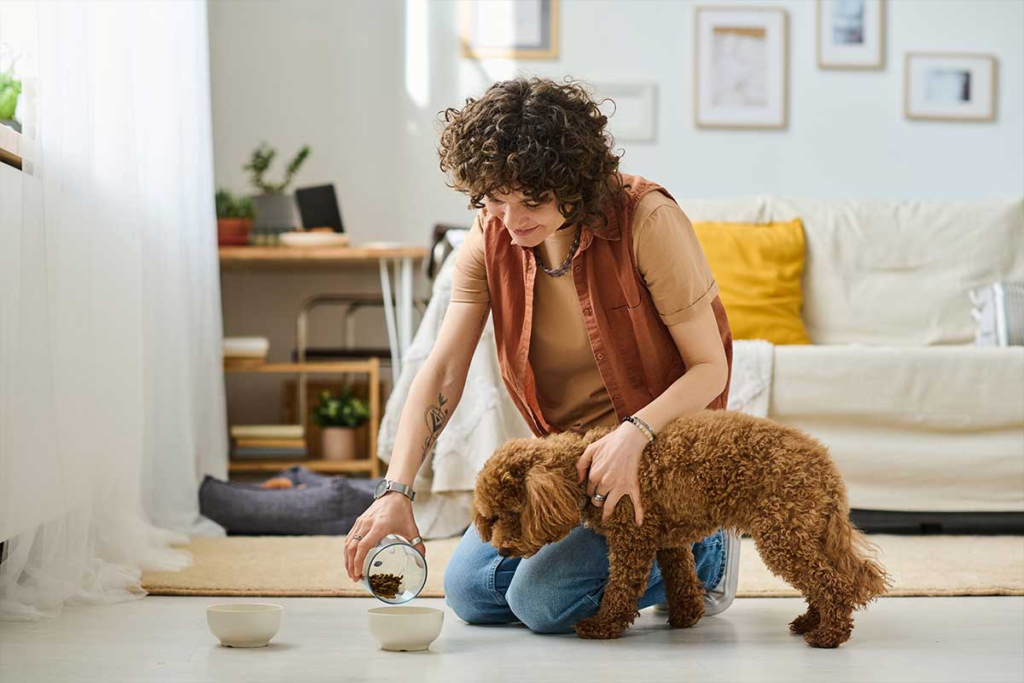
Finding an excellent pet sitter begins with careful research rather than selecting the first available option online. Ask trusted friends, family members, neighbors, veterinarians, groomers, and local pet trainers for recommendations. Personal referrals often provide valuable insights into a sitter’s reliability, professionalism, and overall quality of care. Online reviews can also be helpful when they consistently highlight positive experiences over an extended period rather than relying on only a few recent ratings.
Once you’ve identified several potential candidates, compare their qualifications carefully. Look for experience with your specific type of pet, insurance coverage, background checks, pet first aid training, and clear communication practices. Schedule interviews or meet-and-greets to observe how each sitter interacts with your pet. A good caregiver should remain patient, attentive, and genuinely interested in learning about your pet’s habits, routines, and personality before accepting the assignment.
Trust your instincts throughout the selection process. Your pet’s comfort is often one of the best indicators of whether someone is the right fit. If a sitter appears rushed, dismissive of your concerns, or unwilling to answer questions, continue your search. The ideal pet sitter combines professional qualifications with genuine compassion, creating a relationship that benefits both you and your pet for years to come.
Conclusion
Hiring the right pet sitter is one of the best investments you can make in your pet’s happiness, health, and overall well-being. Professional in-home care allows pets to remain in familiar surroundings while maintaining their normal routines, reducing anxiety and providing personalized attention that many boarding facilities cannot match. Whether you need occasional visits during long workdays or comprehensive overnight care during extended travel, a qualified pet sitter offers peace of mind through reliable, compassionate service.
The key to a successful experience lies in careful preparation and thoughtful selection. Research multiple candidates, verify their qualifications, schedule a meet-and-greet, communicate your expectations clearly, and provide detailed care instructions before leaving home. Taking these steps helps build a trusting relationship that benefits everyone involved, especially your beloved companion.
As technology continues to improve and personalized pet care becomes increasingly popular, professional pet sitting will remain an essential service for millions of American households. By choosing an experienced and dependable caregiver, you can travel, work, or manage life’s responsibilities with confidence, knowing your pet is receiving the love, attention, and expert care they deserve.
Frequently Asked Questions About Pet Sitters
What does a pet sitter do?
A pet sitter cares for pets while their owners are away by providing services such as feeding, walking, playtime, administering medication, cleaning litter boxes, grooming assistance, overnight stays, and monitoring overall health. Many also send daily updates with photos and videos to keep owners informed.
How much does a pet sitter cost in the United States?
Most professional pet sitters charge between $20 and $35 for a 30-minute visit, while overnight stays commonly range from $75 to $150 or more depending on location, experience, and the level of care required. Holiday visits and specialized medical care may cost extra.
Is hiring a pet sitter better than boarding?
For many pets, especially those that experience anxiety or prefer familiar surroundings, hiring a pet sitter is often the better option. Staying at home allows pets to maintain their normal routine while receiving individualized attention, reducing stress and promoting emotional well-being.
How do I know if a pet sitter is trustworthy?
Look for verified customer reviews, professional references, insurance coverage, background checks, pet first aid certification, and clear communication. Scheduling a meet-and-greet before booking is also an excellent way to evaluate whether the sitter is a good match for both you and your pet.
Can a pet sitter administer medication?
Yes. Many experienced pet sitters are comfortable administering oral medications, eye drops, insulin injections, and other prescribed treatments. Always discuss your pet’s medical needs before booking and provide clear written instructions from your veterinarian.
Should I leave detailed instructions for my pet sitter?
Absolutely. Written instructions covering feeding schedules, medications, exercise routines, emergency contacts, veterinarian information, behavioral habits, and household rules help ensure your pet receives consistent care throughout your absence.
How far in advance should I book a pet sitter?
Booking at least two to four weeks in advance is recommended for regular travel. During holidays, school breaks, and summer vacation seasons, booking several months ahead increases your chances of securing your preferred pet sitter.