
Introduction
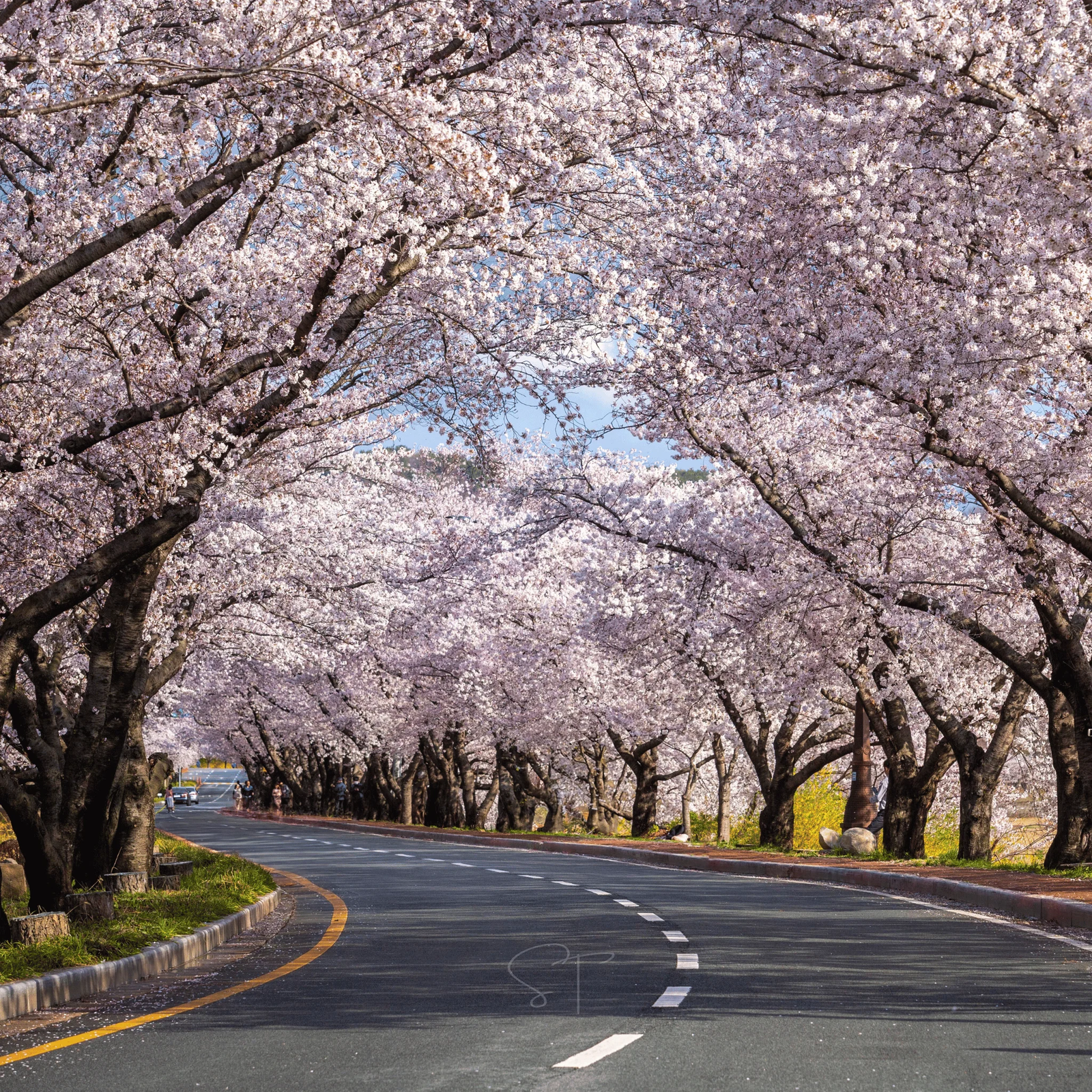
Every spring, the cherry blossom tree transforms ordinary landscapes into breathtaking scenes filled with delicate pink and white flowers. Whether you admire these iconic trees in a public park, dream of planting one in your backyard, or simply want to understand why millions of people celebrate their annual blooms, cherry blossom trees continue to captivate nature lovers across the United States. Their short but spectacular flowering season reminds us to appreciate beauty in the present moment, making them one of the world’s most beloved ornamental trees.
In recent years, interest in the cherry blossom tree has grown significantly among homeowners, landscapers, photographers, and gardening enthusiasts. Social media has showcased stunning blossom-filled streets, inspiring many people to add these elegant trees to their own outdoor spaces. From selecting the perfect variety to understanding bloom timing and seasonal care, there is much more to these ornamental treasures than their beautiful flowers. This comprehensive guide explores everything you need to know about cherry blossom trees, helping you make informed decisions while enjoying one of nature’s most unforgettable displays.
What Is a Cherry Blossom Tree?
A cherry blossom tree is an ornamental flowering tree belonging primarily to the genus Prunus. Unlike fruit-producing cherry trees that are grown for harvesting sweet or tart cherries, most cherry blossom trees are cultivated specifically for their spectacular floral displays. These trees bloom in early spring, producing clouds of delicate flowers before or as their leaves begin to emerge. Their blossoms range from pure white to vibrant shades of pink, depending on the species and cultivar.
The popularity of the cherry blossom tree extends far beyond its appearance. These trees symbolize renewal, hope, beauty, and the fleeting nature of life in many cultures. Their blossoms typically last only one to three weeks, making the blooming season a highly anticipated annual event. Across the United States, communities organize festivals and celebrations that attract thousands of visitors eager to witness the remarkable transformation of parks and gardens into colorful floral landscapes.
The history of cherry blossom trees is closely connected to Japan, where they have been admired for centuries. Over time, their popularity spread throughout Europe and North America. Today, they are widely planted in residential neighborhoods, botanical gardens, university campuses, and public parks because they provide exceptional ornamental value without requiring excessive maintenance once established.
Another reason for their widespread appeal is their adaptability. Many modern cherry blossom varieties perform well in different USDA Hardiness Zones, allowing gardeners from various climates to enjoy their beauty. With proper care and site selection, these trees can become lasting focal points that increase both property value and landscape appeal.
Popular Types of Cherry Blossom Trees
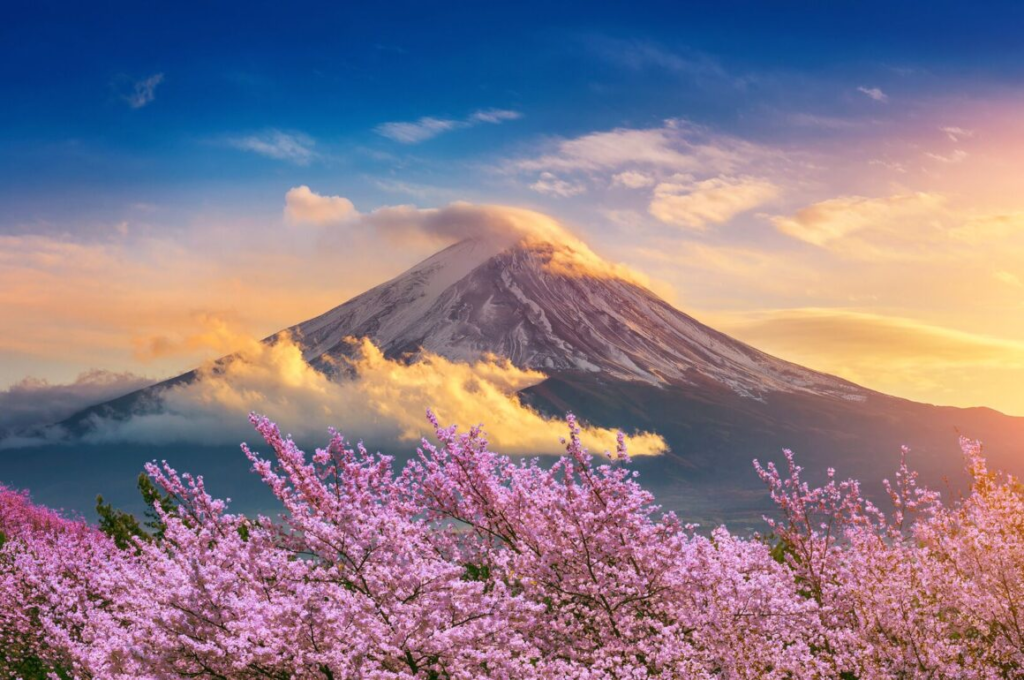
One of the reasons cherry blossom trees remain so popular is the remarkable variety available to homeowners and landscape designers. Different species offer unique flower colors, bloom durations, growth habits, and mature sizes. Choosing the right variety depends on your climate, available space, and desired appearance, making it important to understand the characteristics of the most common ornamental cherries.
The Yoshino cherry is perhaps the most recognizable variety in America. It produces abundant pale pink flowers that gradually fade to white, creating breathtaking displays each spring. This fast-growing tree develops a graceful, rounded canopy that provides seasonal interest even after flowering. Many of the famous cherry blossom tree surrounding Washington, D.C.’s Tidal Basin belong to this celebrated variety, making it one of the most photographed ornamental trees in the country.
Kwanzan cherry trees offer an entirely different visual experience. Their blossoms are deep pink, double-petaled, and exceptionally full, creating dramatic floral clusters that remain attractive for a slightly longer period than many other varieties. Homeowners often choose Kwanzan cherries because of their vibrant color, symmetrical shape, and impressive ornamental value throughout the spring season.
Weeping cherry trees bring elegance to any landscape with cascading branches covered in delicate blossoms. Their graceful appearance makes them ideal specimen trees in front yards, meditation gardens, and decorative landscapes. During peak bloom, the branches appear almost completely hidden beneath masses of flowers, creating a stunning waterfall effect that attracts photographers and garden visitors alike.
Other notable varieties include Okame cherry, Autumn Flowering cherry, Higan cherry, and Sargent cherry. Each variety offers unique blooming periods, growth rates, flower colors, and environmental tolerances. By selecting complementary varieties with different bloom times, homeowners can extend the flowering season and enjoy weeks of spectacular spring color instead of just a few days.
Why Cherry Blossom Trees Are So Popular in the United States
The growing popularity of the cherry blossom tree in the United States reflects more than a simple appreciation for beautiful flowers. Americans increasingly value outdoor living spaces that combine visual appeal with seasonal interest, and cherry blossom trees deliver both in remarkable fashion. Their colorful spring displays create memorable experiences for families while enhancing neighborhoods, parks, and public spaces with minimal long-term maintenance.
Photography has also played a significant role in expanding the appeal of cherry blossom trees. Every spring, countless images of blossom-lined streets, flowering parks, and vibrant gardens circulate across social media platforms. These captivating photographs inspire homeowners to recreate similar landscapes, fueling demand for ornamental cherry varieties in nurseries throughout the country. Professional photographers also schedule seasonal sessions around cherry blossom blooms because they provide naturally stunning backgrounds for portraits, weddings, and family photographs.
Environmental benefits further contribute to their popularity. Mature cherry blossom trees provide shade, moderate local temperatures, improve air quality, and create habitats for birds and beneficial insects. Although their flowering period is relatively short, pollinators such as bees often visit blossoms during early spring when other nectar sources remain limited. This ecological contribution makes them valuable additions to environmentally conscious landscapes.
Another factor behind their widespread appeal is their emotional impact. Cherry blossom season often represents new beginnings after winter, encouraging people to spend more time outdoors. Communities organize festivals, walking tours, picnics, and cultural events beneath blooming trees, transforming public spaces into gathering places filled with celebration and appreciation for nature. These experiences create lasting memories that continue attracting new generations of cherry blossom enthusiasts.
Best Places to Plant a Cherry Blossom Tree
Choosing the ideal planting location is one of the most important decisions for ensuring the long-term health and beauty of a cherry blossom tree. Although these ornamental trees are relatively adaptable, they perform best when planted in locations that receive abundant sunlight, have well-drained soil, and offer sufficient space for mature growth. Proper placement reduces disease risks while encouraging abundant flowering each spring.
Full sun remains the most important requirement for consistent blooming. Most cherry blossom trees thrive when they receive at least six to eight hours of direct sunlight each day. While partial shade may still support healthy growth, excessive shade often reduces flower production and increases susceptibility to fungal diseases. Selecting an open area with good air circulation also helps keep foliage dry after rainfall, minimizing common disease problems.
Soil quality plays an equally significant role in tree health. Cherry blossom trees prefer fertile, moderately moist, well-drained soil with a slightly acidic to neutral pH. Heavy clay soils that retain excessive moisture may contribute to root rot and poor growth. If drainage is inadequate, gardeners often improve soil structure by incorporating organic matter before planting or creating raised planting areas that prevent standing water around the roots.
Adequate spacing should never be overlooked when planning your landscape. Depending on the variety, mature cherry blossom tree may spread between fifteen and thirty feet across. Allowing enough room prevents overcrowding, improves airflow, and ensures the tree develops its natural canopy shape. Planting too close to buildings, driveways, or utility lines can eventually create maintenance challenges as the tree reaches maturity.
Climate compatibility is another essential consideration. Many ornamental cherry trees perform exceptionally well in USDA Hardiness Zones 5 through 8, although certain cultivars tolerate warmer or cooler regions. Selecting a variety suited to your local climate increases the likelihood of healthy growth, reliable flowering, and a longer overall lifespan. By matching the right tree to the right location, homeowners can enjoy decades of spectacular spring blooms while minimizing maintenance requirements.
How to Plant a Cherry Blossom Tree Successfully
Planting a cherry blossom tree correctly is the foundation for decades of healthy growth and spectacular spring blooms. While these ornamental trees are relatively forgiving once established, the first few months after planting are critical. Proper preparation allows the roots to spread efficiently, improves resistance to drought, and encourages vigorous development that supports abundant flowering in future seasons. Taking the time to plant the tree correctly can significantly reduce common problems later.
The ideal time to plant a cherry blossom tree is during early spring or fall when temperatures are moderate and soil moisture is naturally higher. Avoid planting during periods of extreme summer heat or when the ground is frozen in winter. Before digging, select a location that receives full sunlight and has well-drained soil. Dig a hole approximately twice as wide as the root ball but only as deep as the root system itself. Position the tree so the top of the root ball sits level with the surrounding soil. Filling the hole with the original soil, watering thoroughly, and applying a layer of mulch around the base helps conserve moisture while protecting young roots from temperature fluctuations.
Newly planted cherry blossom trees require consistent watering during their first growing season. Deep watering once or twice each week encourages roots to grow downward rather than remaining near the soil surface. Avoid piling mulch directly against the trunk because excess moisture can encourage fungal diseases and bark damage. With proper planting techniques and attentive early care, the tree establishes a strong foundation that supports healthy growth for many years.
Another helpful practice involves staking only when necessary. Trees planted in extremely windy locations may benefit from temporary support during the first year, but excessive staking can weaken trunk development. Once the tree begins growing independently, remove any support materials to encourage natural strength. Healthy establishment during the first year often determines the long-term success of the cherry blossom tree.
Cherry Blossom Tree Care Throughout the Year
Maintaining a cherry blossom tree does not require extensive gardening experience, but consistent seasonal care makes a noticeable difference in flowering quality and overall health. Each season presents different needs, from watering and fertilizing to pruning and monitoring for pests. Understanding this annual cycle helps homeowners enjoy healthier trees with more impressive blooms every spring.
Spring is undoubtedly the most exciting season for cherry blossom trees. As buds begin opening, regular watering becomes especially important if rainfall is limited. Avoid excessive fertilizer during flowering because rapid leaf growth may reduce blossom performance. After flowering finishes, remove fallen petals if desired and inspect the tree for any damaged or diseased branches. Healthy foliage that develops after blooming provides energy for next year’s flowers.
Summer focuses primarily on maintaining adequate soil moisture. Mature cherry blossom trees tolerate short dry periods, but prolonged drought can stress the tree and reduce future blooming potential. Deep watering every week or two during extended dry weather keeps roots healthy without creating overly wet soil. Applying fresh mulch around the drip line also helps regulate soil temperature while suppressing weed growth that competes for nutrients.
Autumn is an ideal time to inspect the tree’s structure and prepare it for winter. Fallen leaves should be removed if disease has been present during the growing season, reducing the likelihood of fungal spores surviving until spring. Light fertilization may be appropriate depending on soil conditions, although excessive nitrogen should be avoided because it encourages tender new growth before winter dormancy.
Winter provides an opportunity for structural pruning while the tree remains dormant. Removing crossing branches, dead wood, and damaged limbs improves air circulation and overall tree shape. Dormant pruning also minimizes stress and reduces sap loss compared to pruning during active growth. Following a consistent seasonal care routine helps ensure that the cherry blossom tree remains healthy, resilient, and visually stunning year after year.
Common Cherry Blossom Tree Problems and How to Prevent Them
Although cherry blossom trees are admired for their beauty, they can occasionally experience health problems if growing conditions become unfavorable. Fortunately, many common issues can be prevented through proper planting, regular maintenance, and early detection. Understanding these potential challenges allows homeowners to respond before minor concerns become serious threats to the tree’s long-term health.
Fungal diseases represent some of the most common problems affecting ornamental cherry trees. Conditions such as leaf spot, powdery mildew, and brown rot often develop when humidity remains high and air circulation is poor. Symptoms may include spotted leaves, white powdery coatings, premature leaf drop, or dying blossoms. Planting trees with adequate spacing, avoiding overhead irrigation, and removing infected plant material greatly reduce the likelihood of fungal outbreaks. Healthy trees with proper airflow generally recover much more effectively than stressed specimens.
Insect pests can also affect cherry blossom trees during the growing season. Aphids, Japanese beetles, scale insects, and caterpillars occasionally feed on leaves, flowers, or young shoots. While light infestations rarely cause lasting damage, severe populations may weaken the tree if left untreated. Encouraging beneficial insects such as ladybugs, monitoring foliage regularly, and using appropriate horticultural treatments when necessary help maintain a healthy ecological balance without excessive chemical intervention.
Environmental stress is another significant factor influencing tree health. Poor drainage, drought, compacted soil, mechanical injuries, and improper pruning can all reduce vigor and increase susceptibility to disease. Avoid damaging the trunk with lawn equipment, provide consistent watering during dry periods, and maintain a protective mulch ring around the base of the tree. Preventive care remains far more effective than treating advanced problems after symptoms become severe.
Root health deserves particular attention because many above-ground symptoms originate below the soil surface. Waterlogged conditions can lead to root rot, while excessively dry soil limits nutrient absorption and weakens growth. Checking soil moisture before watering and ensuring proper drainage protects the tree’s root system throughout the year. Healthy roots provide the foundation for vigorous flowering, strong branch development, and long-term landscape performance.
When Do Cherry Blossom Trees Bloom?
One of the most common questions gardeners ask is exactly when a cherry blossom tree will bloom. The answer depends on several factors, including geographic location, climate, weather patterns, tree variety, and seasonal temperatures. While the flowering period is relatively short, careful planning allows homeowners and visitors to experience the breathtaking beauty at its peak.
Across much of the United States, cherry blossom trees typically bloom between late March and mid-April. Southern regions often experience flowering earlier because warmer temperatures arrive sooner, while northern states may not see blossoms until late April or even early May. A mild winter followed by gradual spring warming generally produces the most spectacular bloom displays. Conversely, unusually warm winters or sudden cold snaps may alter the timing or shorten the flowering season.
The blooming process occurs in several distinct stages. Buds begin swelling as temperatures rise, followed by partially opened flowers and eventually peak bloom, when approximately seventy percent of blossoms are fully open. Peak bloom usually lasts only a few days before petals begin falling, creating the famous pink-and-white carpets beneath the trees. Although individual flowers are delicate, planting multiple varieties with different bloom schedules can extend the overall flowering season in a landscape.
Weather plays an enormous role in determining bloom quality and duration. Cool spring temperatures often prolong flowering, allowing blossoms to remain attractive for up to two weeks or more. Strong winds, heavy rain, or unexpected frosts may shorten the display by causing petals to fall prematurely. Gardeners eagerly monitor local forecasts each spring because even slight weather changes can influence bloom timing.
While flowers receive most of the attention, cherry blossom trees continue providing seasonal beauty after blooming ends. Fresh green leaves emerge during late spring, creating attractive shade throughout summer before transforming into warm yellow, orange, or bronze colors during autumn. This year-round ornamental value makes cherry blossom trees worthwhile investments even beyond their famous spring blossoms.Cherry Blossom Festivals and Their Cultural Importance
Cherry blossom trees are admired not only for their breathtaking appearance but also for the cultural traditions they inspire around the world. Every spring, millions of people gather beneath blooming trees to celebrate the arrival of warmer weather and the beginning of a new season. These festivals have become symbols of community, optimism, and appreciation for nature, attracting visitors from across the United States and beyond.
One of the most famous celebrations is the annual National Cherry Blossom Festival in Washington, D.C. The event commemorates the historic gift of cherry trees from Japan in 1912 and features parades, cultural performances, family-friendly activities, and scenic walks around the blooming trees. The festival has become one of America’s most recognized spring traditions, drawing photographers, gardeners, and tourists who want to experience the spectacular display firsthand.
The cultural significance of cherry blossom trees extends far beyond festivals. In many traditions, the blossoms represent renewal, hope, and the temporary nature of life’s most beautiful moments. Because the flowers bloom brilliantly but only for a short time, they remind people to appreciate the present and enjoy meaningful experiences while they last. This symbolism has inspired countless works of art, literature, music, and photography throughout history.
Many communities across the United States have embraced this tradition by planting cherry blossom trees in parks, schools, neighborhoods, and public gardens. These annual blooms encourage outdoor activities, strengthen community connections, and create memorable experiences for families. Whether enjoyed during a large festival or in a quiet neighborhood park, cherry blossom trees continue to bring people together through their extraordinary seasonal beauty.
Landscaping Ideas Using Cherry Blossom Trees
A cherry blossom tree can become the centerpiece of almost any landscape when thoughtfully incorporated into a garden design. Because these trees provide dramatic spring flowers, attractive summer foliage, and colorful autumn leaves, they offer year-round visual interest that enhances residential and commercial properties alike. Careful planning ensures the tree complements surrounding plants while maximizing its ornamental value.
Many homeowners choose to plant a single cherry blossom tree as a focal point in the front yard. Positioned in an open lawn, the tree becomes an eye-catching feature visible from both the house and the street. During peak bloom, the canopy creates a striking display that instantly increases curb appeal and gives the landscape a refined, welcoming appearance. Decorative landscape lighting can further enhance the tree’s beauty during evening hours.
Cherry blossom trees also pair beautifully with flowering shrubs, ornamental grasses, evergreen hedges, and spring bulbs such as tulips and daffodils. These companion plants create layers of texture and color that extend visual interest throughout the growing season. Stone pathways, benches, water features, and small garden structures placed near the tree provide inviting spaces where family members and guests can relax while enjoying the blossoms.
Larger properties may benefit from planting several cherry blossom varieties together. Since different cultivars bloom at slightly different times, grouping multiple trees extends the flowering season and creates a more dynamic landscape. Whether incorporated into formal gardens, naturalistic settings, or urban green spaces, cherry blossom trees remain among the most versatile ornamental trees available for modern landscape design.
Is a Cherry Blossom Tree Right for Your Garden?
Before purchasing a cherry blossom tree, it is important to determine whether your property can support its long-term growth. Although these trees are relatively easy to maintain, they perform best when their environmental needs are carefully matched with local growing conditions. Evaluating factors such as climate, available space, soil quality, and maintenance expectations helps ensure lasting success.
Homeowners with sunny planting locations and well-drained soil are often excellent candidates for growing cherry blossom trees. Most varieties prefer moderate climates and perform especially well in USDA Hardiness Zones 5 through 8. If your region experiences extremely hot summers or harsh winters, selecting a cultivar specifically adapted to local conditions improves the likelihood of healthy growth and reliable flowering each spring.
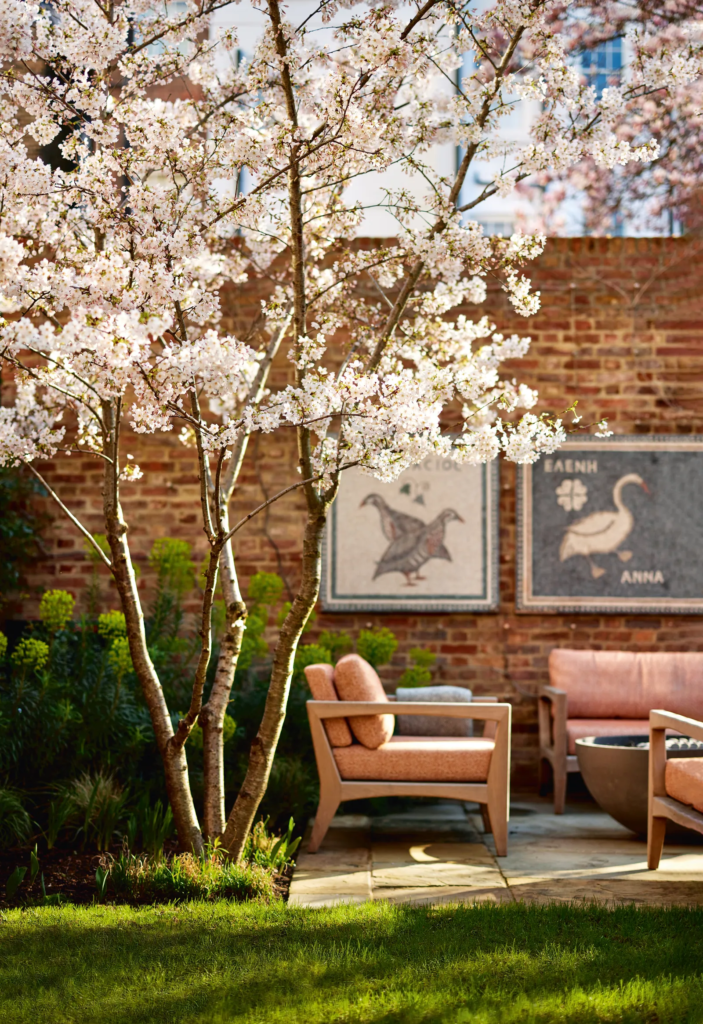
Space is another important consideration. Depending on the variety, mature cherry blossom trees may reach heights between fifteen and forty feet with equally impressive canopy spreads. Providing adequate room prevents overcrowding while allowing the tree to develop its naturally graceful shape. Proper spacing also improves airflow, reducing disease pressure and making future maintenance much easier.
If you value seasonal beauty, wildlife attraction, and increased landscape appeal, a cherry blossom tree is an outstanding investment. While the flowering season lasts only a short time, the tree’s elegant structure, attractive foliage, and vibrant autumn colors provide year-round enjoyment. With thoughtful planning and consistent care, it can remain one of the most treasured features of your landscape for decades.
Conclusion
The cherry blossom tree has earned its reputation as one of the world’s most admired ornamental trees through its remarkable combination of beauty, symbolism, and seasonal elegance. Each spring, its delicate blossoms transform ordinary landscapes into unforgettable displays that inspire photographers, gardeners, and nature enthusiasts alike. Beyond its visual appeal, the tree represents renewal, hope, and the appreciation of life’s fleeting yet meaningful moments.
Whether you are considering planting your first cherry blossom tree or simply want to learn more about these extraordinary flowering trees, understanding their varieties, care requirements, blooming habits, and landscaping potential will help you enjoy their beauty for many years. By selecting the right variety, providing proper growing conditions, and following consistent maintenance practices, you can create a landscape that bursts into spectacular color every spring while adding lasting value to your outdoor space.
From residential gardens to famous public parks, cherry blossom trees continue to captivate people across the United States. Their timeless elegance ensures they remain one of the most rewarding ornamental trees for homeowners seeking beauty, tranquility, and unforgettable springtime memories.
Frequently Asked Questions
What is the best time to plant a cherry blossom tree?
The best time to plant a cherry blossom tree is during early spring or fall. Cooler temperatures and moderate soil moisture allow roots to establish before the stress of extreme summer heat or winter cold. Planting during these seasons greatly improves long-term growth and flowering success.
How long does a cherry blossom tree bloom?
Most cherry blossom trees remain in bloom for one to two weeks, although cool weather may extend the display slightly. Rain, strong winds, and unusually warm temperatures can shorten the blooming period by causing petals to fall more quickly.
Do cherry blossom trees produce edible cherries?
Most ornamental cherry blossom trees are grown specifically for their flowers rather than fruit. While some varieties may produce small cherries, they are often bitter, sparse, or unsuitable for eating. Fruit-producing cherry trees are different cultivars selected primarily for harvest.
How fast does a cherry blossom tree grow?
Growth rates vary depending on the species and environmental conditions, but many cherry blossom trees grow between one and two feet per year. Proper sunlight, fertile soil, and consistent watering during establishment encourage healthy, steady growth.
Can cherry blossom trees grow in small yards?
Yes. Several compact and dwarf varieties are well suited for smaller landscapes. Choosing an appropriately sized cultivar allows homeowners with limited space to enjoy the beauty of cherry blossoms without overcrowding their garden.
Are cherry blossom trees difficult to maintain?
Cherry blossom trees are considered moderately easy to maintain. Regular watering during establishment, occasional pruning, seasonal inspections, and proper planting conditions are usually sufficient to keep the tree healthy and encourage abundant blooms each spring.