
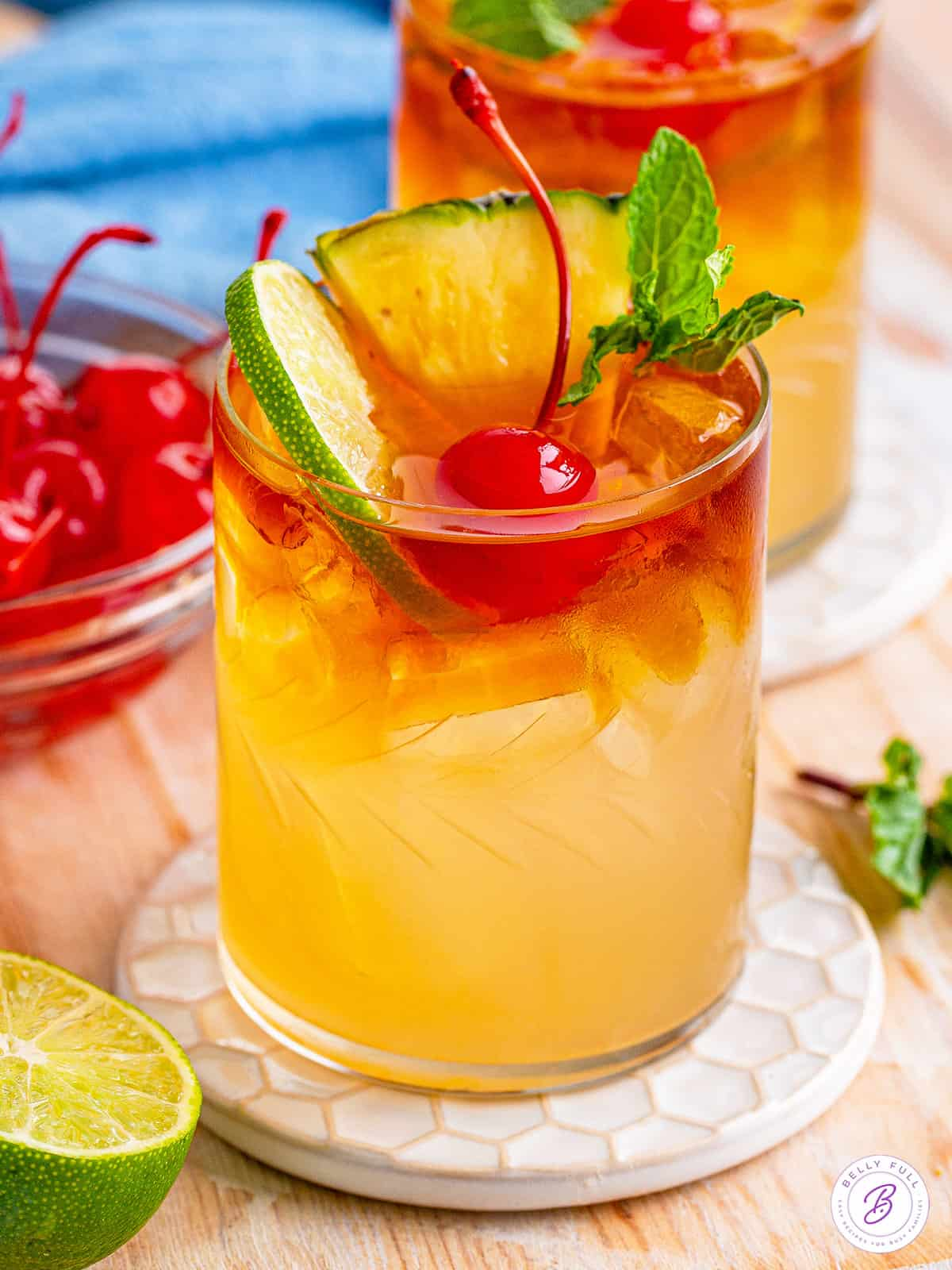
Introduction
The Mai Tai is much more than a colorful tropical cocktail served with fruit garnishes and tiny umbrellas. It has become one of the world’s most recognizable mixed drinks, representing island vacations, beachside relaxation, and the rich culture of tiki cocktails. Whether you’re planning a summer gathering, exploring classic rum cocktails, or simply curious about the origins of this legendary drink, understanding the Mai Tai opens the door to a fascinating world of flavor, history, and craftsmanship.
Despite its popularity, many people misunderstand what a true Mai Tai actually is. Countless restaurants and bars serve sweet, brightly colored versions loaded with fruit juice, yet the authentic recipe is surprisingly balanced and sophisticated. The original drink celebrates quality rum, fresh citrus, and carefully selected liqueurs rather than overwhelming sweetness. Learning the difference between an authentic and its commercial variations helps cocktail lovers appreciate why this drink has remained a timeless favorite for generations.
This complete guide explores everything you need to know about the, including its fascinating history, authentic ingredients, flavor profile, variations, serving techniques, food pairings, and expert tips. Whether you are a beginner or an experienced cocktail enthusiast, this guide will help you discover why the Mai Tai continues to rank among America’s most beloved tropical cocktails.
What Is a Mai Tai and Why Has It Become So Popular?
The Mai Tai is a classic rum-based cocktail traditionally made with aged rum, fresh lime juice, orange curaçao, orgeat syrup, and simple syrup. Unlike many modern tropical drinks that rely heavily on pineapple juice or artificial flavors, the authentic focuses on balancing the natural richness of premium rum with bright citrus and subtle almond sweetness. This elegant combination creates a refreshing yet complex cocktail that appeals to both casual drinkers and cocktail connoisseurs.
One reason the Mai Tai has remained popular for decades is its versatility. It works equally well at backyard barbecues, beach vacations, upscale cocktail lounges, and home entertaining. The drink offers tropical flavors without becoming overly sugary, making it enjoyable throughout the year rather than only during summer. Its beautiful presentation, refreshing taste, and connection to tiki culture have made it a staple on cocktail menus across the United States and around the world.
Another factor behind the lasting success is its adaptability. Bartenders continue experimenting with premium aged rums, regional ingredients, seasonal garnishes, and creative twists while preserving the drink’s essential identity. As cocktail culture continues to evolve, the Mai Tai remains a benchmark for balanced tropical mixology, proving that classic recipes never truly go out of style.
The Fascinating History Behind the Original Mai Tai
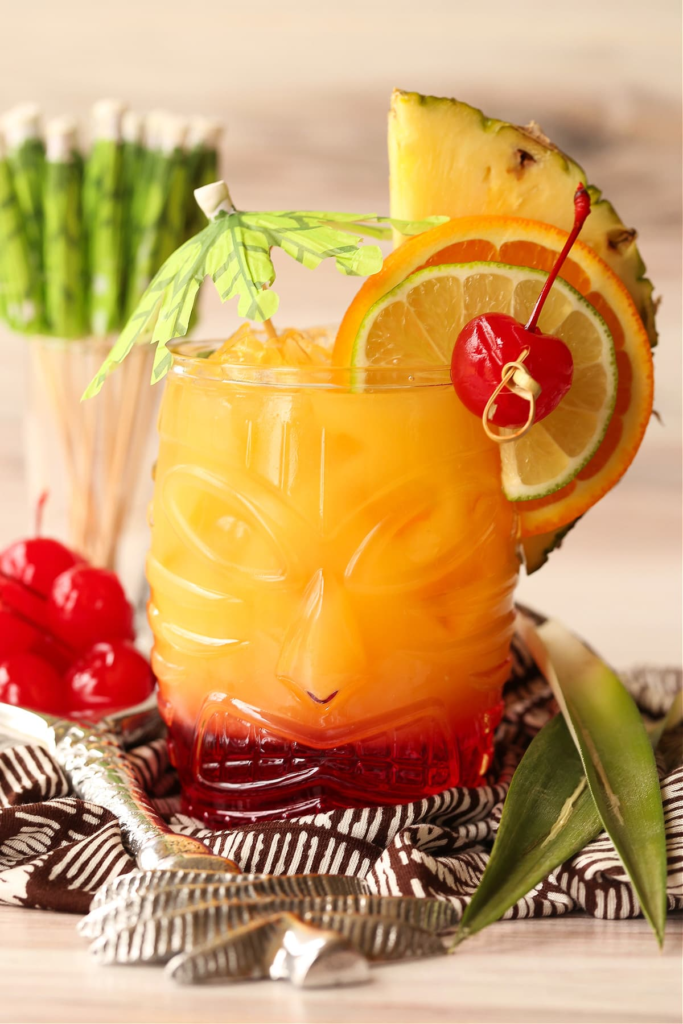
The story of the Mai Tai is filled with friendly rivalry, colorful personalities, and decades of debate. Most cocktail historians credit Victor J. Bergeron, better known as Trader Vic, with creating the original Mai Tai in Oakland, California, during the 1940s. According to the popular story, Trader Vic crafted the drink for visiting friends from Tahiti who were so impressed by its flavor that one exclaimed, “-Roa Ae,” meaning “out of this world” or “the best” in Tahitian. The phrase eventually became shortened to simply.
Not everyone agrees with this version of events. Another famous tiki pioneer, Don the Beachcomber, also claimed to have created a similar rum cocktail years earlier. The debate has continued among cocktail enthusiasts for decades, making the Mai Tai one of the most discussed drinks in cocktail history. Although historians still examine the evidence, Trader Vic’s recipe has generally become recognized as the authentic version served by many respected cocktail bars today.
The gained widespread popularity after travelers discovered tiki restaurants throughout California and Hawaii during the post-World War II tourism boom. As Hawaiian vacations became increasingly popular among Americans, the cocktail became associated with luxury resorts, oceanfront dining, and exotic island experiences. Over time, countless variations appeared, some staying true to the original while others evolved into sweeter fruit-forward drinks designed for mass appeal.
The Authentic Mai Tai Ingredients That Make All the Difference
Every outstanding Mai Tai begins with carefully selected ingredients that complement one another instead of competing for attention. The heart of the cocktail is aged rum, which provides rich notes of vanilla, caramel, oak, tropical fruit, and warm spices. Many experienced bartenders blend different styles of rum to create greater depth and complexity, allowing each sip to reveal multiple layers of flavor.
Fresh lime juice plays an equally important role because it adds vibrant acidity that balances the sweetness of the other ingredients. Freshly squeezed juice offers a crisp brightness impossible to achieve with bottled alternatives. Orange curaçao contributes delicate citrus notes and subtle bitterness, while orgeat syrup introduces a smooth almond flavor that distinguishes the Mai Tai from countless other rum cocktails. A small amount of simple syrup helps fine-tune the sweetness without overwhelming the drink.
Ice quality also matters more than many people realize. Crushed ice chills the cocktail rapidly while providing gentle dilution that softens the rum’s intensity. Traditional garnishes such as fresh mint and a spent lime shell enhance both aroma and visual presentation. Together, these seemingly simple ingredients create remarkable harmony, demonstrating why the original Mai Tai has earned its reputation as a masterpiece of classic cocktail craftsmanship.
How the Flavor Profile of a Mai Tai Creates Perfect Balance
One of the defining characteristics of a well-made Mai Tai is its extraordinary balance. Instead of relying on excessive sweetness, the cocktail delivers an elegant interplay between rich rum, tart citrus, nutty almond, and fragrant orange liqueur. The result is a drink that feels refreshing yet full-bodied, making it suitable for both casual sipping and serious cocktail appreciation.
The first sip usually reveals the bright freshness of lime juice before gradually transitioning into the warm complexity of aged rum. Notes of caramel, toasted oak, baking spices, tropical fruit, and vanilla emerge naturally depending on the rum selection. The orgeat syrup softens the acidity with gentle almond richness, while the orange curaçao ties everything together with subtle citrus sweetness and aromatic depth.
This balanced flavor profile explains why experienced bartenders often consider the Mai Tai a true test of cocktail-making skill. Every ingredient must remain in proportion because even slight adjustments can dramatically change the final result. When prepared correctly, no single flavor dominates. Instead, each component contributes to a harmonious drinking experience that remains refreshing from the first sip to the last.
Common Myths About the Mai Tai That Still Confuse Cocktail Lovers
Many people assume a Mai Tai must contain pineapple juice, orange juice, grenadine, or coconut cream because these ingredients frequently appear in modern tropical cocktails. In reality, the authentic Mai Tai contains none of these additions. These sweeter adaptations became popular over time as restaurants sought to create visually colorful drinks that appealed to vacation crowds, but they differ significantly from the original recipe.
Another widespread misconception is that the Mai Tai should taste extremely sweet. While sweetness certainly plays a supporting role, the authentic cocktail emphasizes balance rather than sugar. Premium rum remains the star ingredient, supported by fresh lime and carefully measured liqueurs. Excessive syrups or fruit juices can easily mask the rum’s natural complexity, reducing the drink’s elegance and authenticity.
Some cocktail enthusiasts also believe expensive rum alone guarantees an exceptional Mai Tai. Although quality rum certainly improves the drink, balance, fresh ingredients, proper measurements, and thoughtful preparation remain equally important. Even outstanding spirits cannot compensate for stale citrus juice or poorly balanced proportions. The best Mai Tai reflects craftsmanship as much as ingredient quality, rewarding careful attention to every detail.
How to Make a Classic Mai Tai at Home Like a Professional Bartender
Making a classic Mai Tai at home is easier than many people expect, but achieving restaurant-quality results requires attention to detail. The authentic recipe depends on fresh ingredients, proper measurements, and quality rum rather than complicated techniques. Investing in a few premium cocktail ingredients can dramatically improve the finished drink, allowing home bartenders to recreate the balanced flavors that have made the Mai Tai famous for generations.
A traditional Mai Tai typically combines aged rum, fresh lime juice, orange curaçao, orgeat syrup, and a small amount of simple syrup. The ingredients are shaken with ice until thoroughly chilled before being poured over crushed ice in a rocks glass. Many bartenders float a small amount of dark rum on top to add aroma and visual appeal, although this step is optional depending on personal preference. Fresh mint and a spent lime shell complete the presentation, adding fragrance that enhances the drinking experience before the first sip.
The biggest mistake beginners make is substituting bottled lime juice or inexpensive flavored syrups. Fresh citrus provides brightness that bottled alternatives cannot match, while authentic orgeat syrup delivers the signature almond flavor essential to the cocktail. Measuring each ingredient carefully also matters because even small adjustments can upset the drink’s delicate balance. Once the fundamentals are mastered, preparing a consistently excellent Mai Tai becomes a rewarding part of any home cocktail repertoire.
The Best Rum Choices for an Authentic Mai Tai
Rum is unquestionably the soul of the Mai Tai, making its selection one of the most important decisions when preparing the cocktail. Aged rum is traditionally recommended because barrel aging develops rich flavors such as caramel, vanilla, oak, dried fruit, baking spices, and toasted sugar. These characteristics give the Mai Tai its depth while complementing the citrus and almond notes rather than overpowering them.
Many experienced bartenders enjoy blending two or more styles of rum instead of relying on a single bottle. Combining a Jamaican rum with a Martinique agricole rum or another well-aged Caribbean rum can create remarkable complexity, allowing each sip to reveal new layers of flavor. This technique has become popular among cocktail enthusiasts because it closely reflects the spirit of early tiki bartending, where creative rum blends were often used to achieve distinctive taste profiles.
Choosing premium rum does not necessarily mean purchasing the most expensive bottle available. Instead, selecting a rum known for balance, character, and quality generally produces better results than simply paying a higher price. Exploring different rum-producing regions also allows drink lovers to personalize their Mai Tai while appreciating how subtle differences in production methods influence the final cocktail. Over time, experimenting with various combinations becomes part of the enjoyment of mastering this classic tropical drink.
Popular Mai Tai Variations That Offer a Fresh Twist
Although the original Mai Tai remains the gold standard, creative variations continue to attract cocktail enthusiasts who enjoy exploring new flavor combinations. Some bartenders introduce additional tropical fruits, while others experiment with infused syrups, alternative citrus varieties, or distinctive rum blends. These adaptations allow the Mai Tai to remain relevant in modern cocktail culture without losing the balanced foundation that made it famous.
One popular variation includes fresh passion fruit, adding fragrant sweetness and vibrant acidity that complements aged rum beautifully. Others incorporate blood orange, grilled pineapple, mango, or guava to create seasonal interpretations suited to summer gatherings and tropical celebrations. Some mixologists even use smoked ingredients or barrel-aged components to produce a richer, more sophisticated version designed for experienced cocktail drinkers seeking something unique.
Health-conscious consumers have also inspired lighter Mai Tai recipes that reduce sugar while preserving the drink’s signature flavor. Bartenders may decrease the amount of simple syrup, use naturally sweet citrus, or emphasize premium rum to maintain balance with fewer added sweeteners. Non-alcoholic Mai Tai-inspired beverages have grown increasingly popular as well, using fresh fruit juices, almond syrup, botanical mixers, and alcohol-free spirits to capture the tropical character without the rum. These modern interpretations ensure the Mai Tai continues evolving while respecting its celebrated heritage.
When to Serve a Mai Tai and the Best Food Pairings
The Mai Tai is remarkably versatile, making it suitable for countless occasions throughout the year. While many people associate it with summer vacations and tropical beaches, the cocktail works equally well at backyard cookouts, holiday gatherings, dinner parties, poolside celebrations, and relaxed evenings with friends. Its refreshing citrus notes make it especially enjoyable in warm weather, yet the richness of aged rum also provides comforting warmth during cooler seasons.
Food pairings play an important role in elevating the Mai Tai experience. Grilled seafood such as shrimp, mahi-mahi, tuna, or salmon complements the cocktail’s citrus brightness while allowing the rum’s complexity to shine. Hawaiian-inspired dishes, Caribbean cuisine, and Polynesian flavors naturally pair well because their fresh herbs, tropical fruits, and savory marinades echo the drink’s island-inspired character. Light appetizers featuring coconut, ginger, sesame, or fresh herbs also create memorable combinations that highlight the cocktail without overwhelming it.
For dessert, the Mai Tai pairs exceptionally well with treats that feature caramel, toasted coconut, almonds, citrus, pineapple, or dark chocolate. These complementary flavors reinforce the cocktail’s layered profile while providing a satisfying finish to a meal. Whether served alongside elegant cuisine or casual outdoor dining, the Mai Tai demonstrates why it remains one of the most adaptable cocktails in modern entertaining, appealing to a wide variety of tastes and occasions.
Why the Mai Tai Continues to Be a Favorite in Modern Cocktail Culture
The Mai Tai has survived changing trends, evolving drinking preferences, and decades of experimentation because it offers something timeless: exceptional balance. While many cocktails enjoy brief popularity before fading from menus, the Mai Tai has remained a staple in cocktail bars, beach resorts, tiki lounges, and home bars across the United States. Its enduring appeal comes from its ability to satisfy both newcomers looking for a refreshing tropical drink and experienced enthusiasts seeking a well-crafted classic.
The rise of craft cocktail culture has also contributed to the Mai Tai’s renewed popularity. Bartenders have returned to authentic recipes, emphasizing premium rum, freshly squeezed lime juice, quality orange curaçao, and traditional orgeat syrup instead of overly sweet shortcuts. Social media has further fueled interest by showcasing beautifully presented Mai Tais garnished with fragrant mint and fresh lime, inspiring people to recreate the drink at home. As consumers become more interested in cocktail history and premium ingredients, the Mai Tai continues to attract new generations of fans.
Tips for Making the Perfect Mai Tai Every Time
Consistency is one of the most important aspects of preparing an outstanding Mai Tai. Even when using premium ingredients, small mistakes in preparation can significantly affect the final flavor. Measuring ingredients accurately with a jigger helps maintain the proper balance between sweetness, acidity, and the bold character of the rum. Professional bartenders rarely estimate quantities because precision produces consistently excellent cocktails.
Freshness also makes a noticeable difference. Lime juice should always be squeezed immediately before mixing because citrus begins losing its bright flavor soon after being cut. Mint used as a garnish should be fresh and aromatic rather than wilted, and crushed ice should be prepared just before serving to provide optimal chilling and gradual dilution. These details may seem minor individually, but together they transform an ordinary cocktail into an exceptional one.

Experimenting thoughtfully is another valuable tip. While the authentic Mai Tai recipe provides an excellent foundation, trying different aged rums or carefully blending complementary styles can create unique flavor experiences without sacrificing authenticity. Keeping notes about favorite combinations allows home bartenders to refine their recipes over time and discover the version that best suits their personal taste.
Conclusion
The Mai Tai remains one of the world’s most iconic tropical cocktails because it perfectly balances tradition, flavor, and versatility. Although many modern variations exist, the authentic recipe continues to stand out for its elegant combination of aged rum, fresh lime juice, orange curaçao, orgeat syrup, and simple syrup. Rather than relying on excessive sweetness, it showcases the complexity of quality rum while delivering a refreshing and memorable drinking experience.
Its fascinating history, lasting popularity, and adaptability have secured the Mai Tai’s place among the greatest classic cocktails ever created. Whether enjoyed at a beachfront resort, crafted by an experienced mixologist, or prepared in your own kitchen, the drink represents the artistry of balanced cocktail making. Understanding its origins, ingredients, and preparation techniques allows anyone to appreciate why the Mai Tai has remained a favorite for decades.
As interest in premium cocktails continues to grow, the Mai Tai is likely to remain at the forefront of tropical mixology. By choosing quality ingredients, following authentic techniques, and embracing the drink’s rich heritage, you can enjoy a cocktail that truly lives up to its legendary reputation. Whether you are entertaining guests or relaxing after a long day, the Mai Tai offers a timeless taste of the tropics that never goes out of style.
FAQs
What is a Mai Tai made of?
A traditional Mai Tai is made with aged rum, fresh lime juice, orange curaçao, orgeat syrup, simple syrup, and crushed ice. It is typically garnished with fresh mint and a spent lime shell. Unlike many commercial versions, the authentic recipe does not include pineapple juice or orange juice.
Is a Mai Tai a strong cocktail?
Yes, a Mai Tai is generally considered a moderately strong cocktail because rum is its primary ingredient. However, its balanced blend of citrus and almond flavors makes the alcohol taste smooth rather than overpowering.
Does an authentic Mai Tai contain pineapple juice?
No. The original Mai Tai recipe does not include pineapple juice. Pineapple became associated with later tropical variations, but the classic cocktail focuses on rum, lime, orange curaçao, orgeat syrup, and simple syrup.
Which rum is best for a Mai Tai?
Aged Caribbean rum is the traditional choice, although many bartenders blend different aged rums to achieve greater depth and complexity. Jamaican rum is especially popular because of its rich, fruity, and slightly funky character.
Why is orgeat syrup important in a Mai Tai?
Orgeat syrup provides the signature almond flavor that distinguishes the Mai Tai from other rum cocktails. It adds subtle sweetness, texture, and complexity while balancing the acidity of fresh lime juice.
Can you make a non-alcoholic Mai Tai?
Yes. A non-alcoholic version can be made using alcohol-free rum alternatives, fresh lime juice, orange-flavored mixers, almond syrup, and tropical fruit flavors. While it differs from the classic cocktail, it still delivers a refreshing tropical experience.
What foods pair best with a Mai Tai?
The Mai Tai pairs exceptionally well with grilled seafood, Hawaiian dishes, Caribbean cuisine, barbecue, tropical fruit desserts, coconut-based treats, and citrus-flavored sweets. Its refreshing acidity and rich rum flavors complement a wide variety of savory and sweet foods.