

Introduction
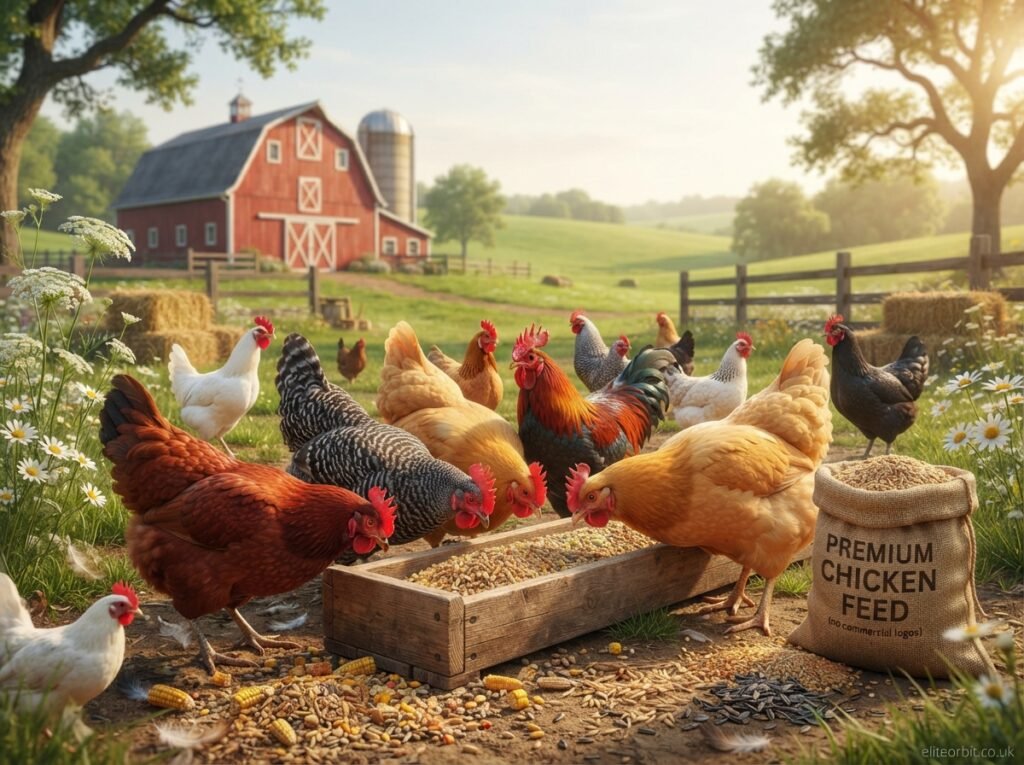
Whether you keep a few hens in your backyard or manage a larger flock on a small farm, choosing the right chicken feed is one of the most important decisions you can make. Feed directly affects egg production, growth, feather quality, immune health, and even the lifespan of your birds. With countless feed options available today, from organic blends to medicated starter feeds and homemade recipes, it is easy to feel overwhelmed when trying to decide what is best for your chickens.
The good news is that understanding chicken nutrition does not have to be complicated. Once you learn how different types of chicken feed work and how nutritional needs change as birds grow, you can confidently provide a balanced diet that supports strong, healthy chickens throughout every stage of life. Good nutrition not only improves flock performance but also helps reduce disease risks, minimize waste, and lower long-term feeding costs.
This complete guide explains everything you need to know about chicken feed, including the different feed types, essential nutrients, feeding schedules, common mistakes, storage tips, and practical strategies used by experienced poultry keepers across the United States. Whether you are raising laying hens, broilers, chicks, or mixed flocks, this guide will help you make informed feeding decisions that keep your birds thriving.
Understanding Chicken Feed and Why It Matters
Chicken feed is much more than simply giving birds something to eat. It is a scientifically balanced combination of grains, proteins, vitamins, minerals, fats, amino acids, and other nutrients formulated to meet specific nutritional requirements. Every ingredient serves a purpose, helping chickens build muscle, produce eggs, develop feathers, strengthen bones, and maintain a healthy immune system. Commercial feed manufacturers carefully formulate these diets to ensure birds receive consistent nutrition every day.
Many first-time chicken owners assume birds can survive by eating kitchen scraps or scratching around the yard. While chickens certainly enjoy insects, weeds, seeds, and leftover vegetables, these foods alone rarely provide complete nutrition. A balanced chicken feed remains the foundation of a healthy diet because it supplies essential nutrients in the correct proportions. Without proper nutrition, chickens may experience slow growth, poor egg production, brittle eggshells, feather loss, weakened immunity, or behavioral problems such as feather pecking.
Quality feed also improves efficiency. Healthy birds convert feed into eggs or body weight more effectively, reducing waste and lowering overall production costs. Backyard flock owners often notice brighter feathers, more active behavior, stronger eggshells, and consistent laying patterns after switching to higher-quality feed. Investing in nutritious chicken feed ultimately saves money by preventing nutritional deficiencies and expensive health problems.
Environmental conditions also influence nutritional needs. Chickens living in cold northern climates often require additional energy during winter, while birds exposed to extreme summer heat may consume less feed and need easier access to fresh water and nutrient-dense diets. Understanding these seasonal changes helps poultry keepers adjust feeding programs to maintain flock health year-round.
Essential Nutrients Found in Quality Chicken Feed
Every complete chicken feed contains a carefully balanced blend of nutrients designed to support healthy development. Protein is perhaps the most recognizable nutrient because it builds muscles, feathers, organs, and body tissues. Growing chicks require significantly higher protein levels than mature laying hens because their bodies are developing rapidly. Broiler chickens also need protein-rich diets to support efficient weight gain during relatively short production cycles.
Energy primarily comes from grains such as corn, wheat, barley, oats, sorghum, and other cereal ingredients. These carbohydrates fuel daily activities including walking, scratching, maintaining body temperature, and producing eggs. Without sufficient energy, chickens become lethargic and may lose weight or reduce egg production. However, excessive energy intake can lead to obesity, which negatively affects reproductive performance and overall health.
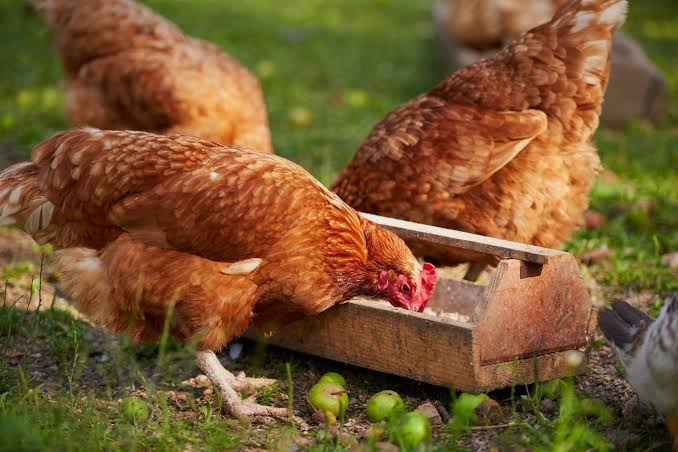
Calcium plays an especially important role for laying hens because each eggshell contains a significant amount of this mineral. Quality layer feeds include additional calcium sources such as limestone or oyster shell to support strong shells and healthy bones. Birds lacking adequate calcium often produce thin-shelled or shell-less eggs while also drawing calcium from their own skeletons, increasing the risk of fractures.
Phosphorus works together with calcium to strengthen bones, while vitamins A, D, E, and K contribute to immune function, vision, reproduction, and blood clotting. B vitamins support metabolism and nervous system function, while trace minerals including zinc, manganese, selenium, iron, and copper assist numerous biological processes. Amino acids such as lysine and methionine are equally essential because chickens cannot produce enough of them naturally. Modern commercial feeds carefully balance these nutrients to maximize bird health without unnecessary supplementation.
Healthy fats are another valuable component of premium chicken feed. Besides providing concentrated energy, dietary fats improve nutrient absorption, enhance feather condition, and contribute to overall vitality. Many quality feeds include vegetable oils or animal fats to maintain appropriate energy levels while also improving the texture and palatability of the feed.
Types of Chicken Feed for Every Stage of Growth
Not all chicken feed is created equal because chickens have different nutritional needs throughout their lives. Feeding the wrong formula at the wrong stage may reduce growth, delay maturity, or interfere with egg production. Understanding each feed type allows poultry owners to match nutrition with the bird’s age and purpose.
Starter feed is specifically designed for newly hatched chicks from their first day until approximately six to eight weeks of age, depending on the manufacturer. These feeds usually contain higher protein levels, often between eighteen and twenty-two percent, to support rapid development. Many starter feeds are available in medicated and non-medicated versions. Medicated starter feeds help reduce the risk of coccidiosis in young chicks, particularly when birds are raised on the ground or in environments where this disease is common.
Grower feed becomes appropriate after chicks outgrow starter feed. During this stage, birds continue developing muscle, bones, and feathers but no longer require the extremely high protein levels found in starter diets. Grower feed provides balanced nutrition while preventing excessive calcium intake before hens begin laying eggs. Feeding layer feed too early can place unnecessary stress on developing kidneys because of its elevated calcium content.
Layer feed is formulated specifically for hens that have started laying eggs, generally around eighteen to twenty-four weeks of age depending on breed. These diets typically contain about sixteen percent protein along with significantly higher calcium concentrations to support consistent eggshell production. High-quality layer feeds help maintain egg quality, shell strength, reproductive health, and long-term productivity.
Broiler feed is another specialized category formulated for meat-producing chickens. These feeds focus on rapid muscle development, efficient feed conversion, and healthy weight gain. Broiler diets often progress through starter, grower, and finisher phases, each containing carefully adjusted nutrient levels that maximize growth while supporting skeletal development.
Flock raiser feed has become increasingly popular among backyard poultry enthusiasts who keep chickens of different ages or multiple poultry species together. Instead of offering separate feeds to each group, flock raiser formulas provide balanced nutrition suitable for most birds, while laying hens receive supplemental calcium through free-choice oyster shells. This feeding approach simplifies flock management while ensuring every bird receives appropriate nutrition.
Choosing Between Pellets, Crumbles, Mash, and Whole Grains
One of the first choices poultry keepers encounter is deciding which physical form of chicken feed best suits their flock. Although nutrient composition may be similar, pellets, crumbles, mash, and whole grains each offer unique advantages depending on bird age, feeding behavior, and management style.
Pelleted chicken feed is widely recommended because every pellet contains a uniform mixture of nutrients. Birds cannot selectively eat their favorite ingredients while ignoring others, ensuring balanced nutrition with every meal. Pellets also reduce feed waste because chickens are less likely to scatter them onto the ground compared with loose mash. Many commercial egg producers rely on pelleted diets because they improve feeding efficiency and support consistent production.
Crumbles are essentially broken pellets that create smaller particles suitable for younger birds or smaller breeds. Chicks generally find crumbles easier to consume than full-sized pellets, allowing them to eat comfortably while still receiving balanced nutrition. Many poultry owners transition birds from starter crumbles to adult pellets as chickens mature and develop stronger beaks.
Mash feed consists of finely ground ingredients mixed into a loose meal. Although mash has been used successfully for generations, chickens often waste more of it by scratching through feeders. Some birds may also selectively consume preferred ingredients unless the mash is carefully formulated. Despite these disadvantages, mash remains popular among owners who mix custom feed recipes or prefer traditional feeding methods.
Whole grains provide valuable variety and encourage natural foraging behavior, but they should not replace complete chicken feed. Corn, wheat, oats, barley, and scratch grain mixes can be offered as occasional treats, particularly during colder months when birds benefit from additional energy. However, excessive grain feeding may dilute essential nutrients and reduce egg production because chickens fill up on lower-protein foods instead of consuming their balanced ration.
Many experienced poultry keepers combine high-quality commercial feed with controlled amounts of healthy treats, fresh greens, insects, and forage opportunities. This balanced approach satisfies chickens’ natural curiosity while ensuring they continue receiving complete nutrition from their primary feed. Moderation remains the key to maintaining both bird health and consistent productivity.
Organic vs. Conventional Chicken Feed: Which One Is Better?
Choosing between organic and conventional chicken feed is one of the most common questions among backyard chicken keepers and small-scale farmers. Both options can support healthy birds when they are properly formulated, but they differ in how the ingredients are grown, processed, and regulated. The best choice depends on your budget, management style, personal values, and long-term goals for your flock.
Organic chicken feed is produced using ingredients grown without synthetic pesticides, genetically modified organisms (GMOs), or most artificial fertilizers. Organic poultry feed also follows strict production standards, making it appealing to people who prioritize natural farming practices and environmentally friendly agriculture. Many backyard flock owners believe organic feed contributes to healthier birds and better-tasting eggs, although scientific studies generally show that balanced nutrition matters more than whether the feed is organic or conventional.
Conventional chicken feed, on the other hand, is more widely available and usually costs significantly less than certified organic products. Modern conventional feeds are carefully formulated by poultry nutrition experts to meet the nutritional requirements established for different life stages. High-quality conventional feeds can provide excellent performance, strong egg production, healthy growth, and consistent results when purchased from reputable manufacturers.
For many American families raising chickens as a hobby, conventional feed offers an affordable balance between nutrition and cost. Those selling organic eggs or following organic farming principles may prefer certified organic feed despite the higher price. Regardless of the option chosen, reading ingredient labels carefully remains more important than focusing solely on the organic label. A balanced feed with quality protein sources, essential vitamins, minerals, and amino acids will almost always outperform a poorly formulated product, regardless of its certification.
Some poultry keepers also choose non-GMO feeds as a middle ground. These products avoid genetically modified ingredients while remaining more affordable than fully certified organic feeds. As consumer interest in sustainable agriculture continues to grow across the United States, manufacturers now offer a wider range of specialized feed options designed to meet different farming philosophies and nutritional goals.
The Best Ingredients Found in Premium Chicken Feed
Reading a chicken feed label may seem intimidating at first, but understanding the ingredient list helps you select products that truly support flock health. Premium chicken feed starts with high-quality energy sources such as corn, wheat, sorghum, oats, or barley. These grains provide carbohydrates that fuel daily activity, maintain body temperature, and support egg production. Energy is especially important during colder months when chickens burn additional calories staying warm.
Protein ingredients deserve close attention because they directly influence growth, feather quality, and egg production. Soybean meal remains one of the most common protein sources due to its excellent amino acid profile, but many premium feeds also incorporate sunflower meal, peas, fish meal, or canola meal. These ingredients help ensure chickens receive essential amino acids such as methionine and lysine, which are critical for healthy development.
Healthy fats improve both energy density and nutrient absorption. Vegetable oils, flaxseed, and certain natural fat sources contribute to glossy feathers, healthier skin, and improved overall condition. Some premium feeds even include omega-3 fatty acids that may enhance the nutritional value of eggs produced by laying hens.
Mineral supplements such as limestone, dicalcium phosphate, and oyster shell provide calcium and phosphorus needed for strong bones and durable eggshells. Vitamins are equally important because they support immune function, metabolism, reproduction, and overall vitality. Modern feed manufacturers carefully balance these micronutrients to reduce the likelihood of nutritional deficiencies.
Many premium chicken feeds now include probiotics, prebiotics, digestive enzymes, and yeast cultures that promote gut health. A healthy digestive system allows chickens to absorb nutrients more efficiently while supporting natural immune defenses. Some specialized feeds also contain marigold extract for brighter egg yolks or herbal ingredients intended to support digestive health. Although these additions are not always essential, they reflect the growing emphasis on comprehensive poultry nutrition.
Avoid feeds containing excessive fillers, unnecessary artificial colors, or ingredients with little nutritional value. While lower-priced products may seem attractive initially, investing in better-quality feed often leads to healthier birds, lower veterinary costs, improved egg production, and greater overall satisfaction.
How Much Chicken Feed Does a Chicken Need Each Day?
One of the biggest mistakes new chicken owners make is either overfeeding or underfeeding their flock. Chickens generally regulate their own food intake quite well when provided with balanced feed and constant access to clean water. However, understanding average consumption helps poultry keepers estimate feed costs, monitor flock health, and identify unusual eating patterns that may indicate illness.
Most adult laying hens consume approximately one-quarter pound of feed each day, which equals about one-half cup to three-quarters of a cup depending on feed density and bird size. Larger heritage breeds may eat slightly more, while bantam chickens naturally require smaller portions. Meat chickens often consume considerably more feed because they are bred for rapid growth and efficient weight gain.
Young chicks begin eating only tiny amounts during their first few days but gradually increase consumption as they grow. Because chicks develop quickly, they should always have unrestricted access to fresh starter feed. Restricting feed during early development can permanently affect growth, feather development, and future productivity.
Seasonal conditions significantly influence feed intake. Chickens usually eat more during winter because maintaining body temperature requires additional energy. In contrast, extremely hot summer weather often reduces appetite as birds attempt to avoid generating extra body heat through digestion. During heat waves, providing cool fresh water, shade, and feeding during the cooler morning or evening hours encourages better feed consumption.
Egg production also affects nutritional demands. Active laying hens require more nutrients than non-laying birds because producing eggs consumes substantial protein, calcium, vitamins, and energy. If hens suddenly decrease feed intake while egg production declines, it may signal stress, disease, parasites, poor feed quality, or environmental changes that deserve further investigation.
Monitoring your flock daily allows you to notice changes before they become serious problems. Healthy chickens are enthusiastic eaters with bright eyes, smooth feathers, and active behavior. Any sudden reduction in appetite should prompt closer observation and, if necessary, consultation with a poultry veterinarian.
Homemade Chicken Feed vs. Commercial Chicken Feed
Many poultry enthusiasts enjoy making homemade chicken feed because it offers complete control over ingredients and allows customization based on individual flock needs. Homemade diets often include whole grains, cracked corn, wheat, oats, peas, sunflower seeds, fish meal, kelp, alfalfa, flaxseed, and mineral supplements. Preparing feed at home can also be rewarding for people who prioritize self-sufficiency or sustainable farming practices.
Despite these advantages, creating a nutritionally balanced homemade feed is far more challenging than many people realize. Chickens require precise levels of protein, amino acids, vitamins, minerals, calcium, phosphorus, sodium, and numerous trace nutrients. Even small deficiencies may not become noticeable immediately but can gradually reduce egg production, weaken immune function, impair skeletal development, or shorten the productive life of the flock.
Commercial chicken feed is developed by poultry nutritionists using years of research, laboratory testing, and feeding trials. Manufacturers continually adjust formulas based on ingredient quality, nutritional science, and production goals to provide consistent results. For most backyard flock owners, commercial feed remains the safest and most reliable foundation for daily nutrition because it minimizes the risk of accidental deficiencies.
A practical compromise involves using commercial feed as the primary diet while supplementing it with healthy natural foods. Fresh vegetables, leafy greens, herbs, pumpkins, berries, mealworms, black soldier fly larvae, watermelon, cucumbers, squash, and occasional fruits can enrich the chickens’ environment without replacing balanced nutrition. These treats provide variety while encouraging natural foraging behaviors that improve mental stimulation.
If you decide to prepare homemade chicken feed regularly, consulting an experienced poultry nutritionist is highly recommended. Balanced formulations require careful calculations that consider ingredient nutrient content, digestibility, bird age, production goals, and seasonal changes. Simply mixing grains together rarely provides complete nutrition, even if the birds appear healthy initially.
Many experienced poultry keepers successfully combine both approaches by feeding commercial rations year-round while incorporating homegrown vegetables and occasional homemade grain mixes as supplemental enrichment rather than complete diets.
Seasonal Chicken Feeding Tips for a Healthy Flock All Year
Every season brings unique challenges that affect your flock’s nutritional requirements. Adjusting your chicken feed strategy throughout the year helps maintain consistent egg production, supports immune health, and keeps birds comfortable during changing weather conditions. While a balanced commercial feed should remain the foundation of the diet, small seasonal adjustments can make a noticeable difference in flock performance.
During the winter months, chickens burn more calories to maintain their body temperature. As a result, they often consume more feed than they do during warmer seasons. Providing unrestricted access to a quality layer or flock feed allows birds to meet these increased energy demands naturally. Many poultry keepers also offer a small amount of scratch grains in the late afternoon, giving chickens additional energy to stay warm overnight. However, treats should never replace complete feed because birds still require balanced protein, vitamins, and minerals throughout the colder months.
Summer presents an entirely different challenge. High temperatures can reduce appetite, causing chickens to consume fewer nutrients just when they need them most. Fresh, cool water becomes even more important than feed during periods of extreme heat. Placing water containers in shaded areas, refreshing them several times a day, and feeding birds early in the morning or later in the evening can encourage better intake. Hydrating treats such as watermelon, cucumbers, and leafy greens can also provide enrichment while helping birds stay cool.
Spring is often associated with increased egg production, feather growth, and greater outdoor activity. Chickens spend more time foraging for insects, grasses, and seeds, which naturally supplement their diet. Although free-ranging provides valuable nutrition, birds should still have constant access to complete chicken feed to ensure they receive balanced levels of protein, calcium, and essential vitamins.
Autumn marks another important transition as chickens prepare for colder weather and many adult birds experience molting. Molting requires significant protein because new feathers consist largely of protein. During this period, poultry owners may temporarily choose feeds with slightly higher protein levels or provide protein-rich treats such as mealworms or black soldier fly larvae in moderation. Supporting birds through molt helps them recover more quickly while maintaining strong feather quality before winter arrives.
Common Chicken Feeding Mistakes and How to Avoid Them
Even experienced poultry keepers occasionally make feeding mistakes that affect flock health and productivity. Fortunately, most problems are preventable with proper planning, observation, and a basic understanding of poultry nutrition. Recognizing these common errors can help you avoid unnecessary expenses and keep your chickens thriving throughout the year.
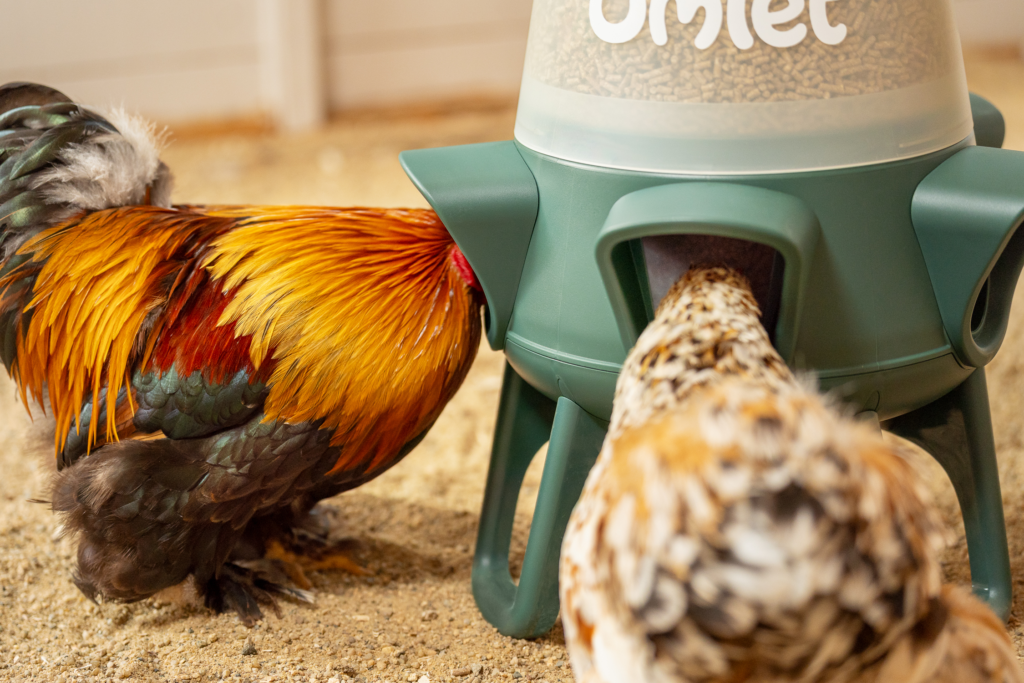
One of the biggest mistakes is feeding too many treats. Chickens eagerly consume bread, corn, fruits, and kitchen scraps, making it tempting to spoil them with extras every day. However, excessive treats dilute the nutritional balance provided by complete feed. When chickens fill up on low-protein snacks, they often consume fewer essential nutrients, leading to reduced egg production, poor feather condition, and potential vitamin deficiencies. A good rule is to keep treats to no more than about ten percent of the overall diet.
Another common mistake involves using the wrong feed for a bird’s age or purpose. Feeding layer feed to young chicks exposes them to unnecessary calcium, while providing grower feed to laying hens may result in weak eggshells because of inadequate calcium intake. Matching feed formulas to each stage of development ensures birds receive the nutrients they need without excesses that could create health problems.
Improper feed storage is another issue that often goes unnoticed. Chicken feed should be kept in airtight containers placed in a cool, dry location away from moisture, rodents, insects, and direct sunlight. Moldy or spoiled feed can contain harmful toxins that seriously affect poultry health. Purchasing reasonable quantities and rotating older feed before opening new bags helps maintain freshness and nutritional quality.
Some owners also overlook the importance of fresh water. Chickens cannot properly digest feed without adequate hydration, and even brief periods without water can reduce egg production and increase stress. Water containers should be cleaned regularly to prevent algae, bacteria, and contamination. During freezing weather, heated waterers may be necessary, while summer requires more frequent refilling to keep water cool and appealing.
Finally, many people ignore changes in appetite until birds become visibly sick. Healthy chickens usually eat consistently, so sudden decreases in feed consumption should always prompt closer observation. Monitoring daily feeding behavior allows poultry keepers to detect illness, parasites, environmental stress, or nutritional issues before they become serious.
How to Store Chicken Feed for Maximum Freshness
Buying quality chicken feed is only part of the equation. Proper storage is equally important because exposure to moisture, pests, heat, and air gradually reduces nutritional value while increasing the risk of contamination. Fresh feed not only tastes better to chickens but also provides more consistent levels of vitamins and essential nutrients.
Feed should always be stored in tightly sealed metal or heavy-duty plastic containers designed to keep out rodents and insects. Mice and rats consume feed, contaminate it with droppings, and may spread disease throughout the flock. Keeping containers elevated off the floor also improves air circulation while reducing the risk of moisture damage in garages, sheds, or barns.
Temperature plays a significant role in preserving feed quality. Excessive heat accelerates the breakdown of vitamins and natural fats, causing feed to become stale more quickly. A cool, dry storage area away from direct sunlight helps maintain freshness for longer periods. Although commercial feed often has a relatively long shelf life, purchasing only what your flock can consume within several weeks generally provides the best nutritional value.
Always inspect feed before filling feeders. Fresh chicken feed should have a clean grain aroma and appear dry without clumps or discoloration. Any signs of mold, unusual odors, insect infestations, or moisture indicate the feed should be discarded immediately. Feeding spoiled grain can expose chickens to dangerous mycotoxins that affect digestion, immunity, reproduction, and overall health.
Practicing a simple first-in, first-out rotation system helps prevent older feed from sitting unused for extended periods. Labeling containers with purchase dates makes it easy to use older bags first while maintaining a consistent supply of fresh feed throughout the year.
Conclusion
Choosing the right chicken feed is one of the most important investments you can make in the long-term health and productivity of your flock. Whether you raise a handful of backyard hens for fresh eggs or manage a larger group of poultry, balanced nutrition influences every aspect of chicken health, from growth and feather quality to egg production, immunity, and longevity. Understanding how nutritional requirements change throughout each stage of life allows you to make confident feeding decisions that benefit both your birds and your budget.
The best feeding program combines high-quality commercial feed with proper management, clean water, responsible treat feeding, and careful observation of your flock. Seasonal adjustments, correct storage practices, and selecting age-appropriate feed formulas all contribute to healthier chickens and more consistent performance. By focusing on complete nutrition rather than shortcuts or trends, poultry keepers can enjoy stronger birds, higher-quality eggs, and fewer health problems for years to come.
As backyard chicken keeping continues to grow across the United States, access to premium chicken feed options has never been better. Taking the time to understand feed labels, nutrient requirements, and best feeding practices will help ensure your flock remains active, productive, and healthy in every season.
FAQs
What is the best chicken feed for laying hens?
Layer feed containing approximately 16% protein and added calcium is generally the best choice for laying hens. It provides the nutrients needed for consistent egg production while supporting strong eggshells, healthy bones, and overall flock health.
How much chicken feed does one hen eat per day?
Most adult laying hens consume around one-quarter pound of feed daily, which is roughly one-half to three-quarters of a cup depending on breed, body size, weather conditions, and activity level.
Can chickens survive on kitchen scraps alone?
No. While chickens enjoy fruits, vegetables, grains, and leftovers, kitchen scraps do not provide complete nutrition. A balanced commercial chicken feed should always make up the majority of the diet, with treats offered only in moderation.
Is organic chicken feed worth the extra cost?
Organic chicken feed can be worthwhile for owners who prefer organic farming practices or plan to produce organic eggs. However, both organic and conventional feeds can support excellent flock health when they are nutritionally balanced and made with quality ingredients.
What foods should chickens never eat?
Avoid feeding chickens chocolate, avocado pits and skins, raw potatoes, uncooked dried beans, moldy foods, spoiled feed, excessive salty foods, alcohol, caffeine, and anything contaminated with chemicals or pesticides. These items may cause digestive problems or serious health issues.