
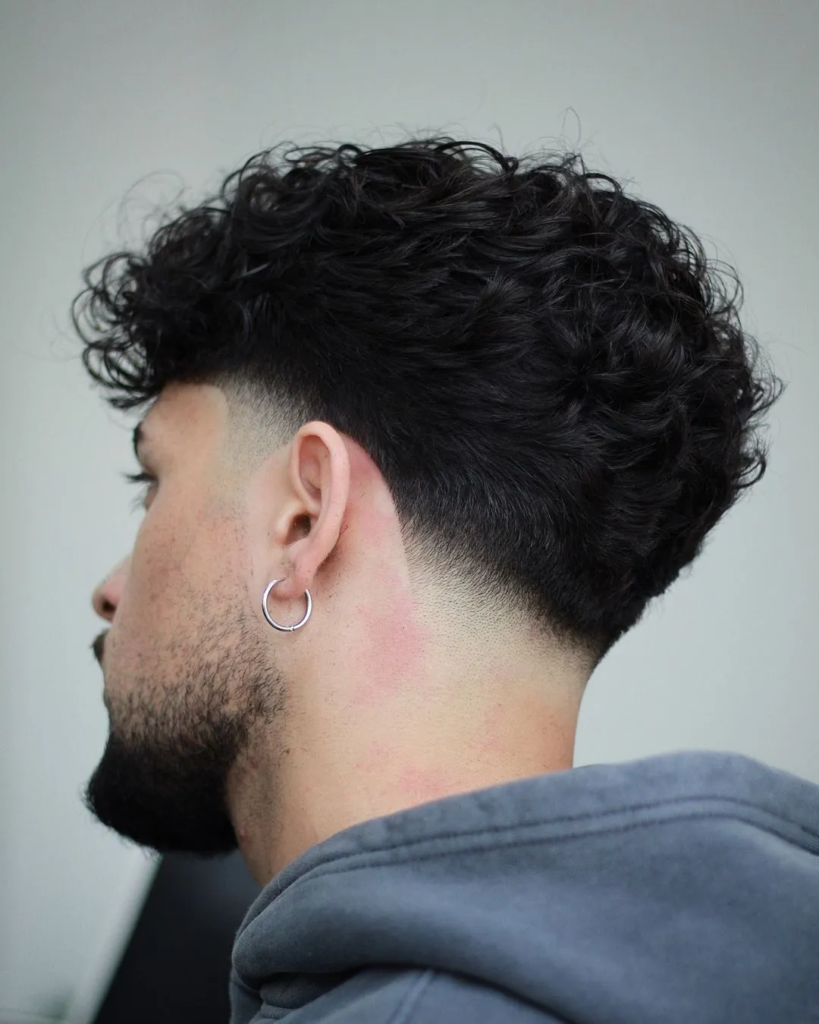

Understanding the High Taper Haircut
The high taper haircut is one of the most recognizable and modern men’s hairstyles in today’s grooming culture. It is defined by a gradual fade that begins higher on the head, usually around the temples, and slowly blends down toward the neckline. This creates a sharp contrast between the longer hair on top and the tightly faded sides, giving the overall look a clean and structured appearance.
What makes the high taper haircut especially popular is its balance between boldness and simplicity. It is not as subtle as a low taper, yet not as extreme as a full skin fade. Instead, it sits in a versatile middle space that allows men to maintain a polished look while still expressing personal style. The higher starting point of the taper gives the haircut a more noticeable shape, which naturally enhances facial structure.
In modern barber culture, the high taper is considered a foundation style. It works across different trends, from classic professional cuts to more street-style inspired looks. Because of its adaptability, it has become a common request in barbershops worldwide, especially among younger men who want a fresh and clean aesthetic without overly complicated maintenance.
History and Evolution of Taper Haircuts
The concept of tapering hair is not new and has deep roots in traditional barbering. Early versions of tapered cuts were mainly focused on cleanliness and discipline, especially in military grooming standards. Hair was gradually shortened around the edges to maintain a neat and uniform appearance. Over time, this practical approach evolved into a style statement.
As barbering techniques improved through the 20th century, fades and tapers became more artistic. Barbers began experimenting with blending heights, transitions, and textures, which eventually led to variations like low, mid, and high tapers. The high taper specifically gained popularity as modern fashion shifted toward sharper and more defined hairstyles.
In recent years, the rise of social media, celebrity influence, and urban fashion culture has pushed the high taper haircut into mainstream popularity. Athletes, musicians, and influencers have all contributed to its visibility, making it a symbol of confidence, freshness, and modern masculinity. Today, it is not just a haircut but a cultural style statement.
High Taper vs Other Fade Styles
The high taper haircut is often compared with other fade styles, especially low taper and mid taper cuts. The main difference lies in where the fade begins on the head. In a high taper, the fade starts significantly higher, which creates a more dramatic and visible contrast between the top and sides.
A low taper, on the other hand, begins closer to the ears and neckline, producing a softer and more natural look. It is often chosen by individuals who prefer subtle grooming that does not draw too much attention. The mid taper sits between these two styles, offering a balanced transition that is neither too bold nor too soft.
The high taper stands out because it removes more bulk from the sides, which makes the top hair more dominant. This creates a sharper silhouette that enhances facial features such as the jawline and cheekbones. Many people prefer this style because it delivers a modern, clean-cut appearance that works well in both casual and professional environments.
Who the High Taper Haircut Suits Best
The high taper haircut is widely known for its versatility, but it particularly suits individuals who want a structured and confident appearance. It works well for people with strong facial features because the sharp fade draws attention to the upper part of the face, creating a balanced visual effect.
Different hair types also respond well to this style. Straight hair benefits from the clean structure of the taper, making it easier to manage and style. Wavy hair gains a controlled shape while still keeping natural movement on top. Curly and coily hair types especially benefit because the high taper reduces bulk on the sides while allowing natural volume and texture to stand out.
Face shape also plays an important role. Oval and square face shapes often match well with high taper cuts because the structure enhances natural symmetry. Even rounder face shapes can benefit, as the vertical emphasis of the style helps create a slightly elongated appearance.
How Barbers Create a High Taper Fade
Creating a high taper fade requires technical skill and a strong understanding of blending techniques. A barber typically begins by identifying the high guideline, which is placed around the temple area. This guideline determines where the fade will start and ensures both sides of the head remain symmetrical.
Once the guideline is set, the barber gradually works downward using different clipper guards. The key is smooth blending, where each transition between hair lengths must be seamless. This step is crucial because any visible lines can disrupt the natural flow of the haircut.
The final stage involves detailing around the hairline, sideburns, and neckline. Precision tools such as trimmers are used to sharpen edges while still maintaining a natural finish. This combination of fading and detailing is what gives the high taper its signature clean and professional appearance.
Popular High Taper Variations and Modern Styles
The high taper haircut has evolved into many variations that allow people to express individuality. One of the most common versions is the textured top high taper, where the hair on top is styled with volume and movement. This creates a relaxed yet modern look that fits everyday wear.
Another popular variation is the curly high taper, which enhances natural curls while keeping the sides tightly faded. This contrast makes the curls stand out more clearly and gives the overall style a balanced structure. It is especially popular among individuals with naturally dense or coiled hair textures.
There are also more expressive versions such as the high taper with long top styles. These cuts allow for more dramatic styling options, including slick backs, pompadours, or messy textured finishes. Each variation keeps the same clean foundation while offering flexibility for personal expression.
Styling and Daily Hair Care for a High Taper
Styling a high taper haircut depends largely on the length and texture of the hair on top. Most modern styles rely on lightweight products that enhance natural movement without making the hair stiff or heavy. This helps maintain a clean but natural appearance throughout the day.
Many people prefer matte finish products because they provide texture without shine. This is especially useful for textured crops or messy styles where a natural look is desired. For more polished styles like slick backs, slightly stronger hold products may be used to maintain structure.
Daily care is also important for keeping the haircut looking fresh. Washing the hair regularly helps maintain scalp health, especially since the sides are cut very short. Proper conditioning and occasional moisturizing also ensure that the hair remains healthy and easy to style.
Maintenance and Barber Visit Frequency
The high taper haircut requires consistent maintenance to keep its sharp appearance. Because the fade is high and precise, even small amounts of hair growth can change the overall look. Many people choose to visit their barber every two to three weeks to maintain the clean transition.
Regular touch-ups are particularly important for keeping the fade smooth. Without maintenance, the sharp gradient can start to blur, making the haircut look less defined. This is why the style is often associated with individuals who prefer structured grooming routines.
At home, maintaining the shape involves basic care rather than complex styling. Keeping the neckline clean and using minimal product helps preserve the freshness of the cut between barber visits. This combination of professional upkeep and simple daily care makes the style manageable for most people.
Cultural Influence and Modern Popularity of the High Taper
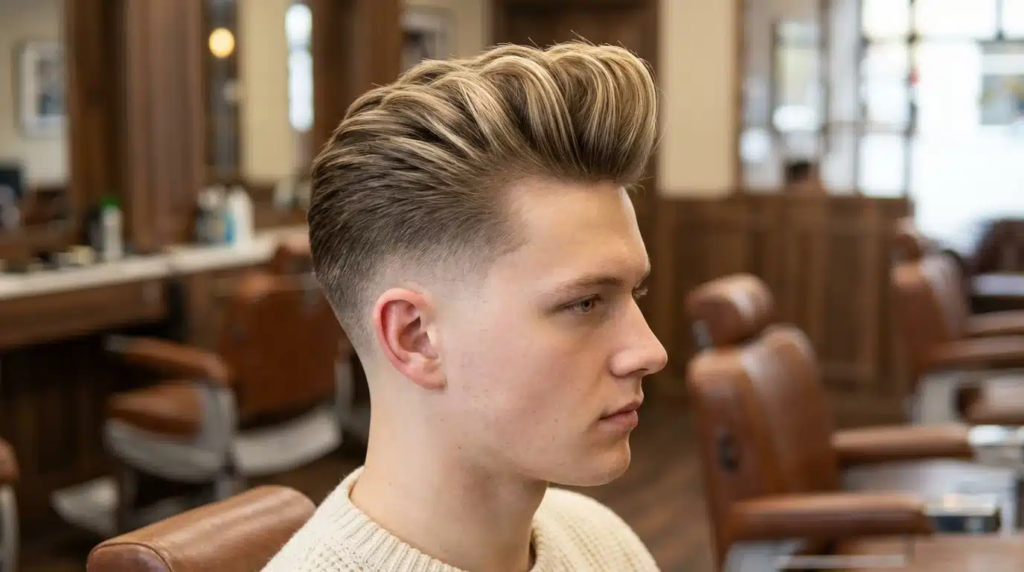
The high taper haircut has become more than just a grooming choice; it is now part of global fashion culture. Its popularity has been heavily influenced by social media platforms where barbers showcase detailed fade transformations and creative styling techniques. This exposure has made the haircut a trend among younger generations.
Celebrities and athletes have also played a major role in its rise. Many public figures wear variations of the high taper because it offers a clean and camera-ready appearance. This visibility has helped establish the haircut as a symbol of modern style and confidence.
In today’s grooming world, the high taper represents more than aesthetics. It reflects discipline, attention to detail, and personal style. Its continued evolution shows that it is not a passing trend but a long-term staple in men’s hairstyling culture, adapting easily to future fashion changes while maintaining its core identity.
Conclusion
The high taper haircut has established itself as one of the most reliable and stylish choices in modern men’s grooming. Its clean gradient, starting high on the head and blending smoothly into shorter sides, creates a sharp and well-structured look that works across different hair types, face shapes, High taper haircut and personal styles. This versatility is one of the main reasons it continues to stay relevant in barbering culture.
Beyond appearance, the high taper is also valued for its practicality. It is easy to maintain with regular barber visits and simple daily care, making it suitable for people with busy lifestyles who still want a fresh and polished look. Whether paired with curly hair, straight textures, or modern styled tops, it consistently delivers a balanced combination of sharpness and adaptability.
As grooming trends continue to evolve, the high taper haircut remains a strong foundation style that adapts to new fashion influences without losing its identity. It represents confidence, cleanliness, and modern style, making it a timeless choice for anyone looking to upgrade their appearance with a professional and contemporary edge.