
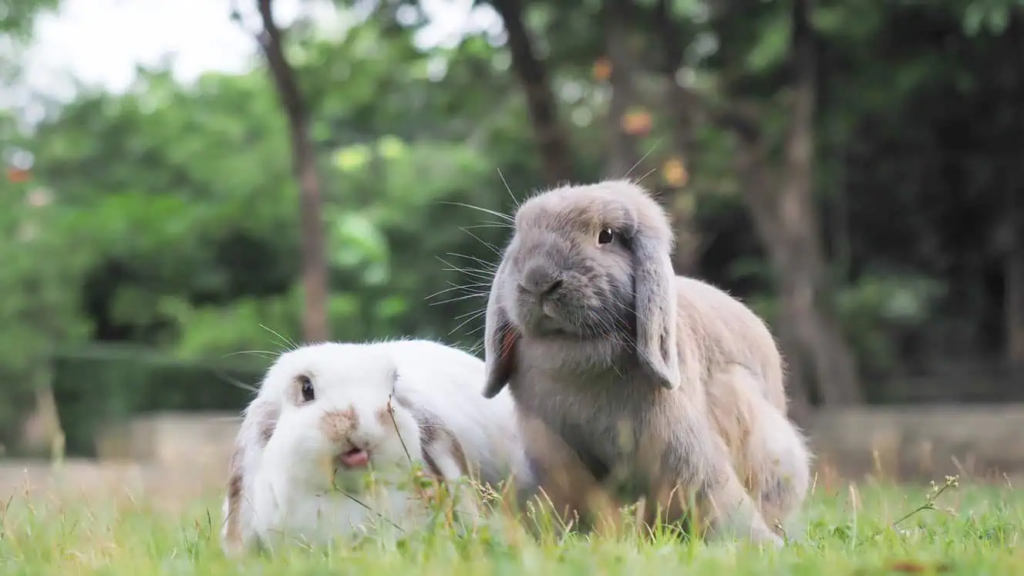

The Holland Lop is one of the most beloved rabbit breeds in the world, admired for its adorable floppy ears, compact body, playful personality, and affectionate nature. Whether you are a first-time rabbit owner or an experienced breeder, the Holland Lop consistently ranks among the top choices for companion rabbits. Its charming appearance and friendly temperament have made it a favorite in homes, rabbit shows, and breeding programs across the globe.
Originally developed in the Netherlands, the Holland Lop combines the distinctive lop ears of larger rabbit breeds with the manageable size of dwarf rabbits. Over the years, the breed has gained tremendous popularity due to its social behavior, intelligence, and suitability as a family pet. Today, many rabbit enthusiasts consider the Holland Lop to be the ideal balance of beauty, personality, and practicality.
This comprehensive guide explores everything you need to know about Holland Lop rabbits, including their history, appearance, temperament, care requirements, diet, health concerns, lifespan, and what makes them one of the most sought-after rabbit breeds in the world.
History and Origin of the Holland Lop
The Holland Lop originated in the Netherlands during the 1950s and was developed by renowned rabbit breeder Adriann de Cock. His goal was to create a smaller version of the French Lop while maintaining the characteristic drooping ears that make lop rabbits so distinctive. To achieve this, he crossed French Lops with Netherland Dwarfs and other smaller rabbit breeds over several generations.
The breeding process required years of careful selection and refinement. Early offspring did not always possess the desired characteristics, but persistence eventually produced a rabbit that combined a compact body, dwarf size, and perfectly lopped ears. By the 1960s, the breed had gained official recognition in the Netherlands.
The Holland Lop later expanded throughout Europe and eventually reached North America. In 1979, the American Rabbit Breeders Association officially recognized the breed. Since then, its popularity has grown dramatically, making it one of the most commonly owned pet rabbits and one of the most successful breeds in rabbit exhibitions worldwide.
Physical Characteristics of the Holland Lop
One of the most recognizable features of the Holland Lop is its floppy ears. Unlike upright-eared rabbit breeds, the ears hang down naturally on both sides of the head, creating the breed’s signature appearance. The ears are thick, well-furred, and positioned close to the cheeks, giving the rabbit a sweet and gentle expression.
The Holland Lop is considered a dwarf rabbit breed. Most adults weigh between two and four pounds, with an ideal show weight of approximately three pounds. Despite their small size, these rabbits possess a sturdy, muscular body with a broad chest, thick shoulders, and a rounded hindquarter. Their compact build contributes to their adorable and balanced appearance.
Another appealing feature is the wide variety of coat colors and patterns available. Holland Lops can be found in black, blue, chocolate, lilac, orange, cream, tortoise, chestnut, frosty, and many other recognized varieties. Broken patterns, shaded coats, and agouti markings further increase the diversity within the breed. Their fur is dense, soft, and glossy, making them highly attractive to rabbit enthusiasts.
Holland Lop Temperament and Personality
The Holland Lop is widely praised for its friendly and affectionate personality. Many owners describe these rabbits as curious, gentle, and highly interactive. They often enjoy spending time near their human family members and can develop strong bonds with the people who care for them.
Unlike some rabbit breeds that tend to be shy or independent, Holland Lops are known for their sociable nature. They frequently seek attention and enjoy exploring their surroundings. Their playful behavior often includes hopping around the house, investigating new objects, and interacting with toys. This natural curiosity makes them entertaining companions for both adults and children.
Individual personalities can vary depending on genetics, socialization, and environment. Some Holland Lops are energetic and adventurous, while others are calm and relaxed. However, most share a friendly disposition that contributes significantly to the breed’s popularity as a household pet.
Why the Holland Lop Is One of the Best Pet Rabbits
The Holland Lop’s popularity is not simply due to its appearance. The breed offers several qualities that make it particularly suitable as a companion animal. Its small size makes housing easier compared to larger rabbit breeds, while its affectionate nature encourages meaningful interaction with owners.
Families often appreciate the Holland Lop because it can adapt well to indoor living. When provided with proper socialization and daily attention, these rabbits can become highly affectionate pets that enjoy spending time with people. Their manageable size also makes handling easier for responsible older children and adults.
Another advantage is their intelligence. Holland Lops can learn routines, recognize their names, and respond to positive reinforcement. Many owners successfully litter train them, allowing the rabbits to roam safely in rabbit-proofed areas of the home. This combination of intelligence and sociability contributes greatly to their reputation as excellent companion animals.
Housing and Environmental Needs
Providing appropriate housing is essential for maintaining a healthy and happy Holland Lop. Although cages are commonly used as safe resting areas, rabbits require much more space than many people realize. They need opportunities to run, jump, stretch, and explore every day.
Indoor housing is generally considered the safest option. Indoor rabbits are protected from predators, extreme weather conditions, parasites, and many environmental hazards. A spacious enclosure should provide separate areas for sleeping, eating, and using a litter box. Soft bedding and clean flooring help prevent discomfort and injury.
Beyond their enclosure, Holland Lops benefit from daily exercise in a rabbit-proofed room or play area. Rabbits are naturally active animals and require mental stimulation to prevent boredom. Toys, tunnels, cardboard structures, and interactive enrichment activities encourage natural behaviors while supporting emotional well-being.
Holland Lop Diet and Nutrition
Proper nutrition forms the foundation of rabbit health. The most important component of a Holland Lop’s diet is high-quality grass hay. Timothy hay is widely recommended for adult rabbits because it provides the fiber necessary for healthy digestion and proper dental wear.
Hay should be available at all times and should make up the majority of the rabbit’s daily food intake. Rabbits have delicate digestive systems that depend on a continuous supply of fiber. Insufficient fiber can lead to serious gastrointestinal problems that may become life-threatening if not addressed promptly.
In addition to hay, Holland Lops benefit from carefully measured portions of rabbit pellets and fresh leafy greens. Vegetables such as romaine lettuce, cilantro, parsley, and bok choy can provide additional nutrients and variety. Fresh water must always be available, and sugary treats should be limited to prevent obesity and digestive disturbances.
Grooming Requirements and Routine Care
Although Holland Lops have relatively short fur compared to long-haired breeds, regular grooming remains important. Weekly brushing helps remove loose hair, reduce shedding, and maintain coat quality. During seasonal molting periods, more frequent grooming may be necessary to manage excess fur.
One of the most important aspects of rabbit care involves monitoring the ears. Because the Holland Lop’s ears hang down rather than standing upright, air circulation within the ear canal is reduced. This can increase the likelihood of wax buildup and ear infections if proper hygiene is neglected.
Routine nail trimming is another essential part of care. Overgrown nails can interfere with movement and increase the risk of injury. Owners should also monitor their rabbit’s eyes, teeth, skin, appetite, and behavior for signs of illness. Regular veterinary checkups contribute significantly to early disease detection and overall health maintenance.
Common Health Problems in Holland Lop Rabbits
Like all purebred animals, Holland Lops are susceptible to certain health conditions. Ear-related issues are among the most common concerns due to the breed’s distinctive ear structure. Reduced airflow can create an environment where infections and excessive wax accumulation develop more easily.
Dental disease is another important consideration. Rabbit teeth grow continuously throughout life and require constant wear through chewing hay and other fibrous foods. Improper tooth alignment can result in painful overgrowth, difficulty eating, and secondary health complications.
Digestive disorders also represent a significant health risk. Gastrointestinal stasis, a condition in which the digestive system slows or stops functioning properly, can become a medical emergency. Adequate fiber intake, hydration, exercise, and stress reduction play vital roles in preventing digestive problems. Obesity, respiratory infections, and parasitic infestations may also occur if proper care standards are not maintained.
Lifespan and Long-Term Ownership
A Holland Lop can be a long-term commitment. Under proper care, many individuals live between seven and ten years, while some exceed ten years of age. Advances in rabbit medicine, nutrition, and husbandry have contributed to longer life expectancies among pet rabbits.
Several factors influence longevity, including genetics, diet, exercise, housing conditions, and access to veterinary care. Rabbits that receive preventive healthcare, balanced nutrition, and consistent attention generally experience better health outcomes throughout their lives.
Potential owners should understand that rabbits require ongoing financial and time commitments. Veterinary expenses, quality food, housing equipment, grooming supplies, and enrichment items all contribute to responsible rabbit ownership. Individuals willing to provide these necessities are often rewarded with years of companionship and enjoyment.
Breeding, Rabbit Shows, and Popularity Worldwide
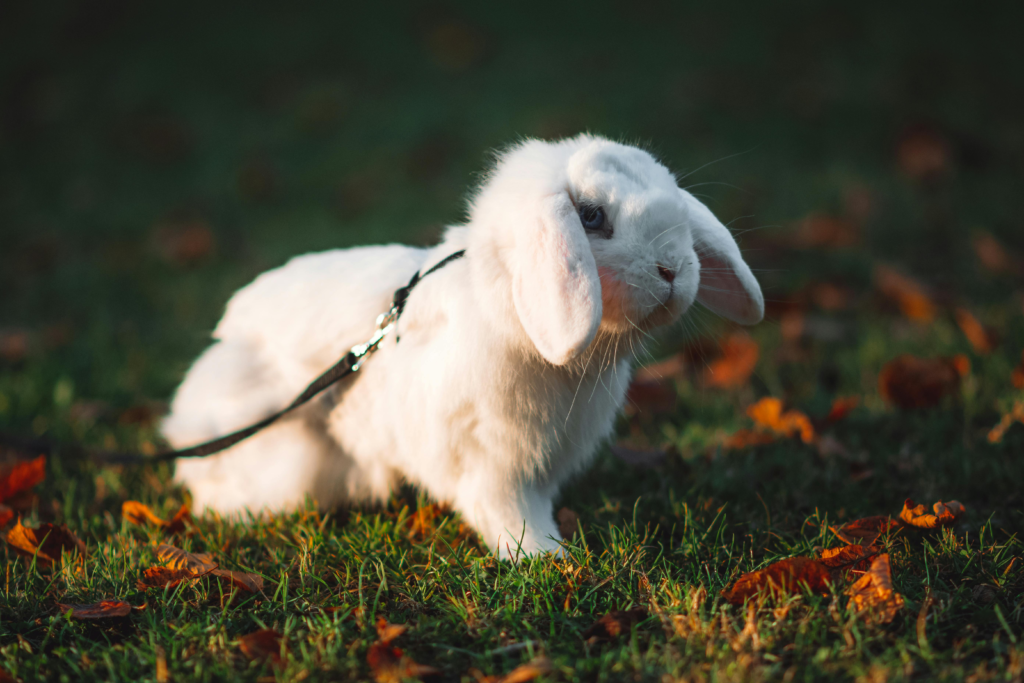
The Holland Lop remains one of the most successful breeds in competitive rabbit exhibitions. Judges evaluate rabbits based on breed standards that include body type, head shape, ear carriage, fur quality, and overall condition. High-quality Holland Lops are frequently seen winning awards at major rabbit shows.
Breeders continue to refine the breed through selective breeding programs focused on health, temperament, and conformity to established standards. Responsible breeding practices prioritize genetic diversity and overall well-being rather than appearance alone. Ethical breeders invest significant effort into producing healthy rabbits with excellent temperaments.
The breed’s popularity extends far beyond rabbit shows. Social media, educational resources, and growing awareness of rabbit companionship have introduced Holland Lops to new audiences worldwide. Their adorable appearance and engaging personalities continue to attract pet owners seeking a unique and rewarding animal companion.
Conclusion
The Holland Lop has earned its reputation as one of the world’s most popular rabbit breeds through a combination of charm, intelligence, affection, and adaptability. Its distinctive floppy ears, compact size, and friendly personality make it an excellent choice for many households. Whether admired in rabbit shows or cherished as a family pet, the breed continues to capture the hearts of rabbit enthusiasts around the globe.
However, successful ownership requires more than appreciation for their appearance. Holland Lops need proper nutrition, spacious housing, regular veterinary care, mental stimulation, and daily interaction to thrive. Understanding these needs allows owners to provide a safe and enriching environment throughout the rabbit’s life.
For individuals prepared to make a long-term commitment, the Holland Lop offers companionship, entertainment, and affection that few other small pets can match. With responsible care and attention, these remarkable rabbits can become cherished members of the family for many years.