
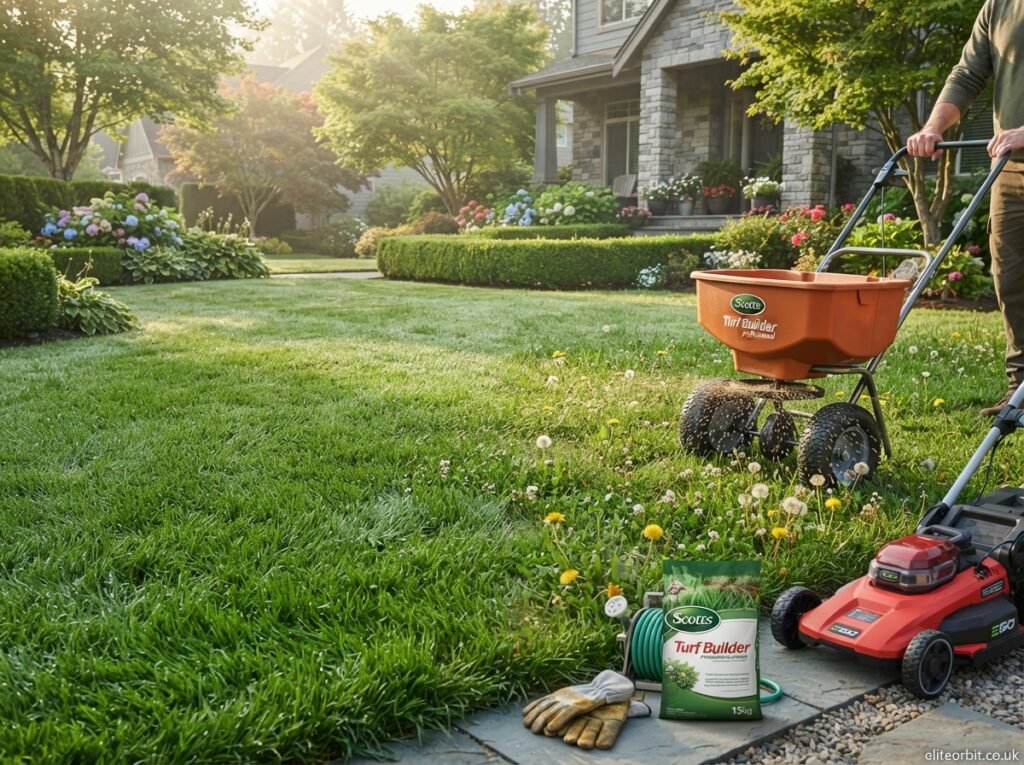

A lush, vibrant lawn is one of the most attractive features of any home. It creates a welcoming outdoor space, enhances curb appeal, and provides a comfortable place for families to relax and enjoy the outdoors. However, maintaining a beautiful lawn is not always easy. Homeowners often struggle with stubborn weeds that compete with grass for nutrients, sunlight, and water while also trying to provide the right amount of fertilizer for healthy growth. This is where weed and feed products have become one of the most popular lawn care solutions.
The term “weed and feed” refers to a lawn care product that combines fertilizer with herbicides in a single application. Instead of applying fertilizer and weed control separately, homeowners can nourish their lawns while eliminating many common broadleaf weeds at the same time. This convenient approach has made weed and feed a favorite choice among homeowners, landscapers, and lawn care professionals.
Understanding how weed and feed products work, when they should be applied, and whether they are suitable for every lawn is essential before using them. While these products offer convenience, they also require careful timing and proper application techniques to achieve the best results without damaging healthy grass or surrounding plants.
This comprehensive guide explains everything you need to know about weed and feed products, including how they work, the different types available, when to use them, their advantages and disadvantages, and the best practices for creating a greener, healthier lawn throughout the year.
What Is Weed and Feed?
Weed and feed is a combination lawn treatment designed to perform two essential lawn care tasks simultaneously. The fertilizer portion supplies nutrients that encourage grass growth, improve color, strengthen roots, and promote thicker turf. The weed control portion contains herbicides that target unwanted weeds growing within the lawn.
Instead of making multiple applications throughout the season, homeowners can save time by applying one product that performs both functions. This convenience explains why weed and feed remains one of the best-selling lawn care products in many regions.
The fertilizer component usually contains the three primary nutrients required for healthy grass growth:
Nitrogen encourages green leaf growth and overall lawn density. Phosphorus supports root development, especially in young lawns or newly seeded areas. Potassium improves stress tolerance, disease resistance, and drought endurance.
The herbicide component is formulated to eliminate common broadleaf weeds while leaving established turfgrass largely unaffected. These herbicides selectively attack weeds without significantly harming mature grass when used according to the label instructions.
Because grass and broadleaf weeds have different biological characteristics, selective herbicides can target weeds while allowing desirable lawn grasses to continue growing normally.
How Weed and Feed Works
The effectiveness of weed and feed depends on both the fertilizer and herbicide working together in complementary ways.
The fertilizer begins supplying nutrients to the grass shortly after watering or rainfall activates the granules. As the grass absorbs these nutrients, it develops stronger roots, greener blades, and improved resistance to environmental stress.
At the same time, the herbicide attacks susceptible weeds. Most weed and feed products target broadleaf weeds by entering through the leaves and disrupting their normal growth processes. Eventually, the weeds stop growing, begin curling or discoloring, and gradually die over the following days or weeks.
Healthy grass then fills the empty spaces left behind by dead weeds, producing a thicker and more attractive lawn.
The combination approach helps improve lawn density while reducing competition for water, sunlight, and nutrients.
Understanding the Different Types of Weed and Feed Products
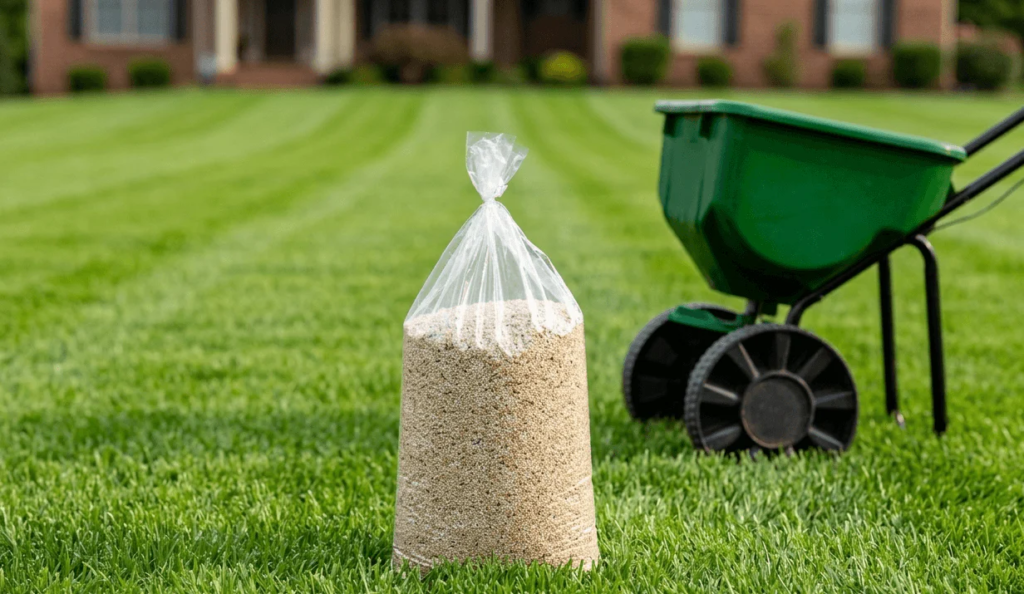
Not every weed and feed product works the same way. Different formulations are designed for specific lawn conditions, grass types, climates, and weed problems.
Granular weed and feed is the most common option. These dry pellets are spread evenly across the lawn using a broadcast or drop spreader. After application, watering activates the fertilizer portion while allowing the herbicide to begin controlling weeds. Some granular herbicides work best when applied to slightly damp grass because the particles adhere to weed leaves before dissolving.
Liquid weed and feed products are sprayed directly onto the lawn using hose-end sprayers or pump sprayers. These formulations often provide more even herbicide coverage and faster weed control. Because the spray coats weed leaves directly, liquid products may produce visible results sooner than granular alternatives.
Pre-emergent weed and feed products focus on preventing certain weeds from germinating rather than killing existing weeds. They create a protective barrier near the soil surface that stops weed seeds from developing into mature plants.
Post-emergent weed and feed products are designed to eliminate weeds that are already actively growing in the lawn. Most homeowner weed and feed products fall into this category because they target visible weeds that have already emerged.
Some premium products combine both pre-emergent and post-emergent weed control, providing broader protection throughout the growing season.
Common Weeds Controlled by Weed and Feed
Most weed and feed products are specifically designed to control broadleaf weeds rather than grassy weeds. Broadleaf weeds absorb herbicides differently than turfgrass, making selective control possible.
One of the most common targets is the dandelion. Known for its bright yellow flowers and fluffy seed heads, dandelions spread quickly and establish deep taproots that make manual removal difficult.
Clover is another weed frequently controlled by weed and feed. Although some homeowners appreciate clover for attracting pollinators, others prefer a pure grass lawn without patches of clover interrupting the uniform appearance.
Plantain weeds, both broadleaf and narrowleaf varieties, are common lawn invaders that thrive in compacted soil. Weed and feed products often provide effective control when applied during active growth.
Chickweed is another frequent target. This low-growing weed spreads rapidly during cooler seasons and can form dense mats across lawns if left untreated.
Other weeds commonly controlled include henbit, knotweed, dollarweed, spurge, oxalis, black medic, wild violet, shepherd’s purse, and creeping charlie, although effectiveness varies depending on the product and the maturity of the weeds.
Grass-like weeds such as crabgrass, goosegrass, annual bluegrass, and nutsedge usually require specialized herbicides because traditional weed and feed products often do not control them effectively.
Choosing the Right Weed and Feed for Your Lawn
Selecting the correct product depends on several important factors, including grass species, climate, existing weed problems, and seasonal timing.
Cool-season grasses such as Kentucky bluegrass, perennial ryegrass, and fescue varieties generally require products formulated specifically for northern climates. Their active growing season occurs primarily during spring and fall.
Warm-season grasses including Bermuda grass, Zoysia grass, St. Augustine grass, Bahia grass, and Centipede grass often require different herbicide formulations because certain chemicals tolerated by cool-season grasses may injure warm-season species.
Reading the product label carefully helps ensure compatibility with your specific grass type.
Homeowners should also identify the weeds growing in their lawns before purchasing weed and feed. Different herbicides control different weed species, so selecting the appropriate formula greatly improves treatment success.
Soil conditions also influence fertilizer selection. Lawns with nutrient deficiencies may benefit from higher nitrogen formulations, while established lawns often require balanced nutrient blends that promote long-term health without excessive growth.
When Is the Best Time to Apply Weed and Feed?
Timing plays a major role in determining whether weed and feed produces excellent results or disappointing performance.
For most lawns, spring is considered the ideal application season. During spring, both grass and weeds begin actively growing after winter dormancy. Actively growing weeds absorb herbicides more efficiently, making treatments significantly more effective.
Applying weed and feed too early may result in poor weed control because weeds have not yet emerged or started active growth. Waiting too long can allow weeds to mature, making them harder to eliminate.
Many homeowners choose a second application during early fall, particularly in regions with cool-season grasses. Autumn provides favorable growing conditions, moderate temperatures, and reduced weed competition, allowing lawns to recover from summer stress while preparing for winter.
Applications should generally avoid periods of drought, extreme heat, heavy rainfall, or frozen ground because these conditions reduce effectiveness and may stress the lawn.
Weather forecasts should also be considered before treatment. Heavy rain immediately after application may wash away herbicides before they have sufficient time to work, while strong winds can cause uneven distribution or drift onto desirable landscape plants.
Preparing Your Lawn Before Application
Proper preparation significantly improves the performance of weed and feed products.
The lawn should be mowed several days before application rather than immediately beforehand. Slightly taller weeds provide more leaf surface for herbicide absorption, increasing weed control effectiveness.
If using granular weed and feed that requires moist foliage, applying the product to grass dampened by morning dew or light irrigation helps granules adhere to weed leaves.
However, excessively wet lawns should be avoided because heavy moisture can cause uneven product distribution.
Removing leaves, sticks, toys, and debris before application ensures the spreader distributes granules evenly across the entire lawn.
Checking the weather forecast beforehand also reduces the risk of rainfall interfering with treatment.
Using a properly calibrated spreader helps prevent overapplication, missed areas, and lawn damage while ensuring uniform nutrient distribution across the entire yard.
How to Apply Weed and Feed Correctly
Applying weed and feed properly is just as important as choosing the right product. Even the highest-quality lawn treatment may produce disappointing results if it is spread unevenly or applied under unsuitable conditions. Following the manufacturer’s instructions and paying attention to weather conditions, lawn moisture, and application timing can significantly improve both weed control and grass growth.
Before beginning, calculate the square footage of your lawn so you know exactly how much product is required. Overapplying fertilizer can burn the grass, while using too little may leave weeds untreated and prevent the lawn from receiving adequate nutrients. Most product labels include recommended application rates based on lawn size, making it easier to achieve even coverage.
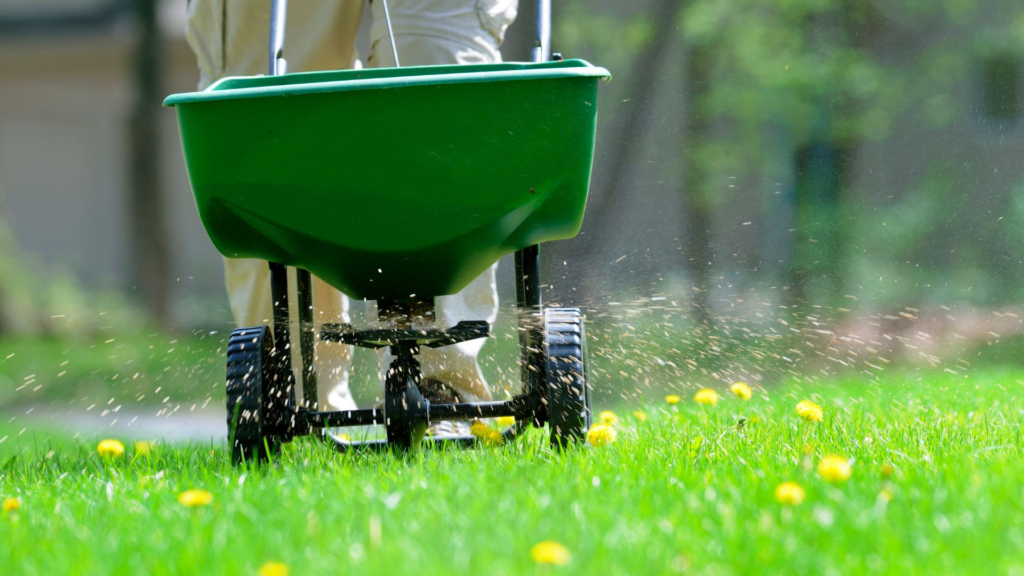
Broadcast spreaders are ideal for covering large lawns efficiently, while drop spreaders provide greater precision around flower beds, sidewalks, driveways, and landscape borders. Regardless of the spreader type, walking at a steady pace helps distribute the product evenly. Many homeowners prefer applying half the recommended amount in one direction and the remaining half at a right angle to the first pass. This cross-pattern reduces streaking and minimizes missed areas.
Avoid applying weed and feed on windy days because granules or spray droplets may drift into gardens, vegetable beds, shrubs, or ornamental flowers that are sensitive to herbicides. Likewise, postpone treatment if heavy rainfall is expected within the next day unless the product specifically recommends watering immediately after application.
Watering After Applying Weed and Feed
Watering requirements vary depending on the formulation of the weed and feed product. Some granular products require the grass to be slightly damp before application so that the herbicide sticks to weed leaves. After remaining on the foliage for several hours, watering activates the fertilizer and moves nutrients into the soil.
Other formulations instruct users to water immediately after application because moisture dissolves the fertilizer granules and helps nutrients reach the root zone. Liquid products, however, often require a rain-free period so the herbicide has enough time to penetrate weed leaves before irrigation or rainfall occurs.
Understanding these differences is essential because incorrect watering can reduce herbicide effectiveness. Washing herbicides off the leaves too soon may prevent weeds from absorbing enough active ingredient, leading to poor results and the need for additional treatments.
Deep, infrequent watering in the weeks following application generally encourages stronger root development than frequent shallow irrigation. Healthy roots improve drought tolerance and help grass compete naturally against future weed growth.
How Long Does Weed and Feed Take to Work?
Patience is important after applying weed and feed because visible results usually appear gradually rather than overnight. Fertilizer begins supplying nutrients relatively quickly, often resulting in greener grass within one to two weeks, depending on temperature, moisture, and grass species.
Weed control follows a different timeline. Sensitive weeds may begin curling, yellowing, or wilting within several days, while tougher perennial weeds can take several weeks to die completely. Some deep-rooted weeds require repeat applications according to product instructions for complete control.
The speed of results depends on several factors, including the type of herbicide used, the maturity of the weeds, seasonal temperatures, and whether the weeds were actively growing at the time of application. Warm weather combined with actively growing weeds generally produces faster and more effective control than cool or dormant conditions.
Even after weeds die, the lawn may not immediately appear perfect. Bare spots left behind should gradually fill in as healthy grass spreads and thickens. In some cases, overseeding may be beneficial once it is safe to do so according to the herbicide’s waiting period.
Benefits of Using Weed and Feed
One of the biggest advantages of weed and feed products is convenience. Combining fertilizer and weed control into a single application saves time and reduces the number of lawn care tasks homeowners need to complete during the growing season. This simplicity makes lawn maintenance more manageable for busy households.
Another major benefit is improved lawn density. By eliminating weeds while supplying nutrients to the grass, weed and feed encourages thicker turf that naturally resists future weed invasion. Dense grass shades the soil surface, making it more difficult for weed seeds to germinate and establish themselves.
Healthy lawns also use water more efficiently. Strong root systems allow grass to tolerate periods of drought better than weak or nutrient-deficient turf. Improved root development can reduce stress during hot summer months and help lawns recover more quickly after heavy foot traffic.
Many homeowners also appreciate the visual improvements that follow proper treatment. A greener, fuller lawn enhances curb appeal and creates a more inviting outdoor environment for recreation, entertaining, and family activities.
Using one product instead of multiple separate treatments may also reduce storage requirements and simplify seasonal lawn care planning.
Potential Drawbacks of Weed and Feed
Despite its convenience, weed and feed is not the ideal solution for every lawn. One of the primary limitations is that fertilizer and weed control may not always be needed at the same time. Grass may benefit from fertilizer during one part of the season while weeds require treatment at another, making separate applications more precise.
Some lawns have very few weeds but still require fertilization. In these situations, applying herbicides unnecessarily exposes the environment to chemicals that may not provide any meaningful benefit.
Similarly, lawns with isolated weed patches may be better managed through targeted spot treatments rather than broadcasting herbicides across the entire yard.
Another concern involves newly seeded lawns. Most weed and feed products should not be applied immediately before or after seeding because herbicides may interfere with grass seed germination. Young grass seedlings are also more sensitive to herbicide injury than established turf.
Homeowners with flower gardens, vegetable gardens, or nearby ornamental plants should exercise extra caution because herbicide drift can damage desirable vegetation.
Pets and children may also require temporary restrictions following application until the product has dried or been watered into the soil according to label instructions.
Weed and Feed for Different Grass Types
Not every lawn grass responds the same way to weed and feed. Understanding your grass species helps prevent accidental injury while maximizing treatment effectiveness.
Cool-season grasses such as tall fescue, fine fescue, perennial ryegrass, and Kentucky bluegrass generally thrive in northern climates with cooler temperatures. These grasses often benefit from spring and fall applications when growth is most active.
Warm-season grasses including Bermuda grass, Zoysia grass, Bahia grass, Centipede grass, and St. Augustine grass grow most vigorously during late spring and summer. Some herbicides that are safe for cool-season grasses may damage warm-season varieties, especially during periods of stress.
Centipede grass and St. Augustine grass are particularly sensitive to certain herbicide ingredients. Using products specifically labeled for these grasses reduces the risk of discoloration, thinning, or long-term injury.
Whenever uncertainty exists, consulting the product label before application is one of the simplest ways to avoid unnecessary lawn damage.
Common Mistakes to Avoid
Many lawn care problems result from simple application errors rather than poor-quality products. One of the most common mistakes is applying weed and feed at the wrong time of year. Dormant weeds absorb very little herbicide, while dormant grass may not effectively utilize fertilizer.
Overapplication is another frequent issue. More product does not necessarily produce better results. Excess fertilizer can burn grass, encourage excessive leaf growth, and increase nutrient runoff into nearby waterways.
Applying weed and feed during extreme heat can also stress the lawn. High temperatures combined with herbicide activity may increase the likelihood of temporary discoloration or injury, particularly if the grass is already suffering from drought.
Skipping calibration of the spreader often leads to uneven distribution. Some areas may receive too much product while others receive almost none, creating visible stripes of healthy and unhealthy grass.
Many homeowners mow immediately after application, reducing herbicide contact time with weed leaves. Waiting until the recommended mowing interval has passed allows weeds to absorb the herbicide more effectively.
Ignoring product labels is perhaps the biggest mistake of all. Different formulations have unique instructions regarding watering, mowing, reseeding, and reapplication intervals. Following those directions greatly increases the likelihood of success.
Weed and Feed vs. Separate Fertilizer and Weed Control
Many experienced lawn enthusiasts debate whether combination products are better than applying fertilizer and herbicides separately. The answer depends largely on lawn conditions and maintenance goals.
Weed and feed offers unmatched convenience for homeowners who prefer a straightforward lawn care routine. One application can address multiple needs, reducing both time and effort throughout the growing season.
Separate applications, however, provide greater flexibility. Fertilizer can be applied according to the lawn’s nutritional needs, while herbicides can be used only when weeds are actually present. This targeted approach often reduces unnecessary chemical use and allows more customized lawn care.
Professional lawn care companies frequently choose separate treatments because they can tailor each application to weather conditions, weed pressure, soil fertility, and seasonal growth patterns. However, for many homeowners with average lawns, weed and feed remains an effective and practical option when used responsibly.
Seasonal Lawn Care Tips When Using Weed and Feed
A healthy lawn requires attention throughout the year rather than a single treatment. Weed and feed can be an important part of a lawn care program, but it performs best when combined with proper mowing, watering, soil management, and seasonal maintenance.
During spring, homeowners should begin by removing leaves, branches, and winter debris. This is also an excellent time to inspect the lawn for bare patches, compacted soil, and early weed growth. Applying weed and feed during the recommended spring window allows the fertilizer to encourage vigorous grass growth while herbicides control many actively growing broadleaf weeds.
Summer lawn care shifts toward maintaining healthy turf under heat stress. Grass should be watered deeply rather than frequently to encourage deeper root systems. Mowing height should also be slightly increased because taller grass shades the soil, conserves moisture, and naturally suppresses weed germination. Unless specifically recommended for your grass type and climate, avoid applying weed and feed during periods of extreme heat, as both fertilizer and herbicides may place additional stress on the lawn.
Autumn is often considered one of the most beneficial seasons for lawn improvement. Cooler temperatures and increased moisture encourage root development, making fall an ideal time for fertilization and, where appropriate, a second weed and feed application. Many perennial weeds are actively transporting nutrients to their roots during autumn, allowing herbicides to move more effectively throughout the plant.
Winter lawn care is generally focused on protecting dormant grass. Avoid unnecessary foot traffic on frozen or waterlogged turf, clean and store lawn equipment properly, and begin planning your lawn care schedule for the following growing season.
A consistent year-round routine helps maximize the benefits of weed and feed while promoting long-term lawn health.
Alternatives to Weed and Feed
Although weed and feed is convenient, it is not the only method available for maintaining a healthy lawn. Many homeowners combine different lawn care strategies depending on their goals, environmental concerns, and the condition of their yard.
Applying fertilizer and herbicides separately offers greater flexibility because each treatment can be timed according to the lawn’s specific needs. Fertilizer can be applied when grass requires nutrients, while weed control can be limited to periods of active weed growth.
Spot treatment is another effective alternative, particularly for lawns with only a few isolated weeds. Rather than applying herbicides across the entire lawn, homeowners can treat individual weeds directly, reducing overall chemical use while preserving healthy turf.
Manual weed removal remains a practical option for small lawns or gardens with minimal weed infestations. Removing weeds before they flower and produce seeds can gradually reduce future weed populations, although deep-rooted species may require repeated removal.
Improving overall lawn health naturally reduces weed problems as well. Thick, healthy grass competes successfully for sunlight, nutrients, water, and growing space, leaving fewer opportunities for weeds to establish themselves. Practices such as proper mowing, soil aeration, overseeding thin areas, and maintaining balanced soil fertility contribute significantly to natural weed suppression.
Some homeowners also choose organic lawn care products that focus on soil improvement and natural nutrient sources. While these products generally do not provide the same immediate weed control as conventional herbicides, they can support healthy turf over time when combined with good cultural practices.
Environmental Considerations
Responsible lawn care involves considering both the appearance of the lawn and its impact on the surrounding environment. Weed and feed products should always be used carefully to minimize unnecessary exposure to nearby plants, wildlife, and water sources.
Applying products only at the recommended rate helps reduce fertilizer runoff into storm drains, ponds, rivers, and lakes. Excess nutrients entering waterways may contribute to algae growth and reduced water quality.
Avoid spreading granules onto sidewalks, driveways, or streets. Any product that lands on hard surfaces should be swept back onto the lawn instead of being washed away with a hose. This simple practice helps keep fertilizers where they belong while reducing environmental contamination.
Maintaining buffer zones around vegetable gardens, flower beds, and ornamental shrubs is equally important. Many herbicides designed for lawns can damage desirable broadleaf plants if accidental drift or direct contact occurs.
Weather conditions should also be monitored before application. Strong winds increase the risk of herbicide drift, while heavy rainfall shortly after treatment may wash nutrients away before they are absorbed into the soil.
Using weed and feed only when necessary rather than as a routine habit can also reduce unnecessary chemical use while encouraging more sustainable lawn care practices.
Storage and Safety Tips
Proper storage protects both the product and household members. Weed and feed should always remain in its original container with the label intact so application instructions and safety information remain available whenever needed.
Store products in a cool, dry location away from direct sunlight and excessive moisture. Damp conditions may cause granular products to clump together, reducing their effectiveness and making even application more difficult.
Keep lawn care products out of reach of children and pets. Although many modern products are designed for residential use, they should never be treated as harmless household items.
When applying weed and feed, wearing gloves, closed-toe shoes, long sleeves, and eye protection can help reduce skin and eye contact. Wash hands thoroughly after handling the product, and launder clothing if significant exposure occurs during application.
Pets and children should generally remain off treated lawns until the product has dried or been watered into the soil according to the manufacturer’s directions. Following these precautions allows homeowners to enjoy the benefits of weed and feed while maintaining a safe outdoor environment.
Troubleshooting Common Lawn Problems
Even after applying weed and feed correctly, homeowners may occasionally encounter lawn problems that require additional attention.
If weeds survive treatment, they may not be susceptible to the herbicide used, or they may have been too mature at the time of application. Some perennial weeds naturally require multiple treatments before complete control is achieved.
Yellow patches in the lawn may indicate fertilizer burn caused by overapplication or uneven distribution. Watering thoroughly after noticing fertilizer burn may help reduce further damage, although severely affected grass may require reseeding or repair.
Thin grass following weed removal is another common concern. Once weeds die, empty spaces become visible where grass previously struggled to compete. Overseeding at the appropriate time of year can help restore a dense, uniform lawn after the herbicide waiting period has passed.
Persistent weed infestations often signal underlying lawn health issues. Compacted soil, poor drainage, inadequate fertilization, improper mowing height, or insufficient sunlight may all contribute to recurring weed problems. Addressing these underlying conditions frequently provides longer-lasting improvements than relying solely on herbicides.
If grass remains pale despite fertilization, a soil test may reveal nutrient deficiencies or pH imbalances that limit nutrient availability. Correcting soil conditions often improves fertilizer performance and overall lawn health.
Is Weed and Feed Worth It?
For many homeowners, weed and feed offers an effective balance between convenience and lawn improvement. It simplifies lawn maintenance by combining two important tasks into a single application while helping produce greener grass and reducing common broadleaf weeds.
However, the product is not a universal solution for every lawn. Success depends on selecting the correct formulation, applying it at the appropriate time, following label instructions carefully, and combining it with sound lawn care practices throughout the year.
Homeowners seeking a low-maintenance approach often appreciate the convenience of weed and feed, while those aiming for highly customized lawn care may prefer applying fertilizers and herbicides separately. Neither approach is inherently superior; the best choice depends on lawn size, grass type, weed pressure, climate, and personal preferences.
Ultimately, the healthiest lawns are built through consistent maintenance rather than any single product. Proper mowing, irrigation, soil care, seasonal fertilization, and timely weed management work together to create thick, resilient turf that naturally resists many future weed problems.
When used responsibly and as part of a comprehensive lawn care plan, weed and feed can be a valuable tool for achieving a greener, healthier, and more attractive lawn throughout the growing season.
Conclusion
Weed and feed continues to be one of the most popular lawn care products because it combines fertilization and weed control into one convenient application. When used correctly, it can improve lawn color, encourage dense grass growth, strengthen root systems, and eliminate many of the broadleaf weeds that reduce a lawn’s appearance and health. Its convenience makes it especially appealing for homeowners who want an efficient way to maintain an attractive yard without performing multiple separate treatments.
Despite its benefits, weed and feed is most effective when it is only one part of a complete lawn care strategy. Proper mowing, consistent watering, healthy soil, seasonal maintenance, and careful product selection all contribute to long-term success. Understanding your grass type, identifying the weeds present, and applying the product at the right time of year greatly improve results while minimizing unnecessary chemical use.
Whether you are caring for a small residential lawn or a larger landscape, taking a thoughtful approach to lawn maintenance will produce healthier grass that naturally resists weeds, pests, and environmental stress. With patience, proper application, and regular care, weed and feed can help create the lush, green lawn that many homeowners strive to achieve year after year.
Frequently Asked Questions
Can weed and feed kill all weeds?
No. Most weed and feed products are designed to control broadleaf weeds such as dandelions, clover, chickweed, and plantain. Grassy weeds like crabgrass and nutsedge often require specialized herbicides.
How often should weed and feed be applied?
Most lawns benefit from one or two applications per year, depending on the product, climate, grass type, and weed pressure. Always follow the manufacturer’s application schedule.
Can I seed my lawn after using weed and feed?
Many weed and feed products require waiting several weeks before overseeding because herbicides may interfere with grass seed germination. Check the product label for the recommended waiting period.
Is weed and feed safe for pets?
Generally, pets should stay off treated lawns until the product has dried or has been watered into the soil according to the label instructions. Following these guidelines helps reduce unnecessary exposure.
Should I mow before applying weed and feed?
Yes. Mowing several days before application is usually recommended. Avoid mowing immediately before or after treatment so weeds have enough leaf surface to absorb the herbicide effectively.
Does weed and feed work in every season?
Spring and early fall are generally the best times to apply weed and feed because grass and many weeds are actively growing. Applications during extreme heat, drought, or freezing conditions are usually less effective.